James Baldwin wrote, “A society must assume that it is stable, but the artist must know, and he must let us know, that there is nothing stable under heaven.”
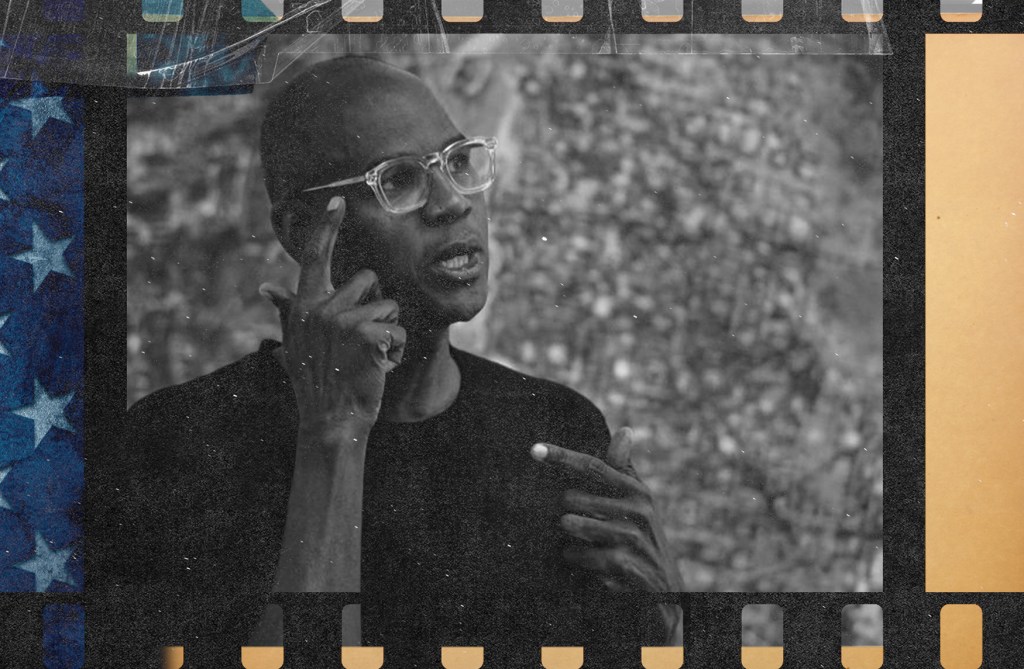
I’ve often returned to that idea because it speaks to the role art can play in disrupting certainty. We all construct stories about who we are, where we come from, and what our institutions, communities, and histories represent. Given enough time, some of those stories can harden into fact; others can get left behind. I look at my practice as a process of excavation: to probe those assumptions, unearth what has been obscured, and reveal the tensions, omissions, and contradictions they contain.
When we talk about representation, I think it is important to move beyond the idea of simply making people visible. Visibility is essential, but culture is not something handed down from on high. It is something we author. It is a living thing, shaped and reshaped by the people moving through it. The stories we tell about ourselves are constantly being revised, challenged, and expanded.
Art can play a role in that process. It can surface histories that have been buried, draw connections across experiences, and create space for perspectives that have been overlooked. But the object itself is only one part of the work. What matters just as much is creating opportunities for people to see themselves as participants rather than spectators.
For me, art becomes most meaningful when it reminds us that the story is still being written and that more people have a right to shape its direction.
“Culture is not something handed down from on high. It is something we author. It is a living thing, shaped and reshaped by the people moving through it.”
Mark Bradford
Additional Of The People Voices
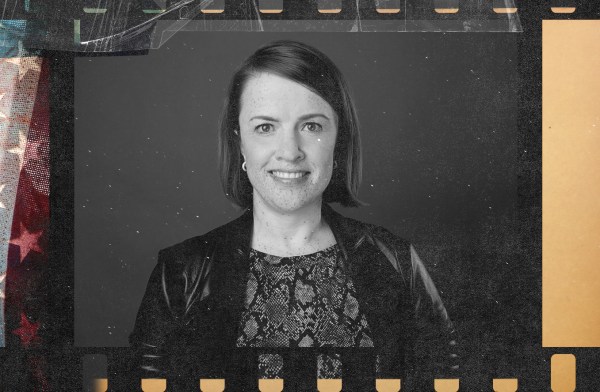
Rebecca Cokley
Rebecca Cokley, director of Ford’s U.S. Disability Rights program, argues that democracy is truly of the people when it is accessible by all. The Americans With Disabilities Act promises disabled Americans the right to full participation and equality.
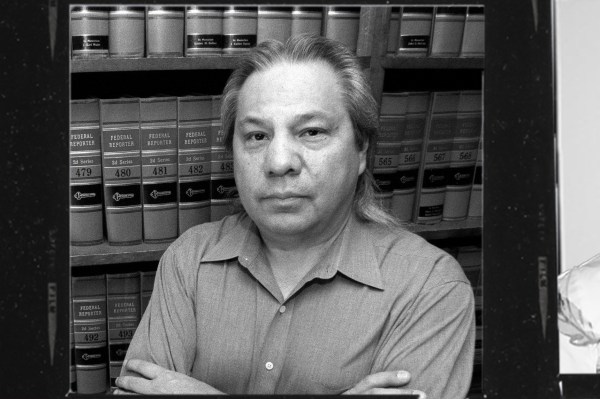
John Echohawk
Native American Rights Fund executive director John Echohawk reflects on the necessity of recognizing Tribal sovereignty and Indigenous history in America’s story.
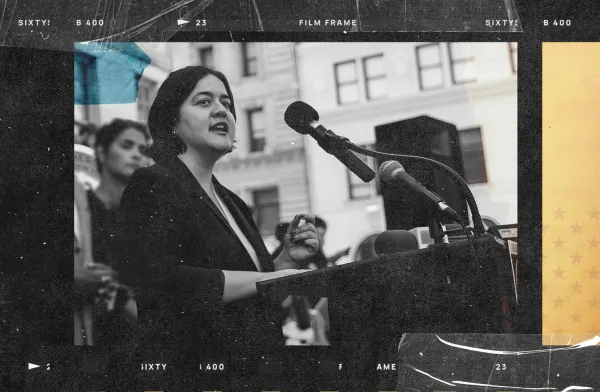
Marielena Hincapié
Marielena Hincapié, nationally recognized legal strategist and American immigration movement builder, reflects on democracy as a collective obligation, where the opportunity to thrive and belong is available to all.
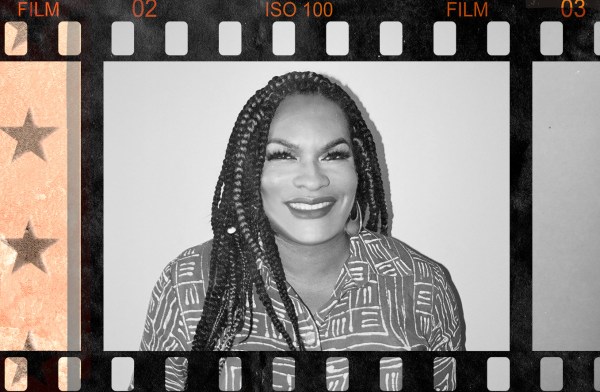
Imara Jones
Imara Jones, journalist and CEO of TransLash Media, reflects on the power of narratives, a free press, and the necessity of including trans voices in America’s story.
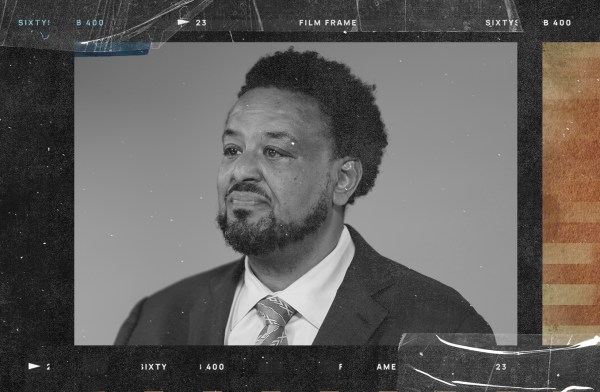
Amaha Kassa
Amaha Kassa, executive director of African Communities Together, explores how democracy relies on our collective ability to care for and govern one another, arguing that real progress begins at the grassroots level, not in the halls of power.
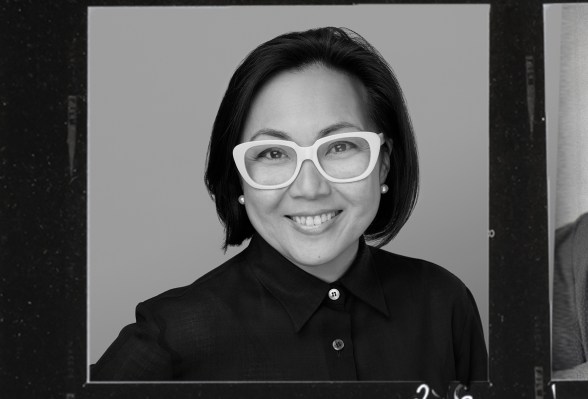
Lisa Kim
Lisa Kim, Ford gallery director, reflects on art as a vehicle for connection and celebration, one that allows us to acknowledge, challenge, and embrace America’s complex history.
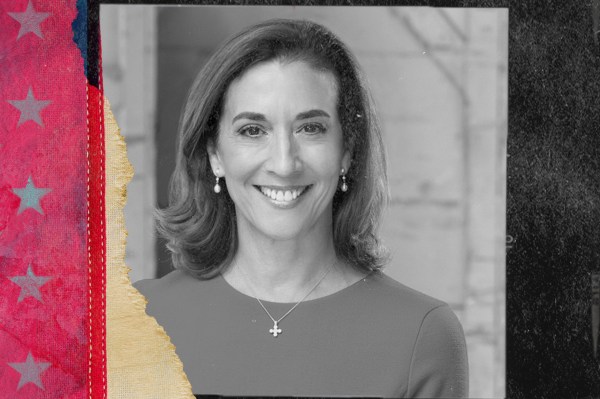
Lourdes Lopez
Lourdes Lopez, artist and Ford Foundation trustee, reflects on the role of art in upholding America’s democratic infrastructure and the need to protect performing arts.
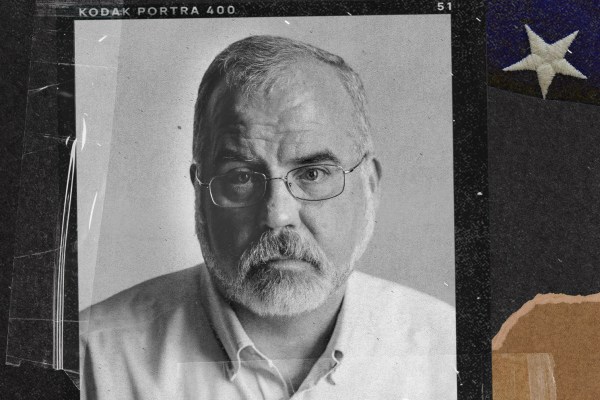
Ken Ward
Ken Ward, Mountain State Spotlight’s editor-in-chief, reflects on the important role that local journalism plays in centering and uplifting community voices.