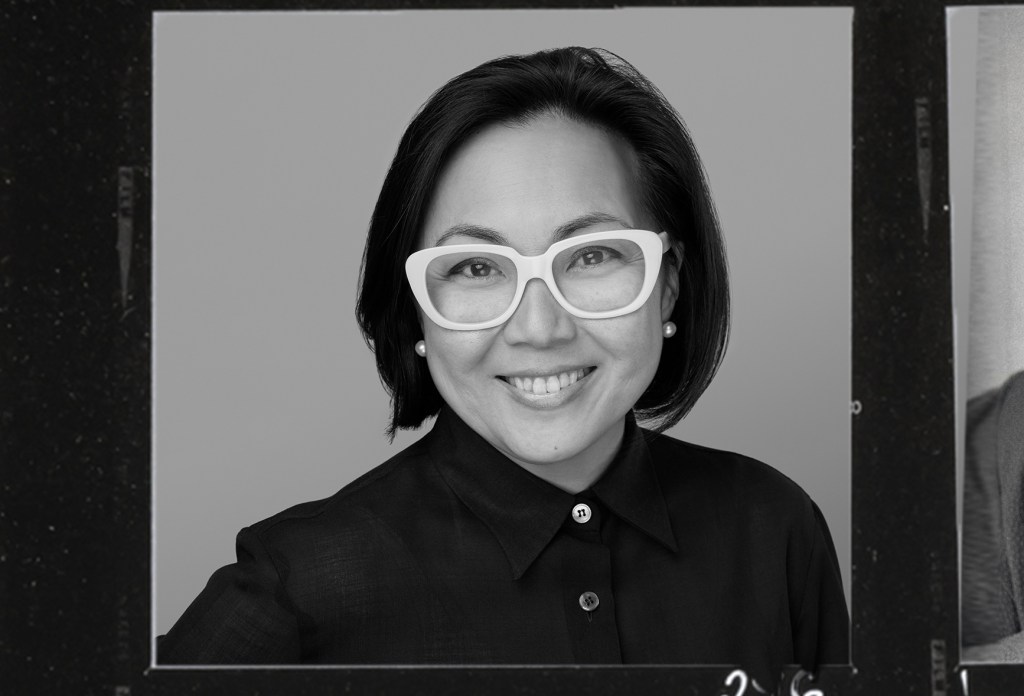
By its very definition, the foundation of our democracy is the representation of “the people”: generations of immigrants who settled on native lands and collectively built a new nation. What makes our country so unique, so whole—so beautiful—is the diversity of voices, cultures, and knowledge that have contributed to this democracy across 250 years.
When we learn about the lived experience of our fellow Americans, and attempt to see through their eyes, we find human connection and empathy. When we come to understand the struggles, the pain, the accomplishments, and the triumphs of those around us, we cry with them and we cheer with them. And art is the vehicle through which we share that human connection.
Art is how we communicate across language, religion, history, and ideology. Through art, we recite the stories of our ancestors; sing and dance to the rhythms of our forebearers; weave, stitch, and wear the rainbow of colors and symbols of our distant lands; taste seasonings and spices carried across oceans, each ingredient enhancing the last. We share these recipes and traditions through all the forms of art that we witness or make.
As we celebrate our young nation at 250, let us learn from our messy, flawed, but glorious and vibrant history. And let us forge ahead, continuing to share our stories, songs, and creativity—our art—for another 250 years and beyond.
“When we come to understand the struggles, the pain, the accomplishments, and the triumphs of those around us, we cry with them and we cheer with them. And art is the vehicle through which we share that human connection.”
Lisa Kim
Additional Of The People Voices
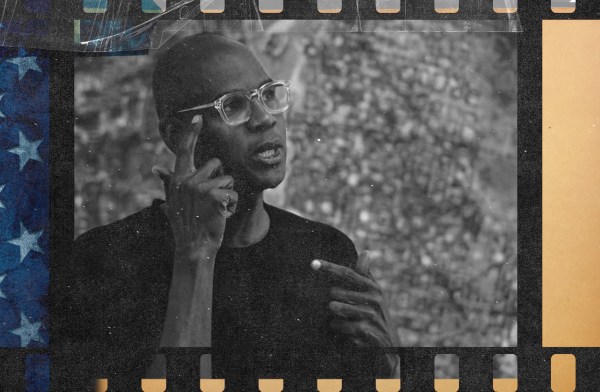
Mark Bradford
Mark Bradford, visual artist and Ford Foundation trustee, reflects on the role of art as a tool to excavate hidden histories, challenge narratives, and expand what we see as representation.
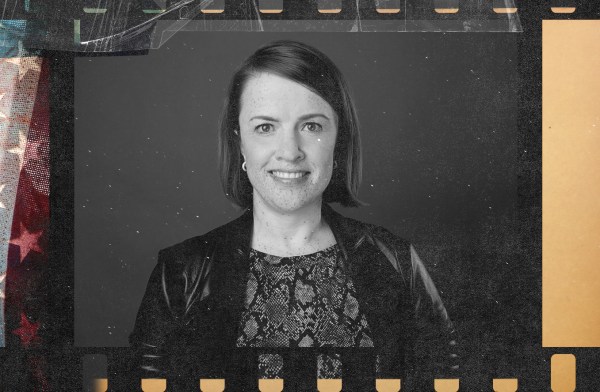
Rebecca Cokley
Rebecca Cokley, director of Ford’s U.S. Disability Rights program, argues that democracy is truly of the people when it is accessible by all. The Americans With Disabilities Act promises disabled Americans the right to full participation and equality.
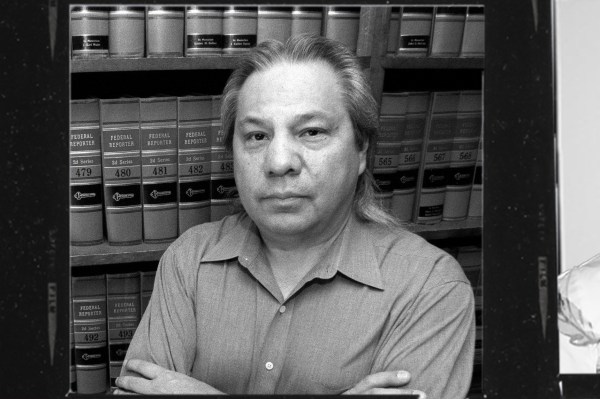
John Echohawk
Native American Rights Fund executive director John Echohawk reflects on the necessity of recognizing Tribal sovereignty and Indigenous history in America’s story.
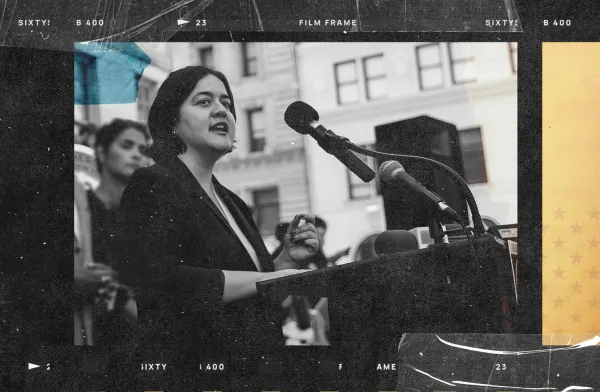
Marielena Hincapié
Marielena Hincapié, nationally recognized legal strategist and American immigration movement builder, reflects on democracy as a collective obligation, where the opportunity to thrive and belong is available to all.
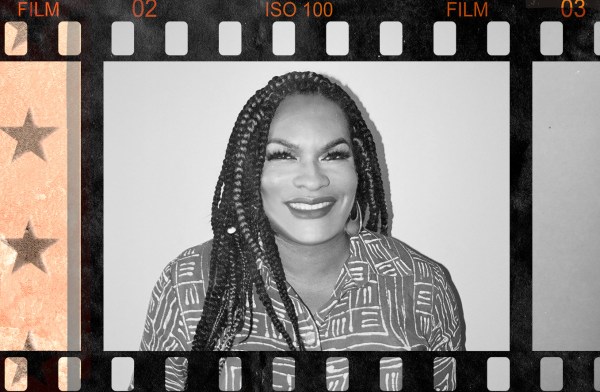
Imara Jones
Imara Jones, journalist and CEO of TransLash Media, reflects on the power of narratives, a free press, and the necessity of including trans voices in America’s story.
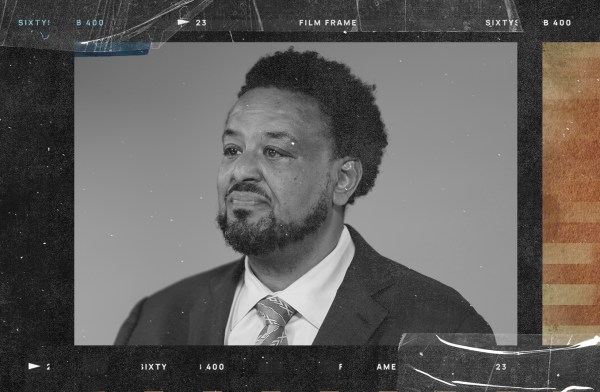
Amaha Kassa
Amaha Kassa, executive director of African Communities Together, explores how democracy relies on our collective ability to care for and govern one another, arguing that real progress begins at the grassroots level, not in the halls of power.
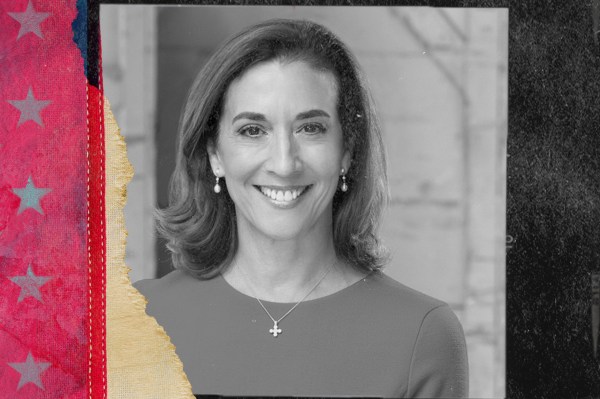
Lourdes Lopez
Lourdes Lopez, artist and Ford Foundation trustee, reflects on the role of art in upholding America’s democratic infrastructure and the need to protect performing arts.
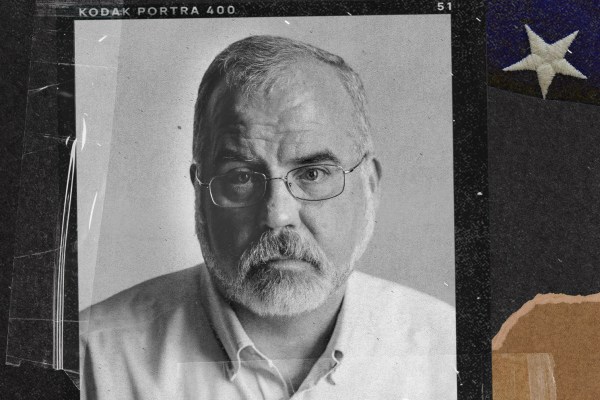
Ken Ward
Ken Ward, Mountain State Spotlight’s editor-in-chief, reflects on the important role that local journalism plays in centering and uplifting community voices.