Transcript
Transcript begins.
Democracy is a belief in the capacity of regular people to govern ourselves, to care for each other, and together to make a good life and a good place for all of us to thrive in. And it can be discouraging, in this cultural and political moment, to think that that’s possible if we’re only looking up at the heights of power.
But it’s a different story if we look down and if we look across, if we look at the communities, the neighbors, the community-based institutions and organizations; and how we are caring for each other, how neighbors are protecting each other and wrapping their arms around each other, and how people are coming up at the grassroots level with really innovative ways of relating to each other.
And that is at its heart what democracy is. It’s an experiment in, “How do we live together?” And I think one thing that’s important as a leader of an African immigrant organization is the idea that we never know where the next great democratic innovation is going to come from.
The next idea for how we live together, how we care for each other, how we solve our conflicts without them becoming crises—we never know who or where those solutions are going to come from. And in a way, it’s an experiment that everyone in this country and everyone in the world is engaged in together at the same time.
[The Ford Foundation logo is stacked in a bold black serif font, then transforms into a single letter “F” set inside a black circle.]
End of transcript.
Accessibility Statement
- All videos produced by the Ford Foundation since 2020 include captions and downloadable transcripts. For videos where visuals require additional understanding, we offer audio-described versions.
- We are continuing to make videos produced prior to 2020 accessible.
- Videos from third-party sources (those not produced by the Ford Foundation) may not have captions, accessible transcripts, or audio descriptions.
- To improve accessibility beyond our site, we’ve created a free video accessibility WordPress plug-in.
“And that is, at its heart, what democracy is. It’s an experiment in, ‘How do we live together?’”
Amaha Kassa
Additional Of The People Voices
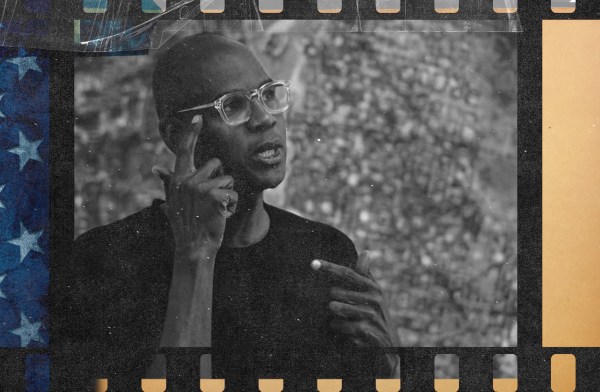
Mark Bradford
Mark Bradford, visual artist and Ford Foundation trustee, reflects on the role of art as a tool to excavate hidden histories, challenge narratives, and expand what we see as representation.
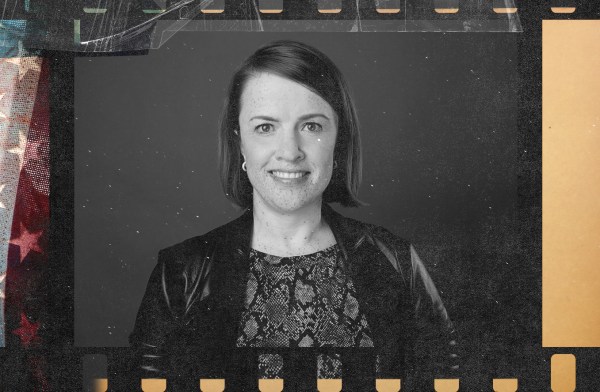
Rebecca Cokley
Rebecca Cokley, director of Ford’s U.S. Disability Rights program, argues that democracy is truly of the people when it is accessible by all. The Americans With Disabilities Act promises disabled Americans the right to full participation and equality.
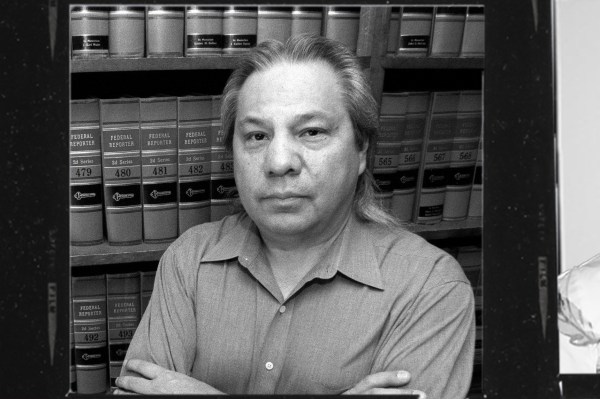
John Echohawk
Native American Rights Fund executive director John Echohawk reflects on the necessity of recognizing Tribal sovereignty and Indigenous history in America’s story.
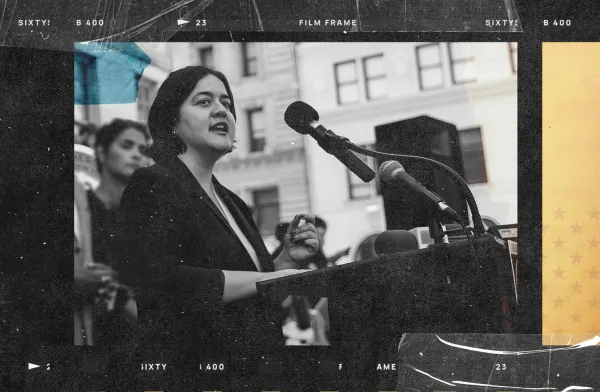
Marielena Hincapié
Marielena Hincapié, nationally recognized legal strategist and American immigration movement builder, reflects on democracy as a collective obligation, where the opportunity to thrive and belong is available to all.
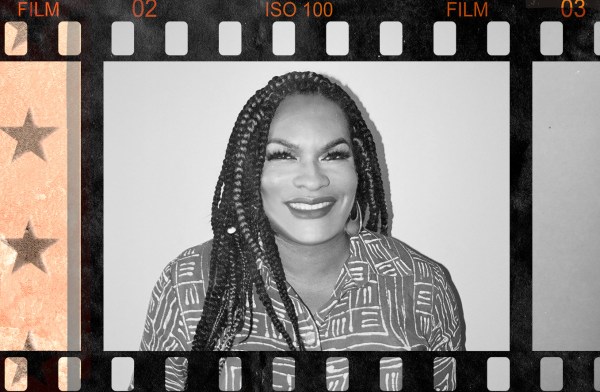
Imara Jones
Imara Jones, journalist and CEO of TransLash Media, reflects on the power of narratives, a free press, and the necessity of including trans voices in America’s story.
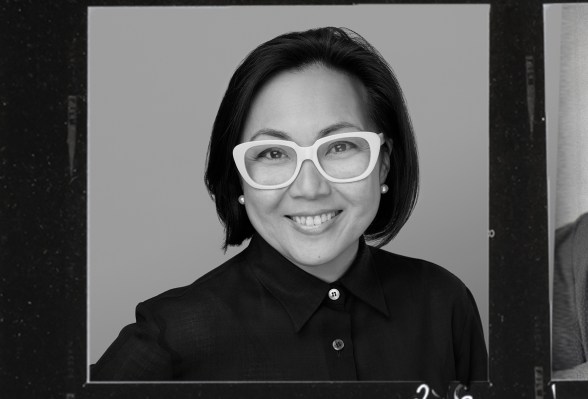
Lisa Kim
Lisa Kim, Ford gallery director, reflects on art as a vehicle for connection and celebration, one that allows us to acknowledge, challenge, and embrace America’s complex history.
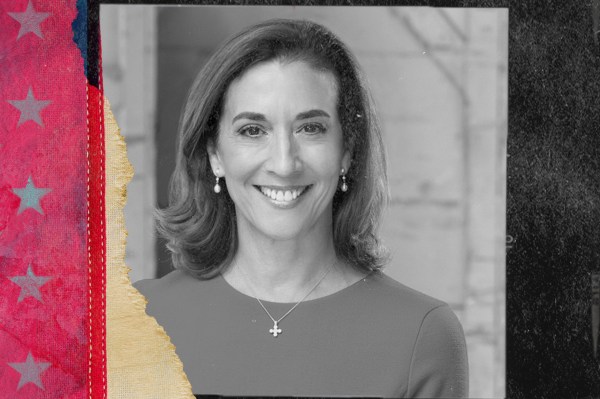
Lourdes Lopez
Lourdes Lopez, artist and Ford Foundation trustee, reflects on the role of art in upholding America’s democratic infrastructure and the need to protect performing arts.
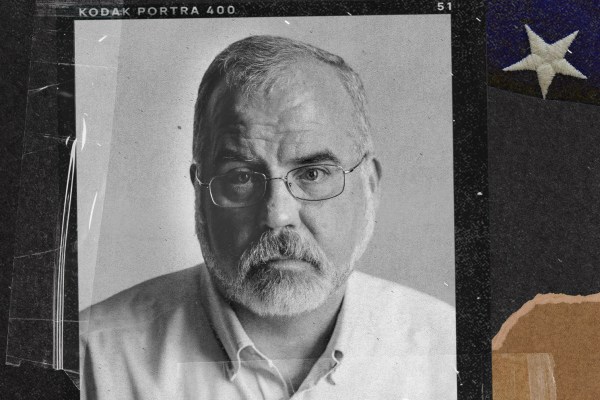
Ken Ward
Ken Ward, Mountain State Spotlight’s editor-in-chief, reflects on the important role that local journalism plays in centering and uplifting community voices.