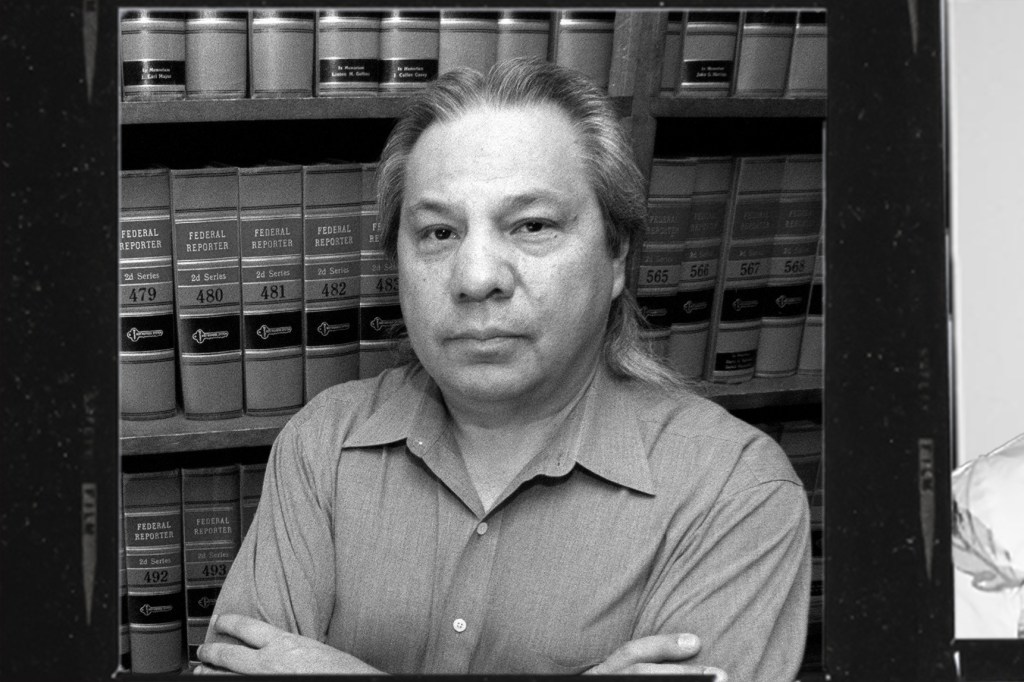
The recognition of Tribal sovereignty and Indigenous history redefines what it means to be “of the people.” The Ford Foundation helped the Native American Rights Fund do this when they became our first funder when we started in 1970. At that time, Native Americans were being forced to assimilate, relocate to the cities, have their tribes terminated and their treaty rights ignored by federal policy. Through the legal representation provided by the Native American Rights Fund to the poorest of the poor in America at that time, we helped change federal policy to the recognition of treaty rights, Tribal sovereignty, and Tribal self-determination, which had been the law pursuant to the Constitution and federal law since 1787 until the termination policy started in the 1950s.
Native Americans have been “of the people” here on this continent since time immemorial. They were here when the first Europeans set foot on this land in 1492. Europeans came to realize that the tribes were composed of different nations and began to make treaties with them to resolve conflicts and establish relationships. It was this treaty-making process with the tribes that was recognized and included in the Constitution in 1787 and implemented by federal law until the policy of terminating tribes and ignoring Tribal treaties began in the 1950s. The legal representation provided by the Native American Rights Fund helped to change that, beginning in 1970, and this continues today. The shared identity of Native Americans as Americans should allow us to thrive together for the next 250 years.
“The shared identity of Native Americans as Americans should allow us to thrive together for the next 250 years.”
John Echohawk
Additional Of The People Voices
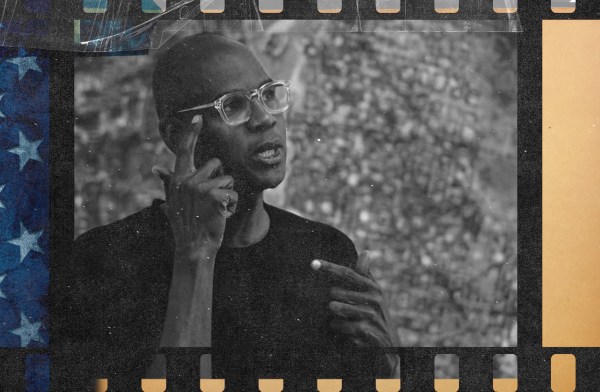
Mark Bradford
Mark Bradford, visual artist and Ford Foundation trustee, reflects on the role of art as a tool to excavate hidden histories, challenge narratives, and expand what we see as representation.
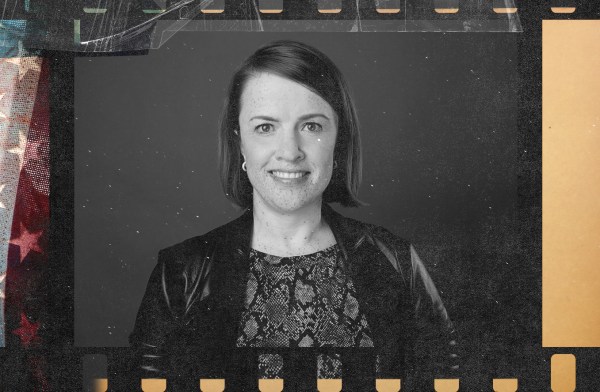
Rebecca Cokley
Rebecca Cokley, director of Ford’s U.S. Disability Rights program, argues that democracy is truly of the people when it is accessible by all. The Americans With Disabilities Act promises disabled Americans the right to full participation and equality.
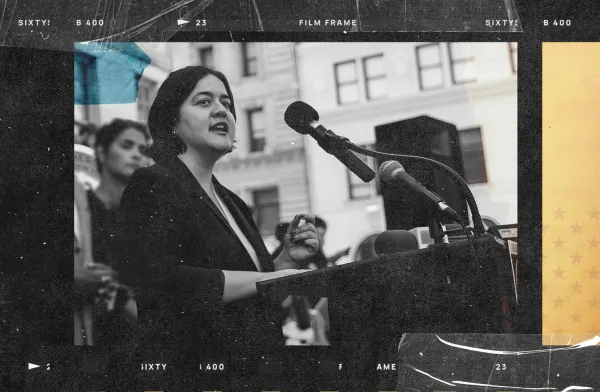
Marielena Hincapié
Marielena Hincapié, nationally recognized legal strategist and American immigration movement builder, reflects on democracy as a collective obligation, where the opportunity to thrive and belong is available to all.
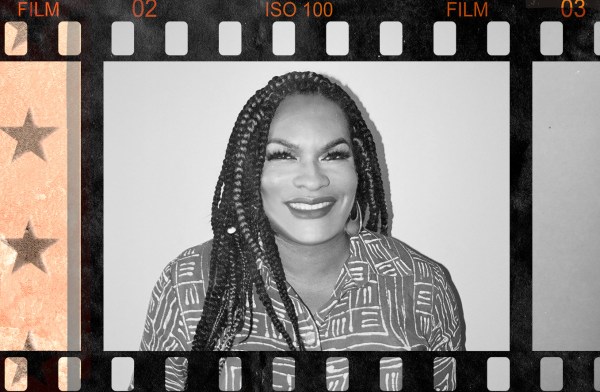
Imara Jones
Imara Jones, journalist and CEO of TransLash Media, reflects on the power of narratives, a free press, and the necessity of including trans voices in America’s story.
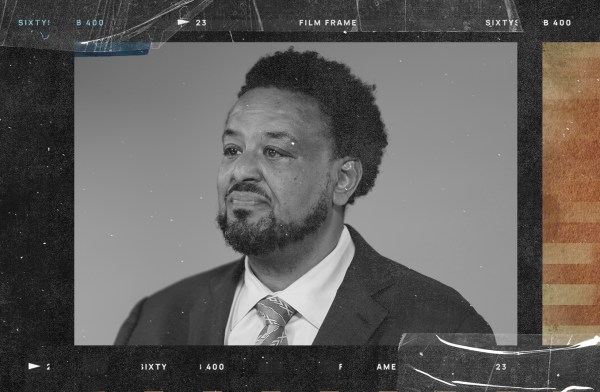
Amaha Kassa
Amaha Kassa, executive director of African Communities Together, explores how democracy relies on our collective ability to care for and govern one another, arguing that real progress begins at the grassroots level, not in the halls of power.

Lisa Kim
Lisa Kim, Ford gallery director, reflects on art as a vehicle for connection and celebration, one that allows us to acknowledge, challenge, and embrace America’s complex history.
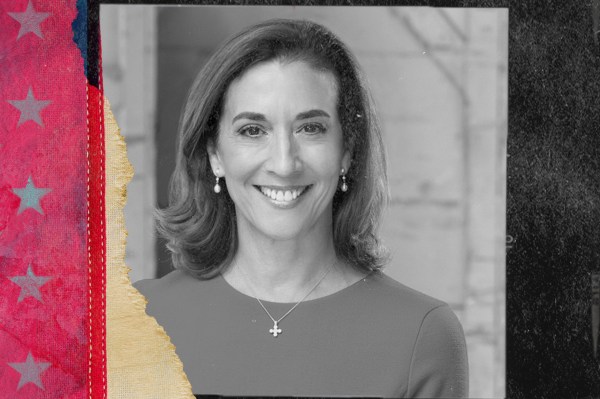
Lourdes Lopez
Lourdes Lopez, artist and Ford Foundation trustee, reflects on the role of art in upholding America’s democratic infrastructure and the need to protect performing arts.
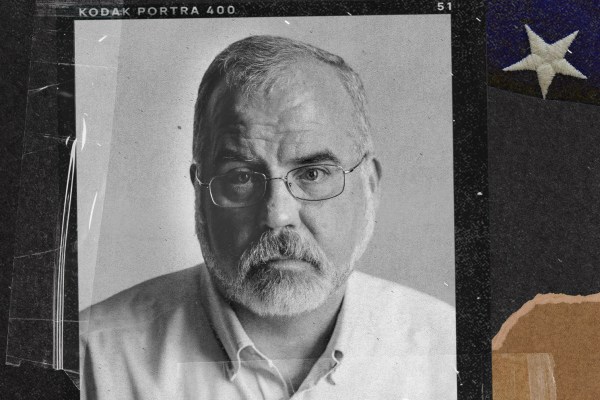
Ken Ward
Ken Ward, Mountain State Spotlight’s editor-in-chief, reflects on the important role that local journalism plays in centering and uplifting community voices.