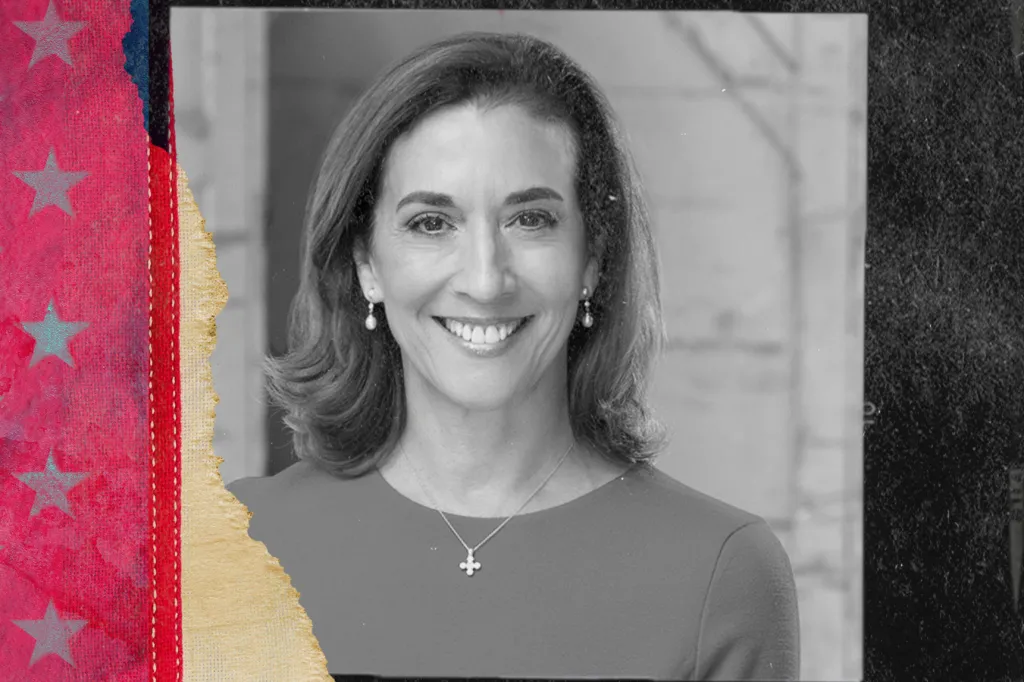
Democracy, from the Greek demos (people) and kratos (rule), is a deceptively simple idea. It depends entirely on the free exchange of story, expression, and disagreement to function. The arts live in that space. I know this not as theory but as lived truth. For more than 50 years, I have lived inside the performing arts. In that time, I have watched a single performance change the temperature of a room, shift something in an audience, open a mind, soften a certainty that no policy paper ever could. A dancer’s body, a singer’s voice, a musician’s phrasing: These are tools that communicate grief, joy, protest, and belonging in a language every person already speaks. Artists don’t just reflect the human condition; they remind us we share one.
A democratic society has a profound responsibility to protect fundamental human rights, honoring every unique piece within humanity’s mosaic. The arts belong at the center of that protection, for they bring that mosaic to life. A democracy that treats artists and culture as decoration eventually forgets how to see and hear itself, losing sight of art’s greatest lesson: that what unites us is more powerful than what divides us. We lose the rare gift of sitting across a great divide and feeling, freely, part of something larger than ourselves. The next 250 years require a deliberate choice to treat the performing arts as democratic infrastructure: not a luxury, not an amenity, but a right to be protected. Only then will the arts truly be “of the people, by the people, and for the people,” belonging to all.
“A dancer’s body, a singer’s voice, a musician’s phrasing: These are tools that communicate grief, joy, protest, and belonging in a language every person already speaks. Artists don’t just reflect the human condition; they remind us we share one.”
Lourdes Lopez
Additional Of The People Voices
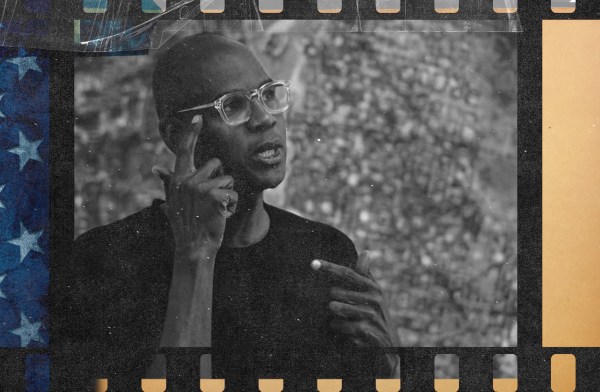
Mark Bradford
Mark Bradford, visual artist and Ford Foundation trustee, reflects on the role of art as a tool to excavate hidden histories, challenge narratives, and expand what we see as representation.
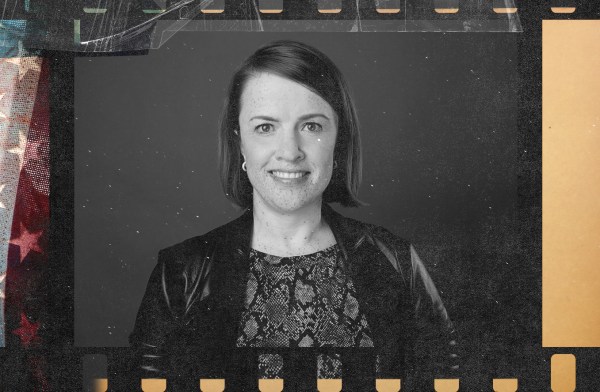
Rebecca Cokley
Rebecca Cokley, director of Ford’s U.S. Disability Rights program, argues that democracy is truly of the people when it is accessible by all. The Americans With Disabilities Act promises disabled Americans the right to full participation and equality.
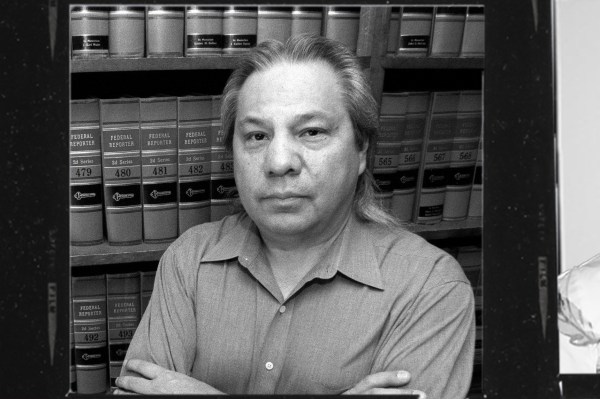
John Echohawk
Native American Rights Fund executive director John Echohawk reflects on the necessity of recognizing Tribal sovereignty and Indigenous history in America’s story.
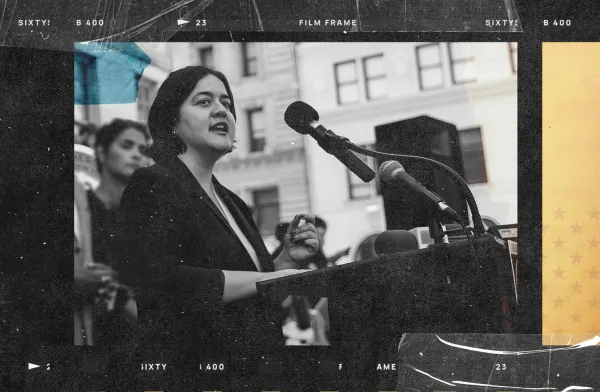
Marielena Hincapié
Marielena Hincapié, nationally recognized legal strategist and American immigration movement builder, reflects on democracy as a collective obligation, where the opportunity to thrive and belong is available to all.
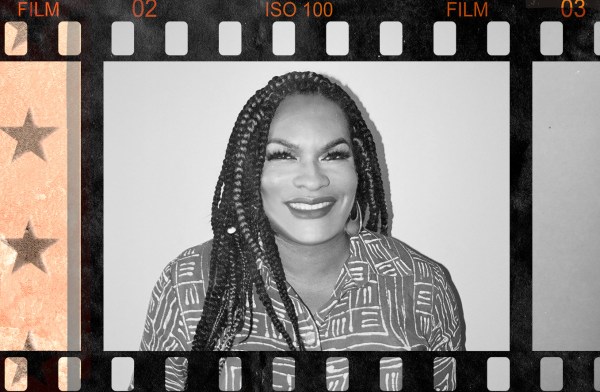
Imara Jones
Imara Jones, journalist and CEO of TransLash Media, reflects on the power of narratives, a free press, and the necessity of including trans voices in America’s story.
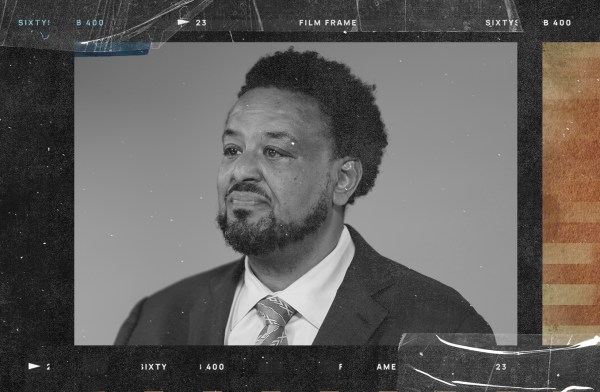
Amaha Kassa
Amaha Kassa, executive director of African Communities Together, explores how democracy relies on our collective ability to care for and govern one another, arguing that real progress begins at the grassroots level, not in the halls of power.
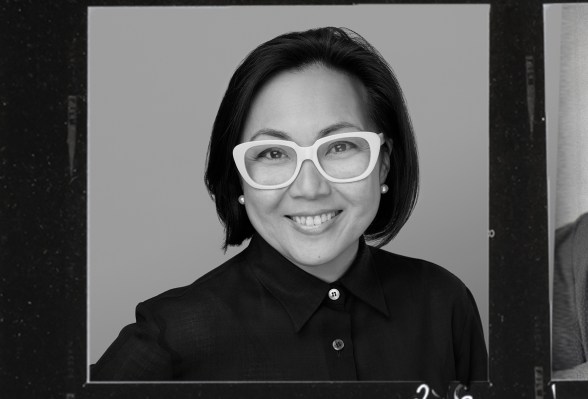
Lisa Kim
Lisa Kim, Ford gallery director, reflects on art as a vehicle for connection and celebration, one that allows us to acknowledge, challenge, and embrace America’s complex history.
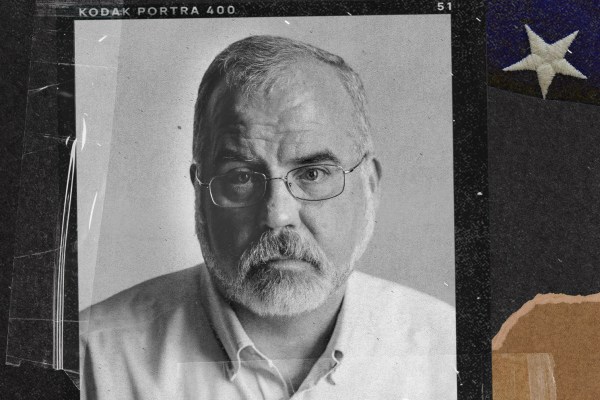
Ken Ward
Ken Ward, Mountain State Spotlight’s editor-in-chief, reflects on the important role that local journalism plays in centering and uplifting community voices.