Telling the American story accurately has always been a challenge. That’s because America’s narrative is not always an easy one to unfurl.
The struggle is that the United States of America has been a paradox since its inception in 1776. It is the nation that declared that all men were created equal, yet began as a slave republic. It said that rights were inalienable, yet refused to give all women the vote until 1965. The Constitutional Congress was heavily influenced by Native American democratic ideals, specifically those of the Iroquois Confederacy, yet systematically undermined Indigenous communities for generations.
But America can fulfill its promise of human freedom for all when it embraces narratives which help us confront these hard truths. That is why journalism is the only profession written into the U.S. Constitution. A free press is essential to a free society.
As the nation celebrates its 250th anniversary, a glaring, modern paradox that we must confront is the treatment of transgender Americans. Inspired by Abraham Lincoln’s call for a government by and for all the people, the Constitution was amended to guarantee equal protection under the law—yet the reality of this protection eludes trans Americans.
In half the states, at least one aspect of trans life is either banned or criminalized. The federal government has issued a number of executive orders which deny the existence of trans people, and there are 800 anti-trans bills under consideration nationwide in 2026 alone.
But the trans narrative in modern America is more complicated and nuanced. Transgender people now serve at all levels of elected office, including in the United States Congress. Transgender lawyers from across the country are members of the Bar of the Supreme Court and have argued in landmark constitutional cases such as Bostock v. Clayton County and The United States v. Skrmetti. And trans people are creating vibrant arts and culture, symbolized by the Tony Awards win of Qween Jean, who is the first trans woman to garner that award.
Uplifting narratives which center the power and humanity of trans people are essential to creating a more open future in which everyone can thrive. Telling them accurately shows what type of nation we can be, when we honor the nation’s highest ideals. That’s why journalism remains a powerful tool to resolve America’s paradoxes. It allows the nation to spotlight its unfinished business and the individuals doing the work.
As America turns 250, it’s fully possible to resolve the issues which undermine the precepts of liberty. Realizing the promise of the American Revolution means that we must embrace the actual stories of all Americans, including those who are trans.
“Uplifting narratives which center the power and humanity of trans people are essential to creating a more open future in which everyone can thrive. Telling them accurately shows what type of nation we can be, when we honor the nation’s highest ideals.”
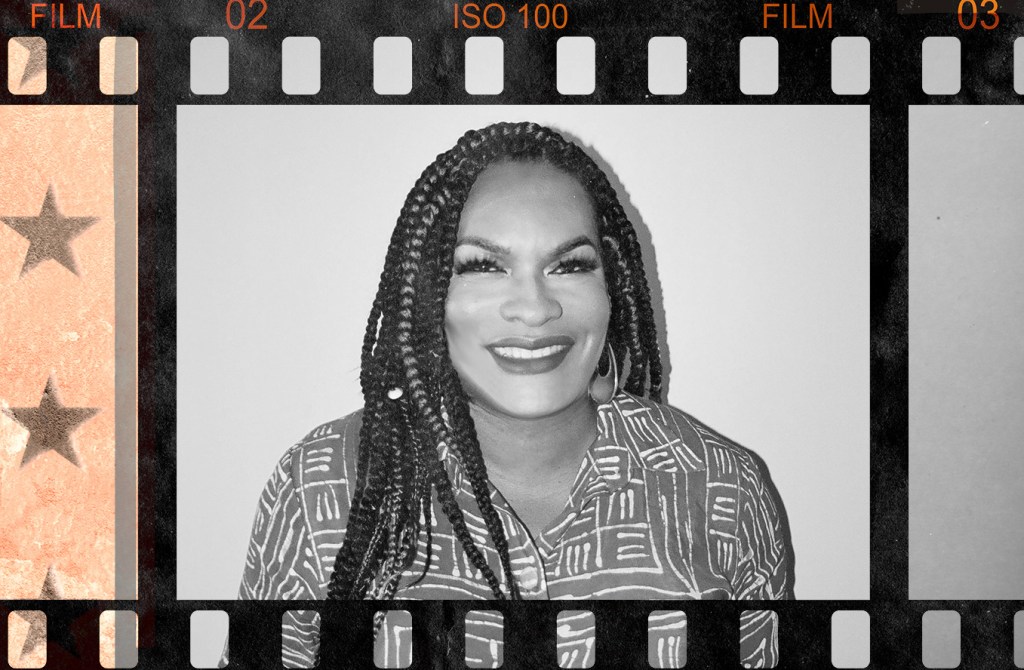
Imara Jones
Additional Of The People Voices
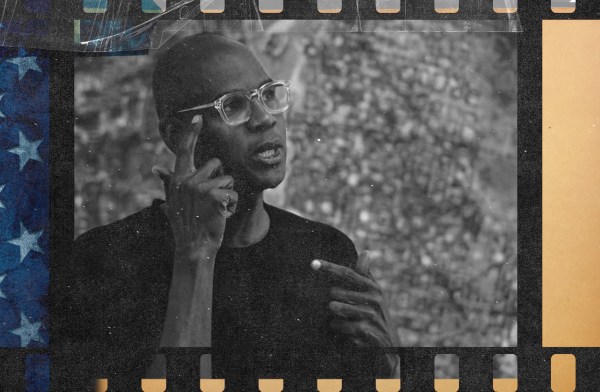
Mark Bradford
Mark Bradford, visual artist and Ford Foundation trustee, reflects on the role of art as a tool to excavate hidden histories, challenge narratives, and expand what we see as representation.
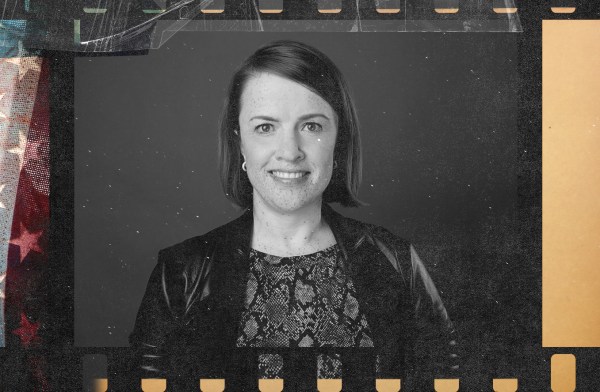
Rebecca Cokley
Rebecca Cokley, director of Ford’s U.S. Disability Rights program, argues that democracy is truly of the people when it is accessible by all. The Americans With Disabilities Act promises disabled Americans the right to full participation and equality.
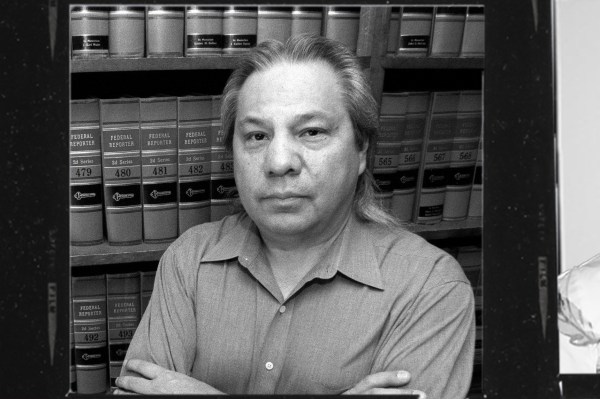
John Echohawk
Native American Rights Fund executive director John Echohawk reflects on the necessity of recognizing Tribal sovereignty and Indigenous history in America’s story.
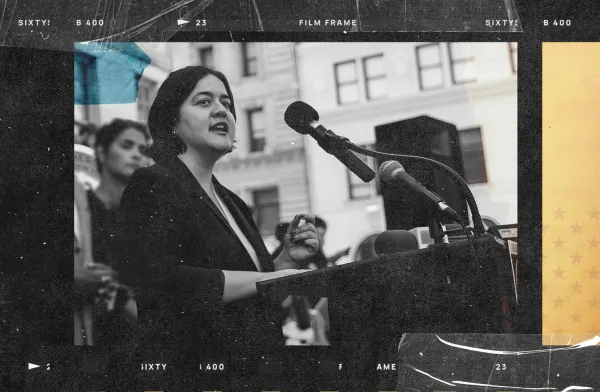
Marielena Hincapié
Marielena Hincapié, nationally recognized legal strategist and American immigration movement builder, reflects on democracy as a collective obligation, where the opportunity to thrive and belong is available to all.
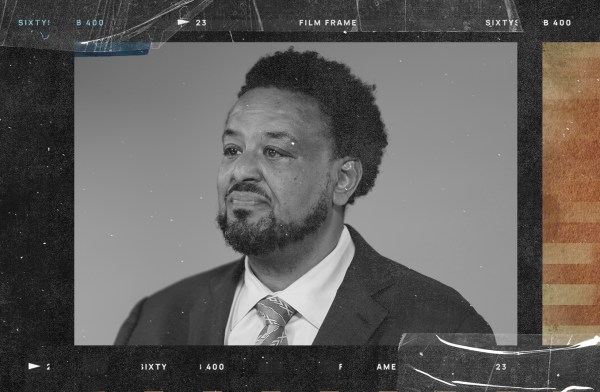
Amaha Kassa
Amaha Kassa, executive director of African Communities Together, explores how democracy relies on our collective ability to care for and govern one another, arguing that real progress begins at the grassroots level, not in the halls of power.
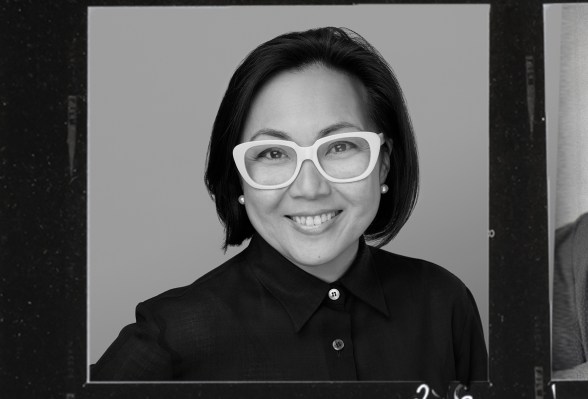
Lisa Kim
Lisa Kim, Ford gallery director, reflects on art as a vehicle for connection and celebration, one that allows us to acknowledge, challenge, and embrace America’s complex history.
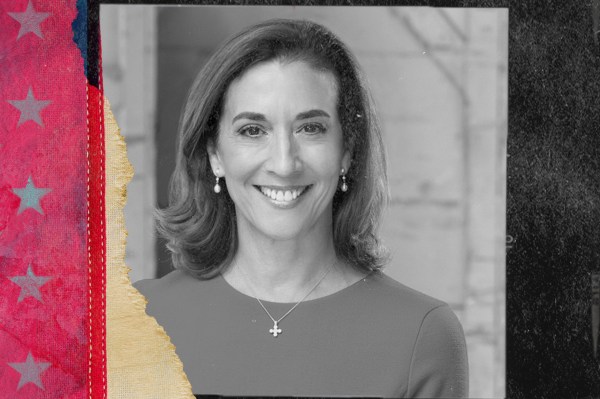
Lourdes Lopez
Lourdes Lopez, artist and Ford Foundation trustee, reflects on the role of art in upholding America’s democratic infrastructure and the need to protect performing arts.
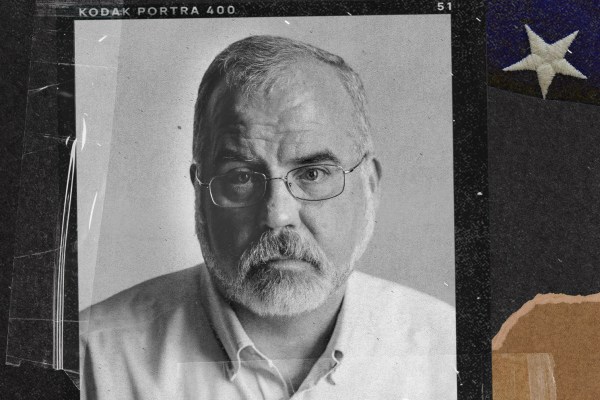
Ken Ward
Ken Ward, Mountain State Spotlight’s editor-in-chief, reflects on the important role that local journalism plays in centering and uplifting community voices.