President Lincoln described the United States at its best as a government “for the people.” The small word “the” matters. Lincoln’s vision was not a nation serving some people, but all people.
Yet too often, these United States have been divided states.
Days before his assassination, Dr. Martin Luther King Jr. lamented from the National Cathedral that 11 a.m. on Sunday remained “the most segregated hour in America.” Nearly six decades later, many of the divisions shaping our nation have only deepened. The Church is often fractured not only by race and ethnicity, but also by politics, class, generation, ideology, and competing visions of public life. As a result, many perceive the Church as advancing a vision for some people rather than all people.
If our nation is to fully embody “We the People,” the Church must become a force for hope, justice, democracy, and human dignity—within congregations and throughout public life.
Scripture presents this calling clearly. Jesus prayed that his followers “may all be one” so the world would know God’s love (John 17). Christian unity is not optional; it is central to the Church’s witness. In Revelation, the Apostle John envisions people from every nation, tribe, and language gathered together before God. The Church is called to embody a reconciled and reconciling community that reflects God’s love and justice for all people.
UNDIVIDED exists to make 11 a.m. on Sunday the most UNDIVIDED hour of the week in America by 2050. We envision a multiplication of healthy multiethnic congregations, deeper solidarity across racial and cultural differences, and a movement of healing and justice that strengthens communities and public life. Being UNDIVIDED—in real proximity across difference—is the path toward becoming a nation truly for the people.
“We envision a multiplication of healthy multiethnic congregations, deeper solidarity across racial and cultural differences, and a movement of healing and justice that strengthens communities and public life. Being UNDIVIDED—in real proximity across difference—is the path toward becoming a nation truly for the people.”
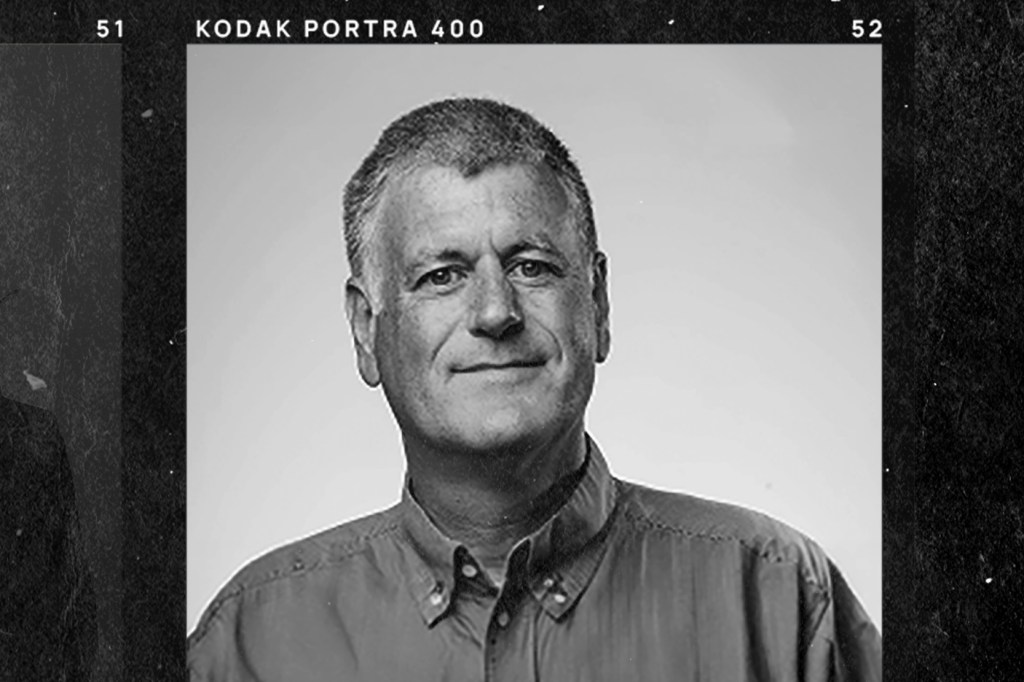
Troy Jackson
Additional For The People Voices
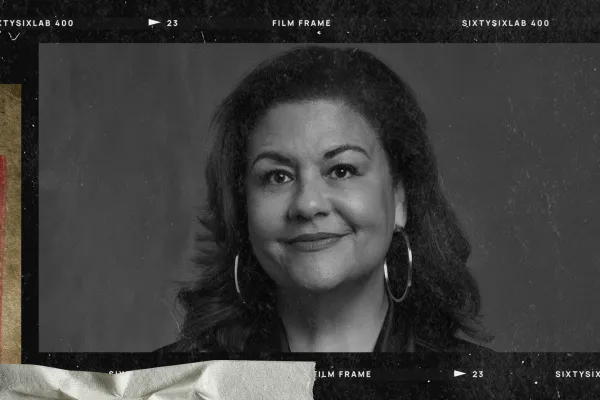
Elizabeth Alexander
Elizabeth Alexander, president of the Mellon Foundation, reflects on how America’s creatives have shaped our complex cultural history and can build a better future for the next generations.
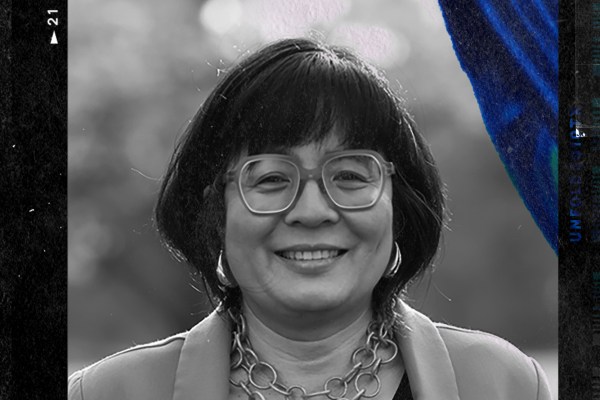
Jennifer Ching
Jennifer Ching, executive director of North Star Fund, reflects on the power of daily, local-level advocacy. By addressing community-specific concerns and our shared future, she argues that democracy locally can inspire people to pursue change at a mass scale.
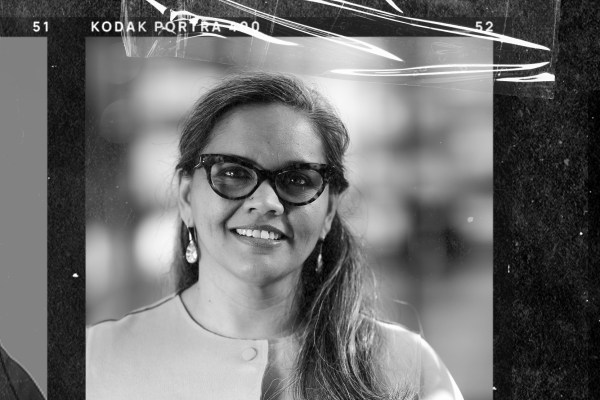
Sarita Gupta
Sarita Gupta, Ford’s vice president of U.S. Programs, reflects on how economic inequality erodes American democracy, and calls for building a fairer economy that centers and broadens workers’ rights.
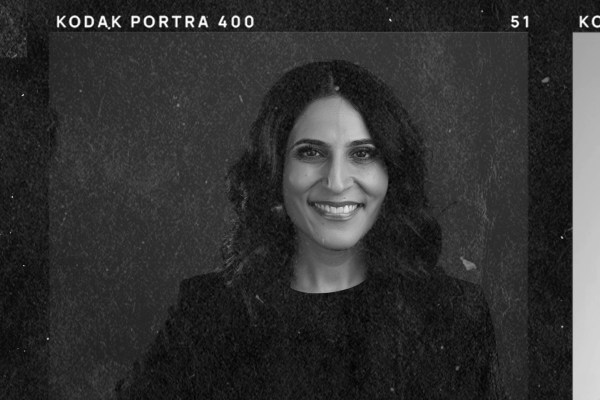
Noorain Khan
Noorain Khan, Ford’s chief innovation officer, shares that a healthy democracy requires a thriving civil society, which depends on resilient nonprofit organizations. These groups are essential for collective action, enabling people to pursue shared causes and amplify individual power.
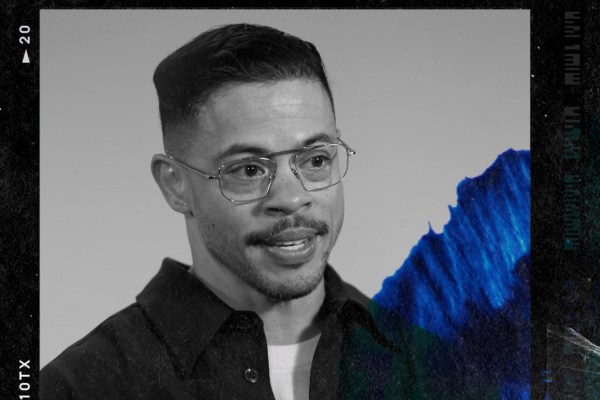
Rickke Mananzala
Rickke Mananzala, president of the New York Foundation, advocates for hyperlocal democracy, urging philanthropy to ensure public systems serve the common good and empower citizens to shape our future.
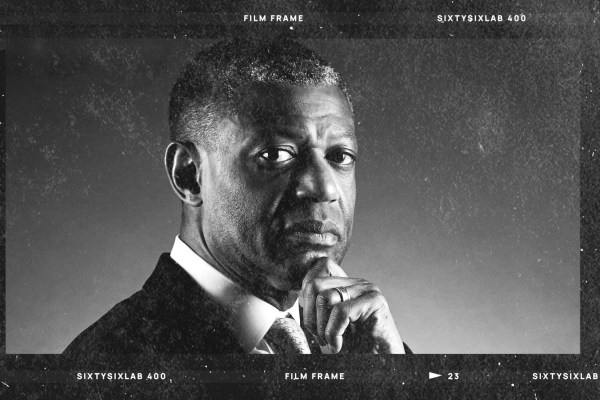
Roy Swan
Roy Swan, Ford’s Mission Investments program director, calls for “patriotic capitalism”: investments that prioritize the common good, widen opportunity, and expand worker ownership.
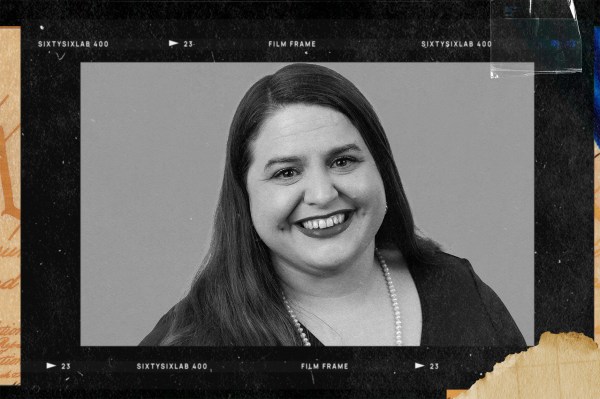
Maria Town
Maria Town, president of the American Association of People With Disabilities, reflects on how achieving an inclusive democracy requires reshaping physical and digital infrastructure to ensure accessibility, integration, and civic participation for all.