Transcript
Transcript begins.
So many times when people talk about democracy for the people, they’re really focused on election cycles. They think about democracy in two-year cycles, or four-year cycles, or six-year cycles. But democracy is really an engine that runs year round, 24/7, all the time. And when we think about what it takes to move people to the polls, we learn time and time again that people are really moved to participate in democracy when they are really engaged in their daily democracy.
And what does that democracy mean? It means people are organized. It means people are coming together and they’re thinking about whatever might be troubling them or bothering them, or whatever injustices they happen to be experiencing, at the most hyperlocal level. People who are involved in their schools, in their local hospitals, in their neighborhoods, around housing issues, around the care of their neighbors, or building a community garden.
These are all the myriads of ways in which people can come together, and they can build a different future. And when they see that future and their own collective futures intertwined, even at the smallest levels, that’s what really moves people, then, to begin thinking about changes at a larger scale, and at a mass scale.
It’s about me saying to you, “My future and my children’s future is also dependent on your future.” And so it’s really important for us to come together and find a common way to build our democracy.
[The Ford Foundation logo is stacked in a bold black serif font, then transforms into a single letter “F” set inside a black circle.]
End of transcript.
Accessibility Statement
- All videos produced by the Ford Foundation since 2020 include captions and downloadable transcripts. For videos where visuals require additional understanding, we offer audio-described versions.
- We are continuing to make videos produced prior to 2020 accessible.
- Videos from third-party sources (those not produced by the Ford Foundation) may not have captions, accessible transcripts, or audio descriptions.
- To improve accessibility beyond our site, we’ve created a free video accessibility WordPress plug-in.
“So many times when people talk about democracy for the people, they’re really focused on election cycles. They think about democracy in two-year cycles, or four-year cycles, or six-year cycles. But democracy is really an engine that runs year-round, 24/7, all the time.”
Jennifer Ching
Additional For The People Voices
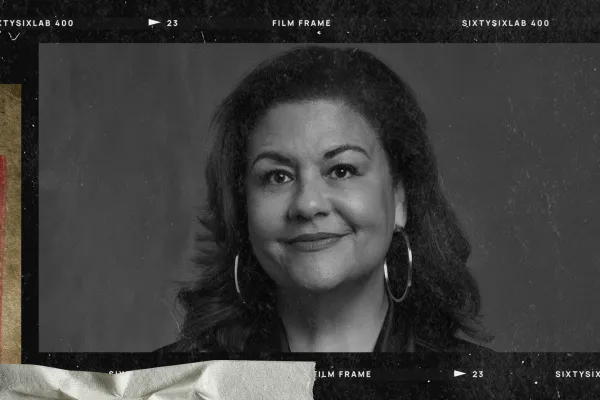
Elizabeth Alexander
Elizabeth Alexander, president of the Mellon Foundation, reflects on how America’s creatives have shaped our complex cultural history and can build a better future for the next generations.
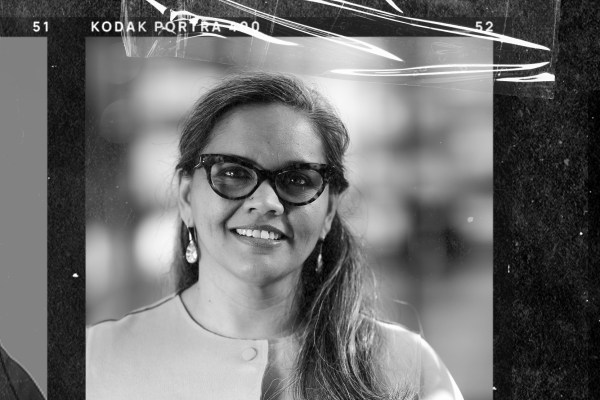
Sarita Gupta
Sarita Gupta, Ford’s vice president of U.S. Programs, reflects on how economic inequality erodes American democracy, and calls for building a fairer economy that centers and broadens workers’ rights.
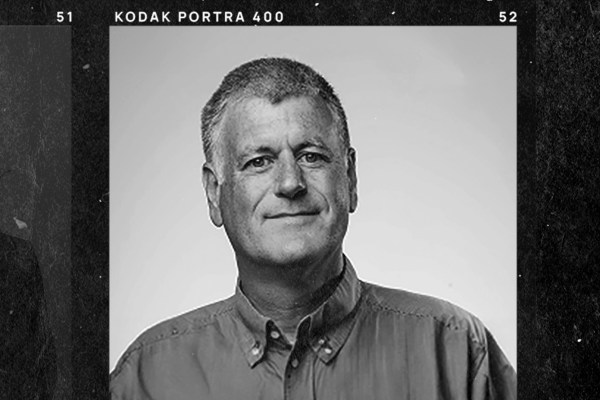
Troy Jackson
Troy Jackson, co-founder and executive director of UNDIVIDED, calls for the Church to unite across racial and political divisions. By doing so, the Church can strengthen democracy and become a powerful force for hope, justice, and dignity.
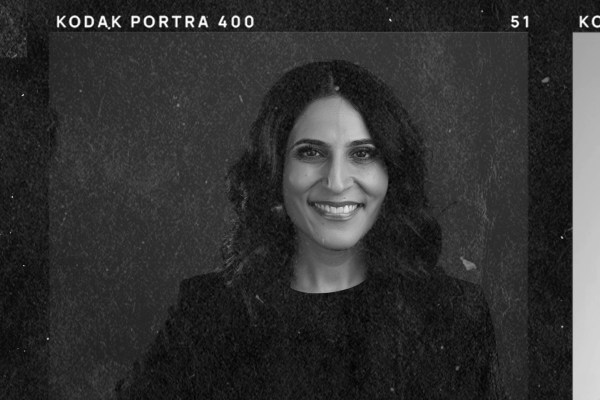
Noorain Khan
Noorain Khan, Ford’s chief innovation officer, shares that a healthy democracy requires a thriving civil society, which depends on resilient nonprofit organizations. These groups are essential for collective action, enabling people to pursue shared causes and amplify individual power.
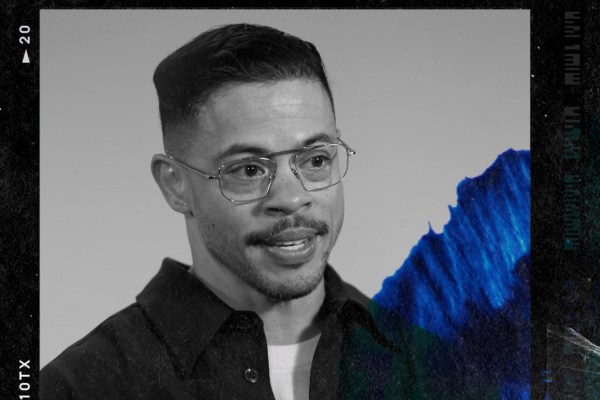
Rickke Mananzala
Rickke Mananzala, president of the New York Foundation, advocates for hyperlocal democracy, urging philanthropy to ensure public systems serve the common good and empower citizens to shape our future.
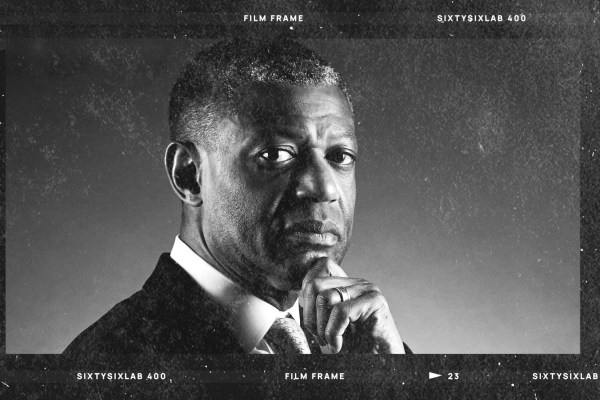
Roy Swan
Roy Swan, Ford’s Mission Investments program director, calls for “patriotic capitalism”: investments that prioritize the common good, widen opportunity, and expand worker ownership.
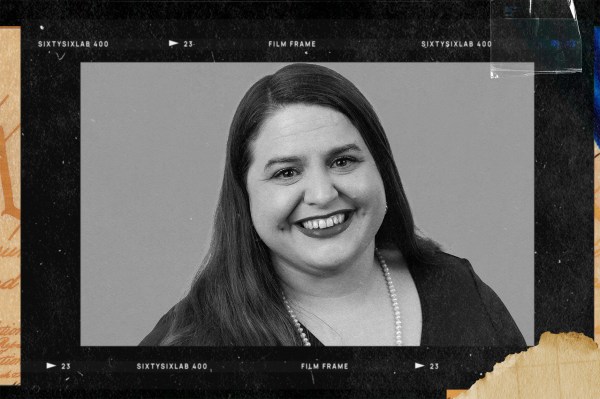
Maria Town
Maria Town, president of the American Association of People With Disabilities, reflects on how achieving an inclusive democracy requires reshaping physical and digital infrastructure to ensure accessibility, integration, and civic participation for all.