Maria Town
President and CEO, The American Association of People With Disabilities
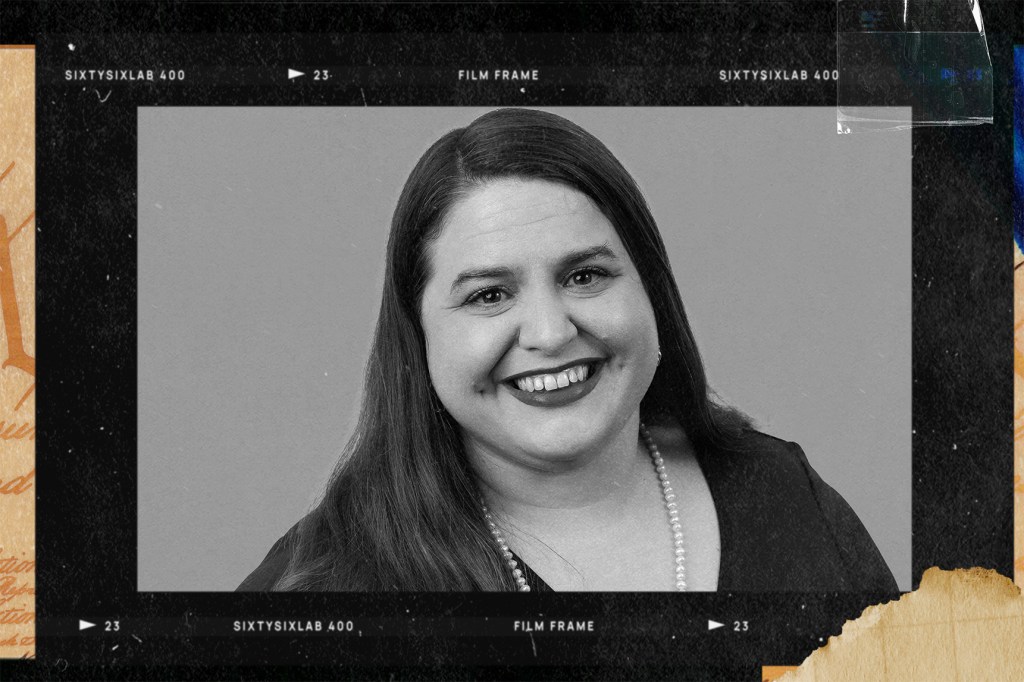
In its simplest form, democracy is about choice—people having choices about the decisions and systems that shape their lives. For disabled people, our choices are frequently taken away, often by the very systems and policies designed to support us. Historically, disabled individuals have been denied the autonomy to make even basic decisions, from what we eat to where we live. The disability rights movement is, at its heart, a struggle for dignity and freedom. It is a fight grounded in a desire for agency, integration, and interdependence, making it a pursuit of democracy in its truest, most inclusive sense.
The right to vote is a fundamental part of democracy. A strong democracy prioritizes accessibility, enabling every voter to choose when, where, and how they cast their ballot. While this sounds straightforward, achieving this vision requires a radical reshaping of systems far beyond the ballot box. For instance, voting depends on access to information, yet approximately 95% of websites remain inaccessible. Information is rarely provided in plain language, American Sign Language, or accessible audio formats. Furthermore, those in institutionalized settings are often systematically cut off from the information needed to participate in civic life.
Closing this gap requires broad investments in language access, web accessibility, and a deep commitment to home and community-based services. By prioritizing community integration, we move our nation away from a culture that compels isolation motivated by a myth of independence and move it toward a culture that cultivates interdependence and community. This transformation is not the burden of a single entity; like democracy itself, it is a collective responsibility. To build a future that empowers everyone, we must ensure our infrastructure—both physical and digital—serves the millions of Americans with disabilities, creating an accessible democracy that is truly for the people.
“To build a future that empowers everyone, we must ensure our infrastructure—both physical and digital—serves the millions of Americans with disabilities, creating an accessible democracy that is truly for the people.”
Maria Town
Additional For The People Voices
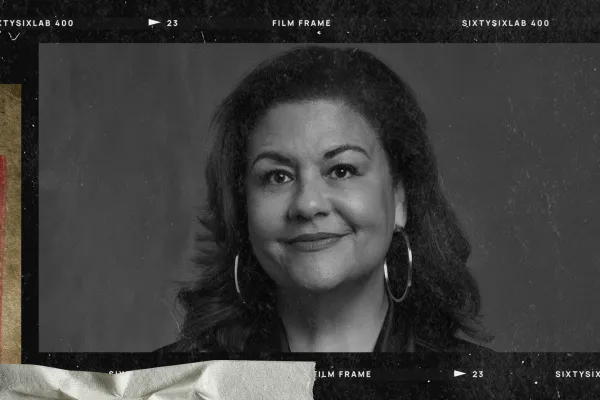
Elizabeth Alexander
Elizabeth Alexander, president of the Mellon Foundation, reflects on how America’s creatives have shaped our complex cultural history and can build a better future for the next generations.
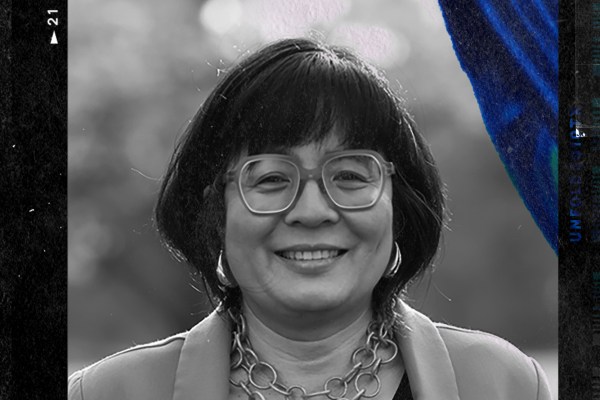
Jennifer Ching
Jennifer Ching, executive director of North Star Fund, reflects on the power of daily, local-level advocacy. By addressing community-specific concerns and our shared future, she argues that democracy locally can inspire people to pursue change at a mass scale.
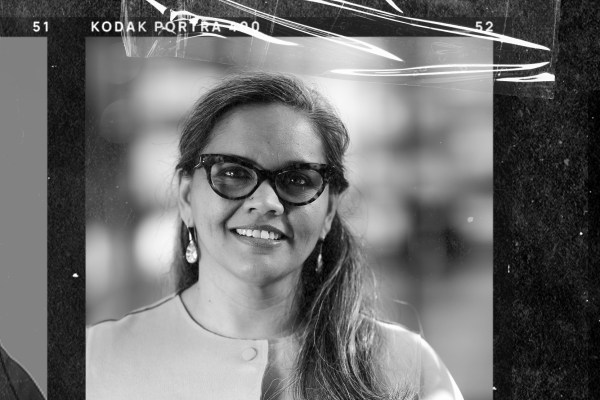
Sarita Gupta
Sarita Gupta, Ford’s vice president of U.S. Programs, reflects on how economic inequality erodes American democracy, and calls for building a fairer economy that centers and broadens workers’ rights.
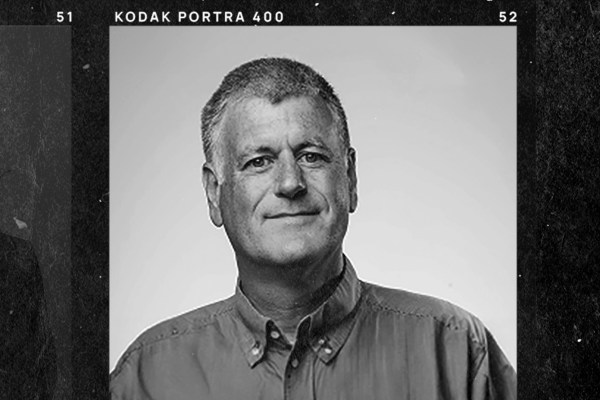
Troy Jackson
Troy Jackson, co-founder and executive director of UNDIVIDED, calls for the Church to unite across racial and political divisions. By doing so, the Church can strengthen democracy and become a powerful force for hope, justice, and dignity.
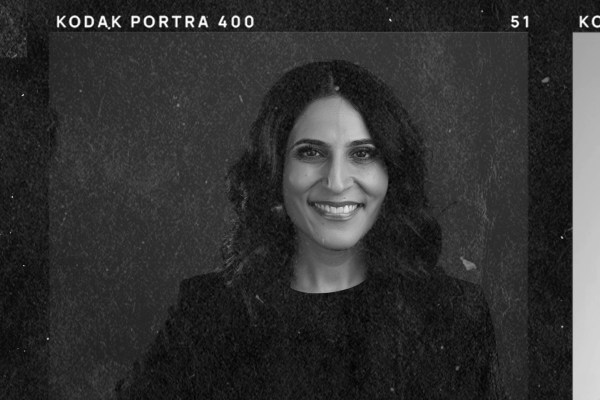
Noorain Khan
Noorain Khan, Ford’s chief innovation officer, shares that a healthy democracy requires a thriving civil society, which depends on resilient nonprofit organizations. These groups are essential for collective action, enabling people to pursue shared causes and amplify individual power.
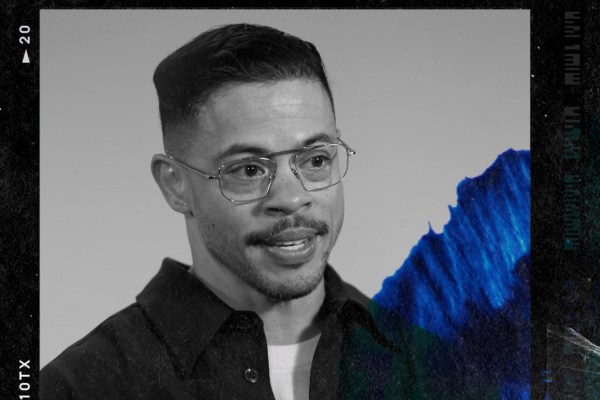
Rickke Mananzala
Rickke Mananzala, president of the New York Foundation, advocates for hyperlocal democracy, urging philanthropy to ensure public systems serve the common good and empower citizens to shape our future.
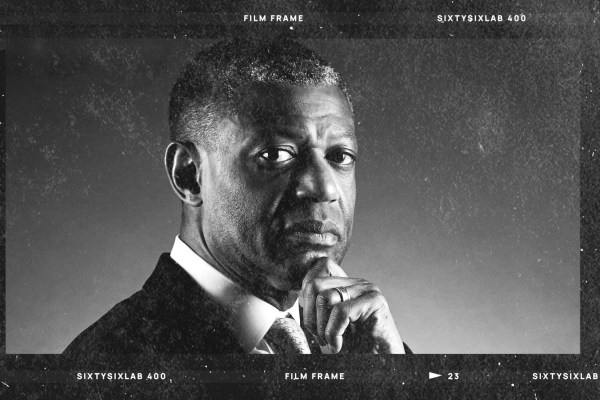
Roy Swan
Roy Swan, Ford’s Mission Investments program director, calls for “patriotic capitalism”: investments that prioritize the common good, widen opportunity, and expand worker ownership.