One thing that unites most Americans, 250 years into our founding, is the belief that our economy is not working “for the people.” Income inequality is surging, with the top one percent of Americans holding as much wealth as the bottom 90 percent. Corporate profits have surged 50 percent just this decade, while workers’ share of national income has shrunk to the lowest level on record. And, as prices continue to rise, a record 55 percent of citizens say their financial situation is getting worse.
America has experienced stark inequality before, and what is particularly frightening is that in such moments, democracy itself begins to weaken. People begin to feel that the system is rigged, and become more willing to overturn it, or to turn on one another. But the American experiment has sustained itself this long because, each time, people have stood together to demand shared prosperity.
Just as economic inequality erodes democracy, so too can economic justice strengthen it. When working people come together to advocate for a fairer economic future, they can breathe new life into our democratic institutions. This transformation includes building solidarity through targeted universalism—rolling out universal public programs in low-income communities first, such as New York City’s 3-K early childhood education initiative, to address immediate needs while fostering broad, cross-class solidarity. To sustain this momentum, we must also rebuild labor unions and tenant associations as essential civic infrastructure, giving working people a proven counterweight to corporate power. Ultimately, the government must deliver visible results, including by constructing a tax code to value working people’s dignity by explicitly prioritizing human employment and training over software and automation.
Look closely today, and you’ll see reasons for optimism across our country. In Washington State, the National Domestic Workers Alliance fought to update the Workers’ Bill of Rights to extend protections to a workforce predominately made up of women of color. In New York, delivery drivers secured a minimum wage increase from $5.39 to over $19 an hour. And in the South, communities are securing Community Benefits Agreement to ensure that a green transition is built with local, union labor. These victories join other bright experiments that are providing hope that a fairer economic future can be reached—a growing number of states offering paid family leave and rising minimum wages and caps on insulin costs in California.
Now is the time for philanthropy to boldly step up, and stitch these victories together into a broader movement for workers rights. Funders must treat the economy as a primary terrain where civic power is either built or destroyed. By fueling grassroots movements that empower workers, philanthropy can help redress an economy that is failing to deliver for the people—and help safeguard our democracy so that our country can flourish for another 250 years.
“Just as economic inequality erodes democracy, so too can economic justice strengthen it. When working people come together to advocate for a fairer economic future, they can breathe new life into our democratic institutions.”
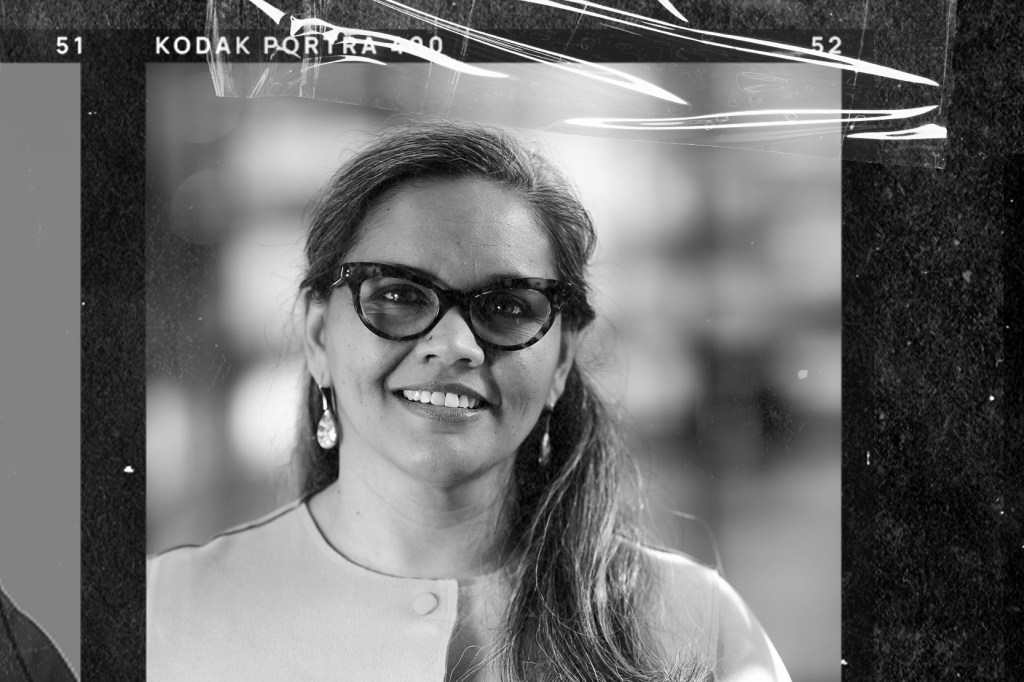
Sarita Gupta
Additional For The People Voices
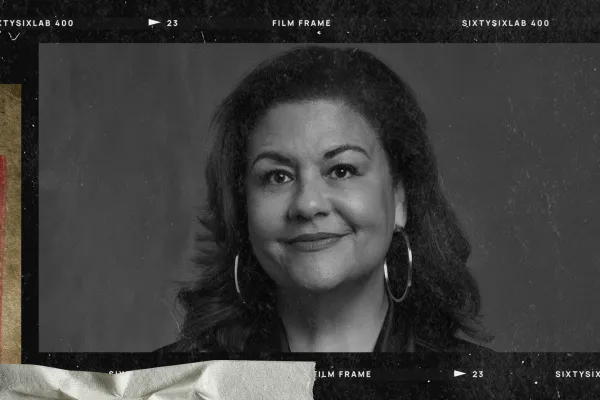
Elizabeth Alexander
Elizabeth Alexander, president of the Mellon Foundation, reflects on how America’s creatives have shaped our complex cultural history and can build a better future for the next generations.
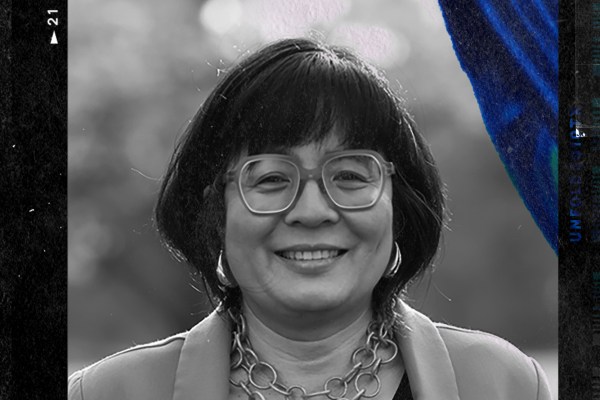
Jennifer Ching
Jennifer Ching, executive director of North Star Fund, reflects on the power of daily, local-level advocacy. By addressing community-specific concerns and our shared future, she argues that democracy locally can inspire people to pursue change at a mass scale.

Troy Jackson
Troy Jackson, co-founder and executive director of UNDIVIDED, calls for the Church to unite across racial and political divisions. By doing so, the Church can strengthen democracy and become a powerful force for hope, justice, and dignity.

Noorain Khan
Noorain Khan, Ford’s chief innovation officer, shares that a healthy democracy requires a thriving civil society, which depends on resilient nonprofit organizations. These groups are essential for collective action, enabling people to pursue shared causes and amplify individual power.
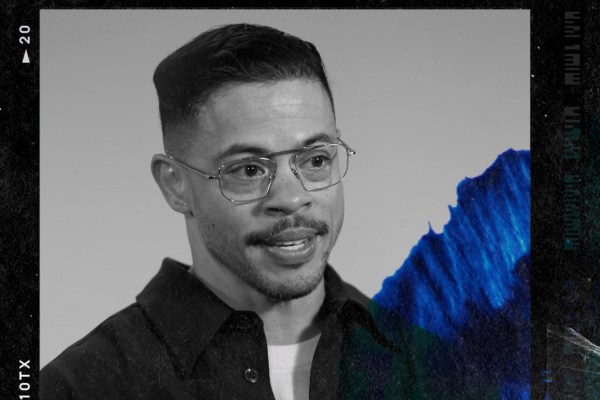
Rickke Mananzala
Rickke Mananzala, president of the New York Foundation, advocates for hyperlocal democracy, urging philanthropy to ensure public systems serve the common good and empower citizens to shape our future.

Roy Swan
Roy Swan, Ford’s Mission Investments program director, calls for “patriotic capitalism”: investments that prioritize the common good, widen opportunity, and expand worker ownership.
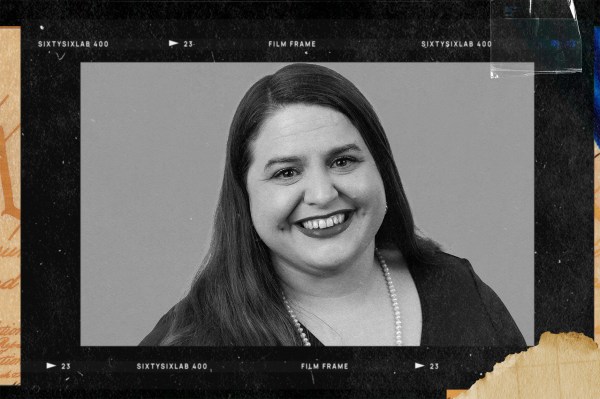
Maria Town
Maria Town, president of the American Association of People With Disabilities, reflects on how achieving an inclusive democracy requires reshaping physical and digital infrastructure to ensure accessibility, integration, and civic participation for all.