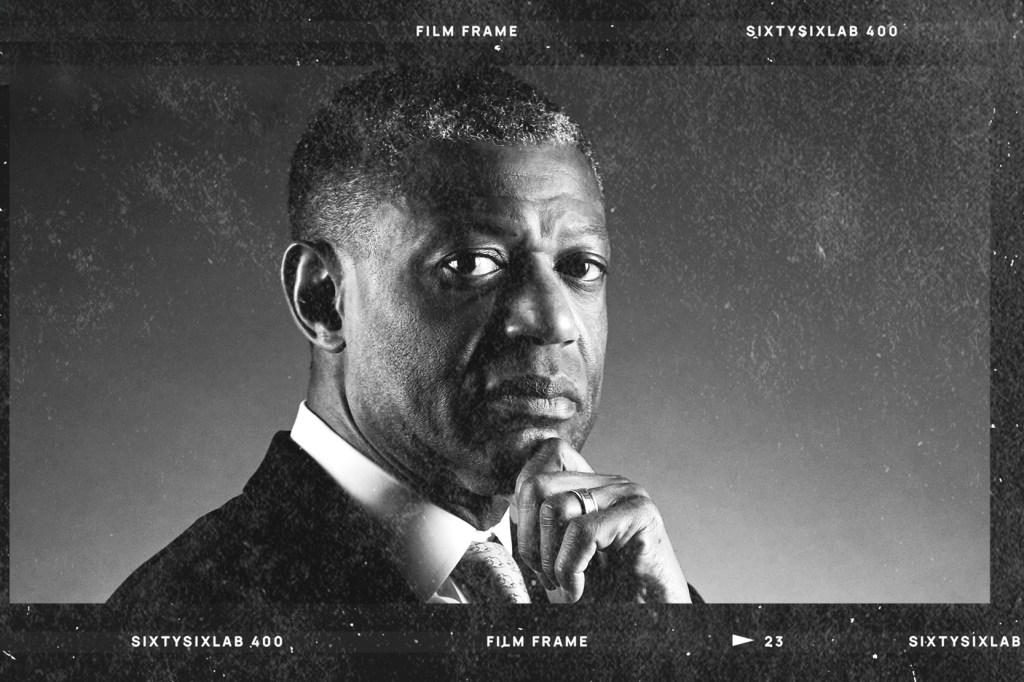
In 1939, after witnessing the democratic collapse of the Weimar Republic, Peter Drucker wrote The End of Economic Man. His diagnosis: Economic alienation is the precondition for democratic erosion. The same pattern toppled democracies across continents and eras, driven by the same engine: widespread economic despair looking for answers and someone to blame.
Democracy needs voters. Voters need a country worth voting in. Economic opportunity is the bedrock of hope. Hope is the bedrock of democracy.
Aristotle saw it 2,400 years earlier: Republics without a middle class become oligarchies or tyrannies. James Madison agreed in Federalist 10. Adam Smith said it in The Theory of Moral Sentiments: Markets work when bound by morality, ethics, and charity. Justice Louis Brandeis is often quoted as warning that “we may have democracy, or we may have wealth concentrated in the hands of a few, but we cannot have both.” The 2024 Nobel laureates Daron Acemoglu and James A. Robinson proved it with data.
Patriotic Capitalism is the response: an investment philosophy that prioritizes country, democracy, and the common good. It is positive-sum, not zero-sum. It treats people as assets to develop, not liabilities to diminish. It widens economic opportunity beyond the technology and finance professionals on the coasts to working families everywhere. If economic alienation is the precondition for democratic erosion, Patriotic Capitalism is the oxygen that gives life to people, families, and the republic itself.
For philanthropy’s part, tax exemption is a public trust designed to support a healthy democracy. Ford’s 1950 Gaither Report said democracy must translate principles into action. Through our $1 billion in Mission Related Investments and $450 million in Program Related Investments, we’ve advanced capital that reaches from the vibrant streets of urban landscapes to the rolling hills of rural America. Worker ownership, affordable housing, responsible technology, health care, and quality jobs are not charitable causes; they are investable opportunities that generate broad-based prosperity and competitive returns. Pete Stavros, co-head of Global Private Equity at KKR, builds employee ownership into every deal, channeling Louis Kelso’s argument that democracy survives only when workers own. KKR’s recent sale of Kito Crosby gave 4,000 employees checks worth up to a year’s income. That is democracy at the deal table.
The investments exist. The returns are real. All it takes to find them is a choice. This is patriotism with profits.
The Founders called it a more perfect Union. Perfecting is a verb. Every endowment dollar gets to vote on it. Cast yours.
“ If economic alienation is the precondition for democratic erosion, Patriotic Capitalism is the oxygen that gives life to people, families, and the republic itself.”
Roy Swan
Additional For The People Voices
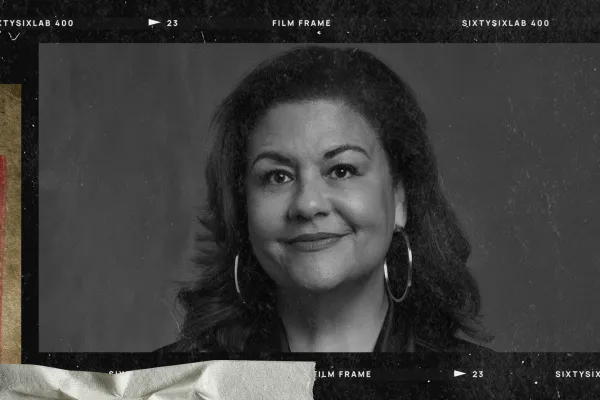
Elizabeth Alexander
Elizabeth Alexander, president of the Mellon Foundation, reflects on how America’s creatives have shaped our complex cultural history and can build a better future for the next generations.
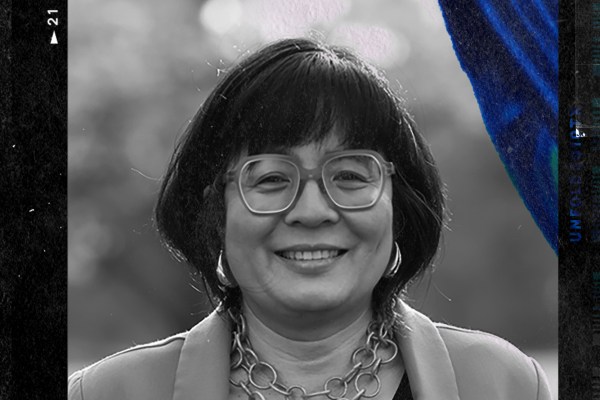
Jennifer Ching
Jennifer Ching, executive director of North Star Fund, reflects on the power of daily, local-level advocacy. By addressing community-specific concerns and our shared future, she argues that democracy locally can inspire people to pursue change at a mass scale.
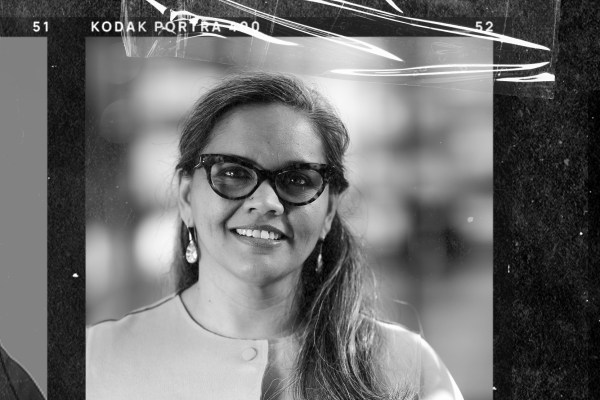
Sarita Gupta
Sarita Gupta, Ford’s vice president of U.S. Programs, reflects on how economic inequality erodes American democracy, and calls for building a fairer economy that centers and broadens workers’ rights.
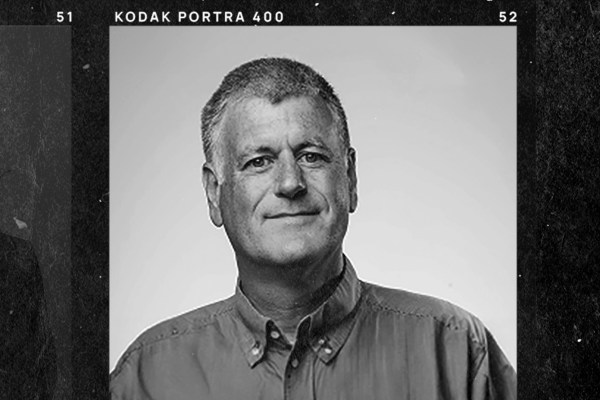
Troy Jackson
Troy Jackson, co-founder and executive director of UNDIVIDED, calls for the Church to unite across racial and political divisions. By doing so, the Church can strengthen democracy and become a powerful force for hope, justice, and dignity.
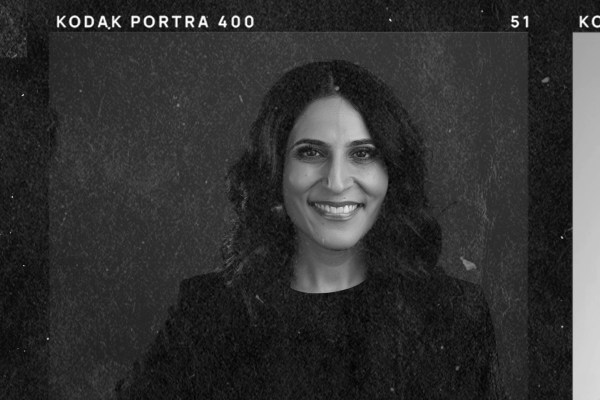
Noorain Khan
Noorain Khan, Ford’s chief innovation officer, shares that a healthy democracy requires a thriving civil society, which depends on resilient nonprofit organizations. These groups are essential for collective action, enabling people to pursue shared causes and amplify individual power.
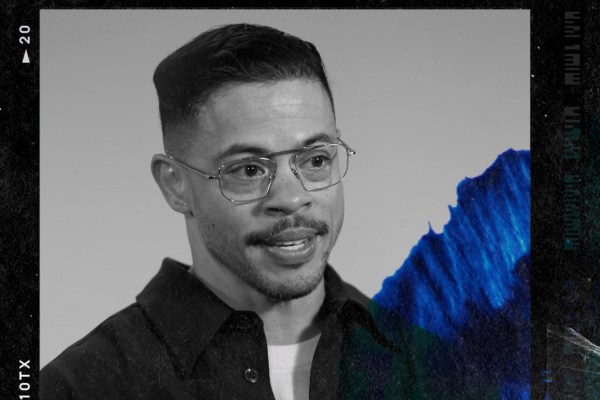
Rickke Mananzala
Rickke Mananzala, president of the New York Foundation, advocates for hyperlocal democracy, urging philanthropy to ensure public systems serve the common good and empower citizens to shape our future.
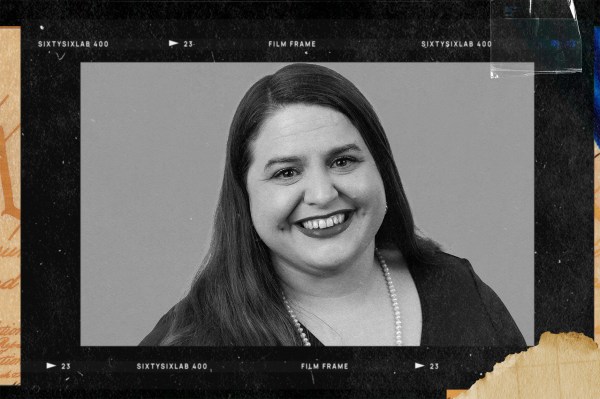
Maria Town
Maria Town, president of the American Association of People With Disabilities, reflects on how achieving an inclusive democracy requires reshaping physical and digital infrastructure to ensure accessibility, integration, and civic participation for all.