
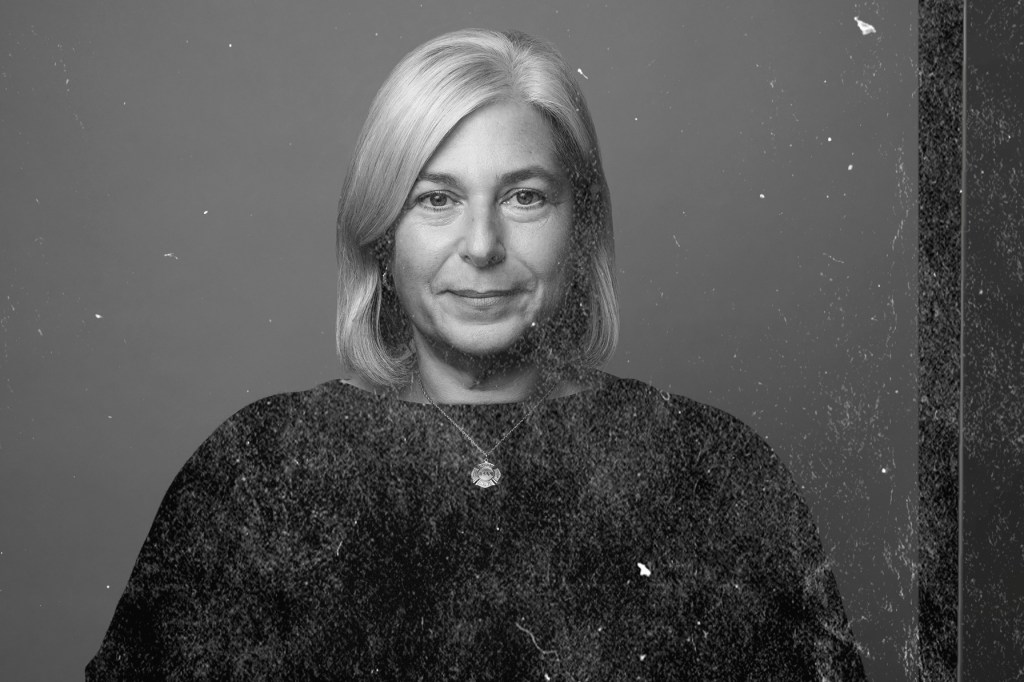
In 1968, two months after her husband, Dr. Martin Luther King Jr., was assassinated in Memphis, Coretta Scott King traveled to Harvard to become the first woman ever to speak at the school’s Class Day. Her speech was a powerful rebuke to the forces that seemed intent on tearing American society asunder: racism, poverty, and a divisive war. But she made special mention of another destabilizing force: technology. “Our machines have grown so large that we have become so small,” she said, carrying out an undelivered address by Dr. King. “We no longer ask for what purpose they are made.”
Today, Americans are asking the question: For what purpose is AI being made? We are told by a small group of powerful people that AI is an inevitable force and that its acceleration cannot slow down, or else our country will lose the race for technological supremacy. Yet the AI technologies they sell and champion exploit our creativity, steal our data, surveil our communities, drive down our wages, drive up our bills, and threaten our jobs. These are deliberate design choices, and they are not inevitable.
Even as AI capabilities accelerate, the public’s tolerance for unchecked growth is evaporating, replaced by a desire for agency to understand and decide how and where these tools shape our lives. We must work to embed fundamental rights into the design, deployment, and governance of AI. In doing so, we can ensure technology is built to advance human agency and dignity, not wear it away.
An AI agenda “by the people” would promote genuine competition, including the participation of non-proprietary and open-source models in the market; rigorously protect privacy as a fundamental American value; and ban algorithmic discrimination in housing, hiring, price setting, and health care. AI designed “by the people” would undergo rigorous pre-deployment testing and ongoing monitoring by experts who are truly independent of industry influence. And it would give people the means to appeal decisions made by an AI system and seek both accountability and remedy when an AI system fails or causes harm.
Building such a future will require significant collective action. We already have many of the necessary tools to get started, including antitrust and privacy laws that are already on the books that must be strengthened and enforced. We can also push for regulatory mandates to ensure different technologies work easily with each other, so we can take our data, contacts, and history with us wherever we go. This enables new and alternative technology builders to compete in the market and gives us a real choice and control over our digital lives. And we can advance policy ideas to ensure that the biggest and most dominant AI companies pay their fair share back to workers and communities.
Such progress is possible, even in the face of powerful interests. If people can come together to demand such change, as Mrs. King urged, “we may yet not only survive—we may triumph.”
“We must work to embed fundamental rights into the design, deployment, and governance of AI. In doing so, we can ensure technology is built to advance human agency and dignity, not wear it away.”
Lori McGlinchey
Additional By The People Voices
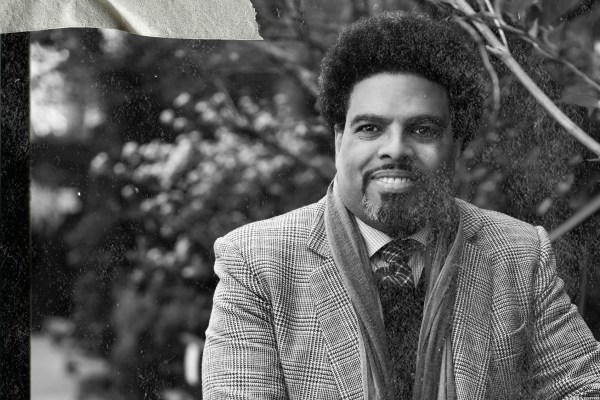
Dr. Darrick Hamilton
Dr. Darrick Hamilton, founding director of Institute on Race, Power and Political Economy at The New School, defines “democracy by the people” as the power to influence societal structures, arguing that democracy necessitates both political inclusion and the resources to thrive.
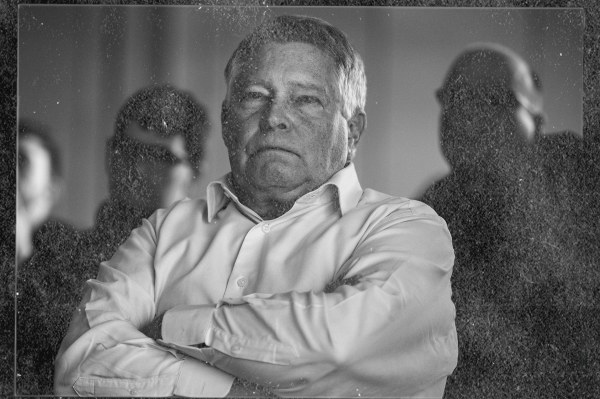
Judge J. Michael Luttig
Judge J. Michael Luttig, lawyer and former judge of the United States Court of Appeals for the Fourth Circuit, urges Americans to summon the collective courage needed to protect democracy and the American promise for future generations.
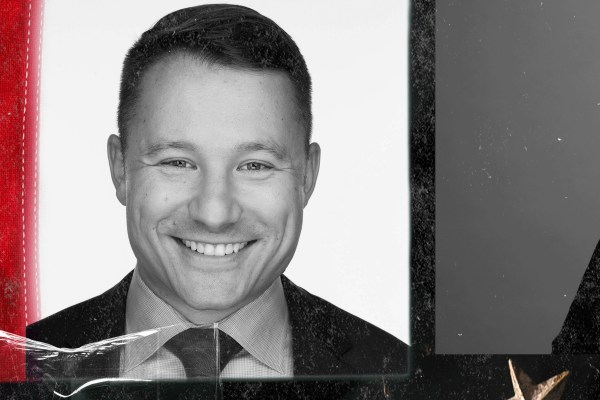
Alberto Ramos
Alberto Ramos, CEO of Veterans for All Voters, reflects on what democracy means as a veteran, urging citizens to safeguard voting access and create a system that honors the principles veterans fought to uphold.
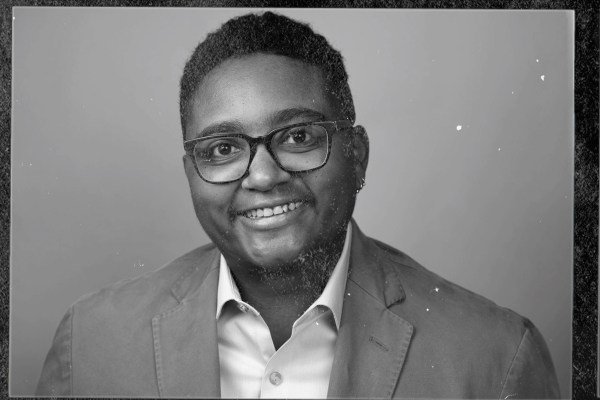
Erica Smiley
Erica Smiley, executive director of Jobs With Justice, reflects on how workers’ ability to shape economic systems and conditions upholds democracy.
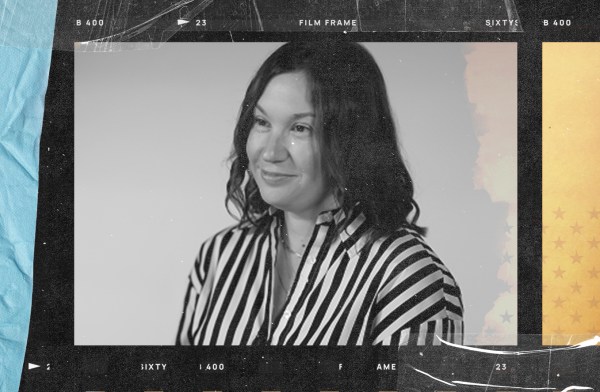
Amy Spitalnick
Amy Spitalnick, CEO of the Jewish Council for Public Affairs, calls for an inclusive, pluralistic democracy that protects the rights of every community, fosters cross-community unity, and addresses extremism through mutual trust and partnership.

Chase Strangio
Chase Strangio, co-director of the ACLU’s LGBT & HIV Project, reflects on the legal system’s role and its constraints, suggesting that art serves as a pathway for envisioning a new future for the LGBTQ+ community.
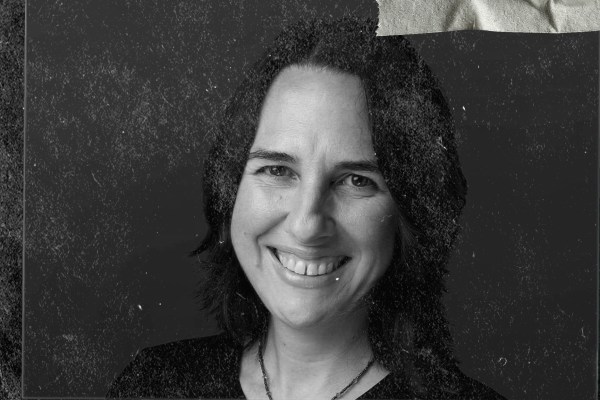
Erika Wood
Ford Foundation senior program officer Erika Wood reflects on the critical need to strengthen the American democratic system to ensure full inclusion, robust participation, and true representation for all.