Erika Wood
Senior Program Officer, Civic Engagement and Government, Ford Foundation
Transcript
Transcript begins.
The phrase “by the people” is a daring promise, but across our democracy in the U.S., it has been designed in ways that exclude too many people: women, poor people, people of color, indigenous people, incarcerated people. Even so, I remain inspired by American democracy. At the time of our founding, it was revolutionary to think about a government by the people. It remains aspirational. Audacious, an “unfinished experiment,” in the words of Walt Whitman.
But because our democracy is still shaped by just some people, it is vulnerable to division. It lacks the solid foundation that could be built with robust participation across all of our communities. The true power of our collective voice.
Imagine what would be possible if we redesigned the system to truly be by the people. Voter participation would be the default that you would have to opt out of rather than opt into. People could choose when, how, where to cast their ballots. No voter would have to stand in long lines or travel long distances. Incarcerated individuals could be encouraged to participate rather than excluded.
Our representatives could really be chosen by their voters, rather than legislators cherry picking their voters through gerrymandered districts. If our candidates for public office were insulated from corporate entities and big money, people could trust that they were really representing the public interest.
We are in a moment of enormous challenge, but also incredible opportunity. While some people may have the urge to tear things down, we could choose to build up our democracy, and redesign it, to truly be one that is of the people, by the people, for the people.
[The Ford Foundation logo is stacked in a bold black serif font, then transforms into a single letter “F” set inside a black circle.]
End of transcript.
Accessibility Statement
- All videos produced by the Ford Foundation since 2020 include captions and downloadable transcripts. For videos where visuals require additional understanding, we offer audio-described versions.
- We are continuing to make videos produced prior to 2020 accessible.
- Videos from third-party sources (those not produced by the Ford Foundation) may not have captions, accessible transcripts, or audio descriptions.
- To improve accessibility beyond our site, we’ve created a free video accessibility WordPress plug-in.
“I remain inspired by American democracy at the time of our founding. It was revolutionary to think about a government by the people. It remains aspirational. Audacious, and unfinished experiment.”
Erika Wood
Additional By The People Voices
Dr. Darrick Hamilton
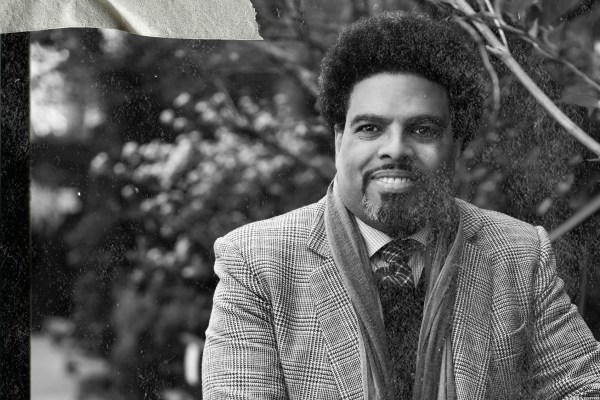
Dr. Darrick Hamilton, founding director of Institute on Race, Power and Political Economy at The New School, defines “democracy by the people” as the power to influence societal structures, arguing that democracy necessitates both political inclusion and the resources to thrive.
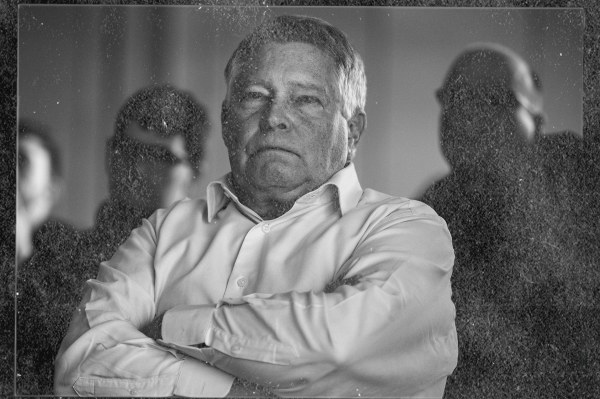
Judge J. Michael Luttig
Judge J. Michael Luttig, lawyer and former judge of the United States Court of Appeals for the Fourth Circuit, urges Americans to summon the collective courage needed to protect democracy and the American promise for future generations.
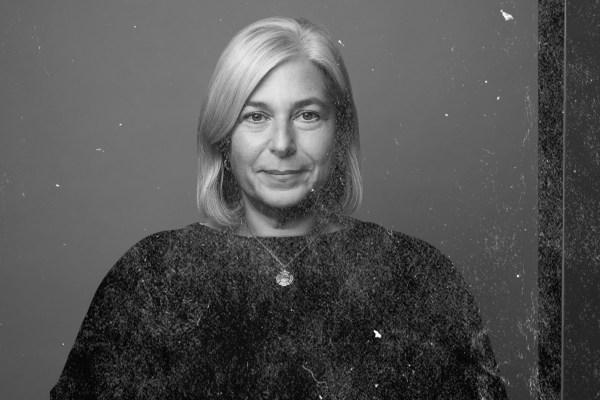
Lori McGlinchey
Lori McGlinchey, Ford’s Technology and Society director, reflects on what AI “by the people” must look like—technology designed to protect fundamental rights, minimize harm, and elevate human dignity.
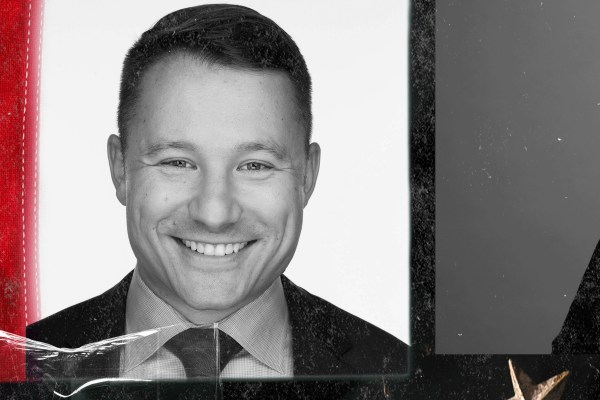
Alberto Ramos
Alberto Ramos, CEO of Veterans for All Voters, reflects on what democracy means as a veteran, urging citizens to safeguard voting access and create a system that honors the principles veterans fought to uphold.
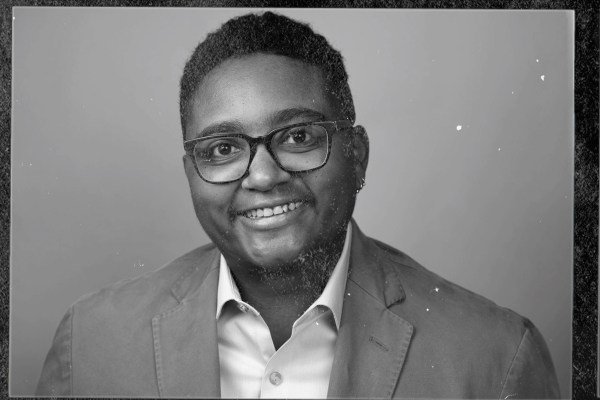
Erica Smiley
Erica Smiley, executive director of Jobs With Justice, reflects on how workers’ ability to shape economic systems and conditions upholds democracy.
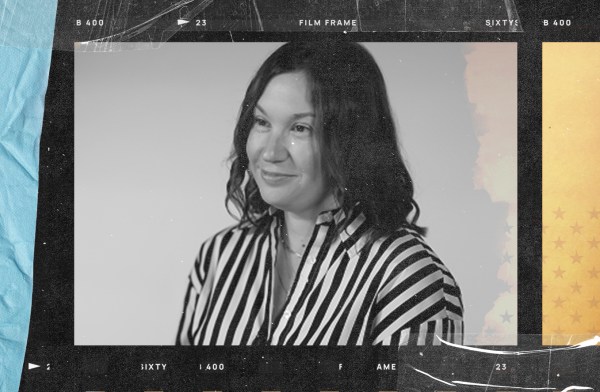
Amy Spitalnick
Amy Spitalnick, CEO of the Jewish Council for Public Affairs, calls for an inclusive, pluralistic democracy that protects the rights of every community, fosters cross-community unity, and addresses extremism through mutual trust and partnership.
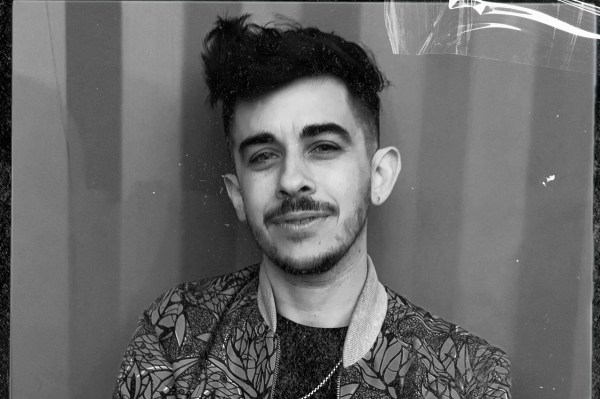
Chase Strangio
Chase Strangio, co-director of the ACLU’s LGBT & HIV Project, reflects on the legal system’s role and its constraints, suggesting that art serves as a pathway for envisioning a new future for the LGBTQ+ community.