
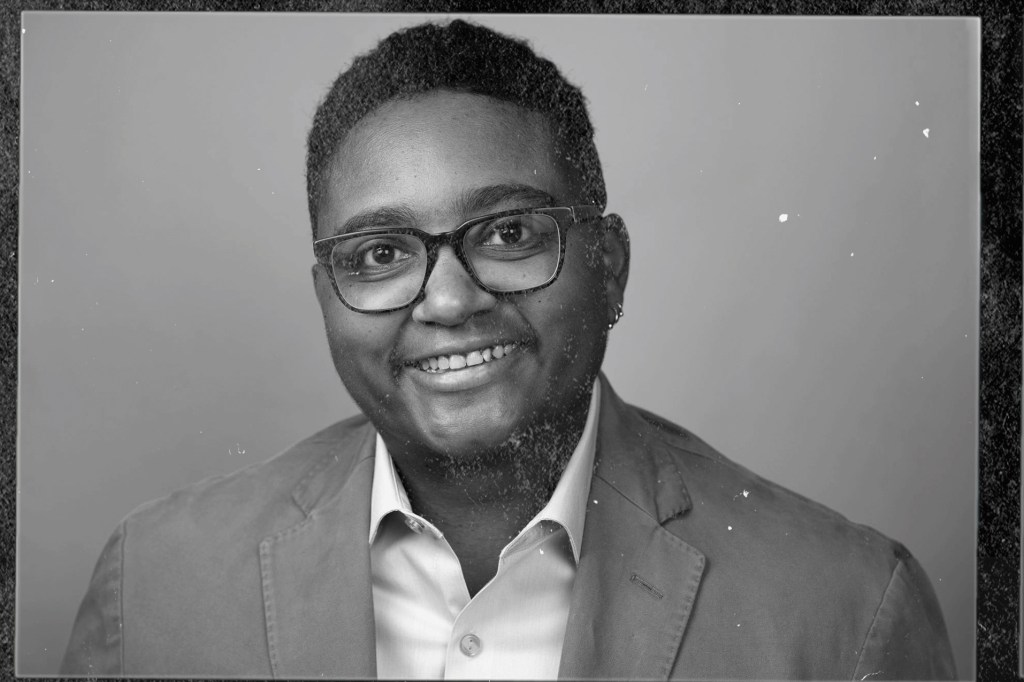
Benjamin Franklin “Frank” Smiley lived his entire life in Jasper County, Mississippi—and yet, by the time he was 18, he had already lived in three nations. Born just before the start of the Civil War, Frank was too young to remember the feudalism of chattel slavery that his parents fled. His first memories were made during early experiments in multiracial democracy. At age 7, he was already working full time on land that his father owned: farming, selling lumber. Free. The Reconstruction Era not only abolished slavery but created a framework for Black people to access full citizenship, due process, and voting. A Black man represented the state of Mississippi in the U.S. Senate.
But it would not last.
As Frank came into adulthood, the democratic gains of the Reconstruction Era were rolled back to the unwritten codes of American society that prioritize the power of the few over the many—at the ballot box and on the land. This became the presumed criteria for determining who would be allowed to set standards for production and the rule of law. These are the conditions in which the next generations of Smileys would scrap for freedom—for economic security, a voice, respect. Each of our experiences clarified that to achieve political democracy, economic and industrial decision-making must also be accessible to the majority. Without one, the whole system of democracy is compromised.
Today as Frank’s youngest great-granddaughter, I can join many others in weaving together the lessons of our shared history to build a strategy for freedom. With the privilege of hindsight, we can clearly recognize the nation’s refusal to address the often-racialized economic heart of democracy.
This is why collective bargaining, in all its current and potential forms, is fundamental to democracy. At its best, collective bargaining is a system by which working people directly confront the owners of capital to set standards that work for the majority while reclaiming the profits of their labor for themselves and their communities. And they do this by exercising their structural power, the ability to disrupt the productive engines of society that they fuel. That power does not always require high numbers. Even still, there are strategic choices we can make to maximize our limited energy and resources—sectors that, if democratized, would change how we do things significantly beyond those immediately involved, such as heavy manufacturing. It may also reference a chokepoint of the economy, a place that, if disrupted, would have far-reaching consequences. When port workers don’t unload a merchant ship, companies lose thousands of dollars on undelivered goods. This is structural, democratic power.
To truly build the democracy of our dreams, we must invest in strategies that increase the decision-making power of the majority in sectors of the economy where winning could change the field of struggle everywhere.
“To truly build the democracy of our dreams, we must invest in strategies that increase the decision-making power of the majority in sectors of the economy where winning could change the field of struggle everywhere.”
Erica Smiley
Additional By The People Voices
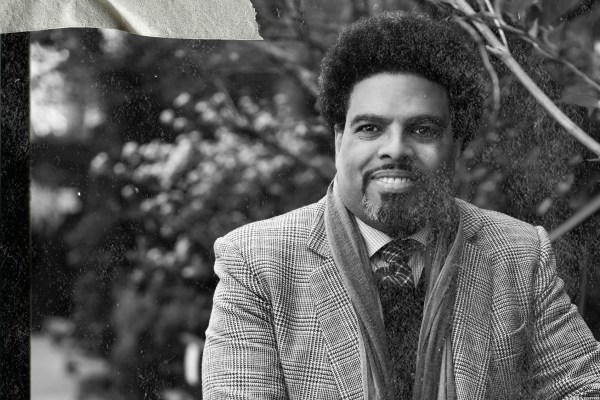
Dr. Darrick Hamilton
Dr. Darrick Hamilton, founding director of Institute on Race, Power and Political Economy at The New School, defines “democracy by the people” as the power to influence societal structures, arguing that democracy necessitates both political inclusion and the resources to thrive.
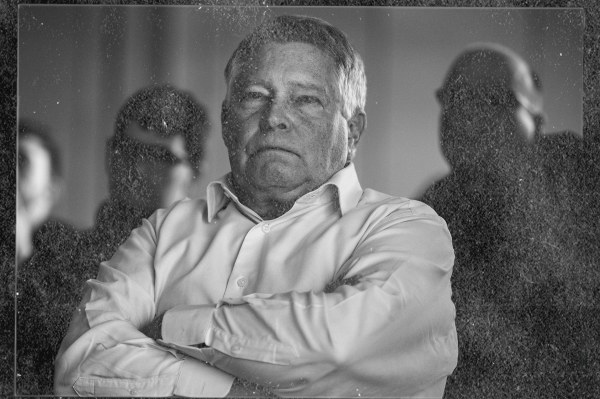
Judge J. Michael Luttig
Judge J. Michael Luttig, lawyer and former judge of the United States Court of Appeals for the Fourth Circuit, urges Americans to summon the collective courage needed to protect democracy and the American promise for future generations.
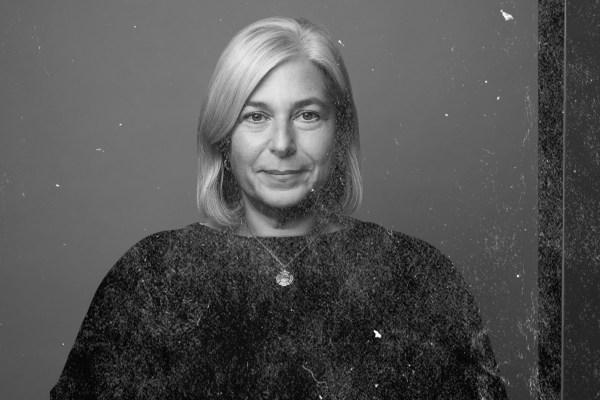
Lori McGlinchey
Lori McGlinchey, Ford’s Technology and Society director, reflects on what AI “by the people” must look like—technology designed to protect fundamental rights, minimize harm, and elevate human dignity.
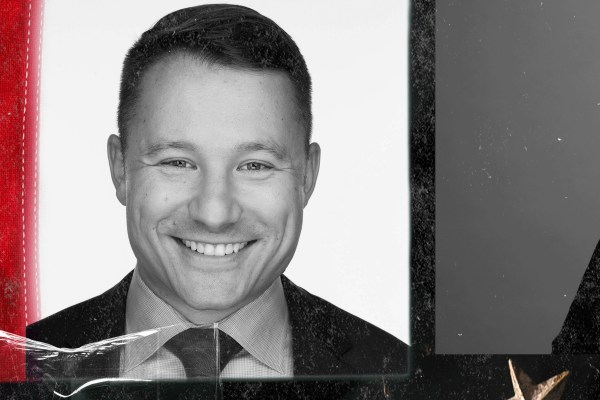
Alberto Ramos
Alberto Ramos, CEO of Veterans for All Voters, reflects on what democracy means as a veteran, urging citizens to safeguard voting access and create a system that honors the principles veterans fought to uphold.
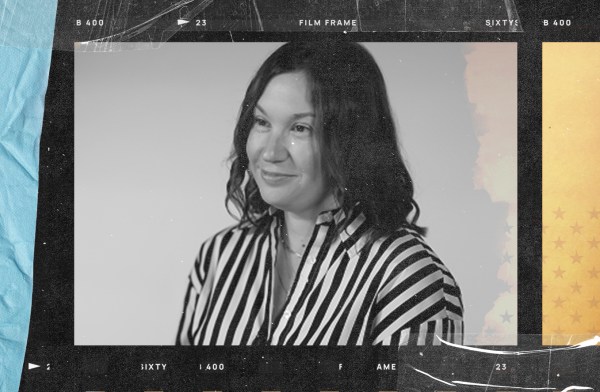
Amy Spitalnick
Amy Spitalnick, CEO of the Jewish Council for Public Affairs, calls for an inclusive, pluralistic democracy that protects the rights of every community, fosters cross-community unity, and addresses extremism through mutual trust and partnership.
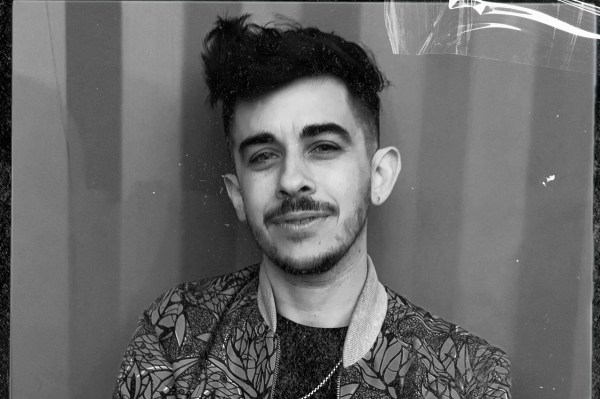
Chase Strangio
Chase Strangio, co-director of the ACLU’s LGBT & HIV Project, reflects on the legal system’s role and its constraints, suggesting that art serves as a pathway for envisioning a new future for the LGBTQ+ community.
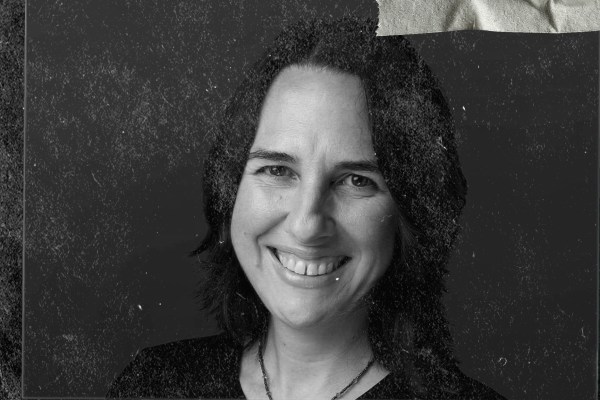
Erika Wood
Ford Foundation senior program officer Erika Wood reflects on the critical need to strengthen the American democratic system to ensure full inclusion, robust participation, and true representation for all.