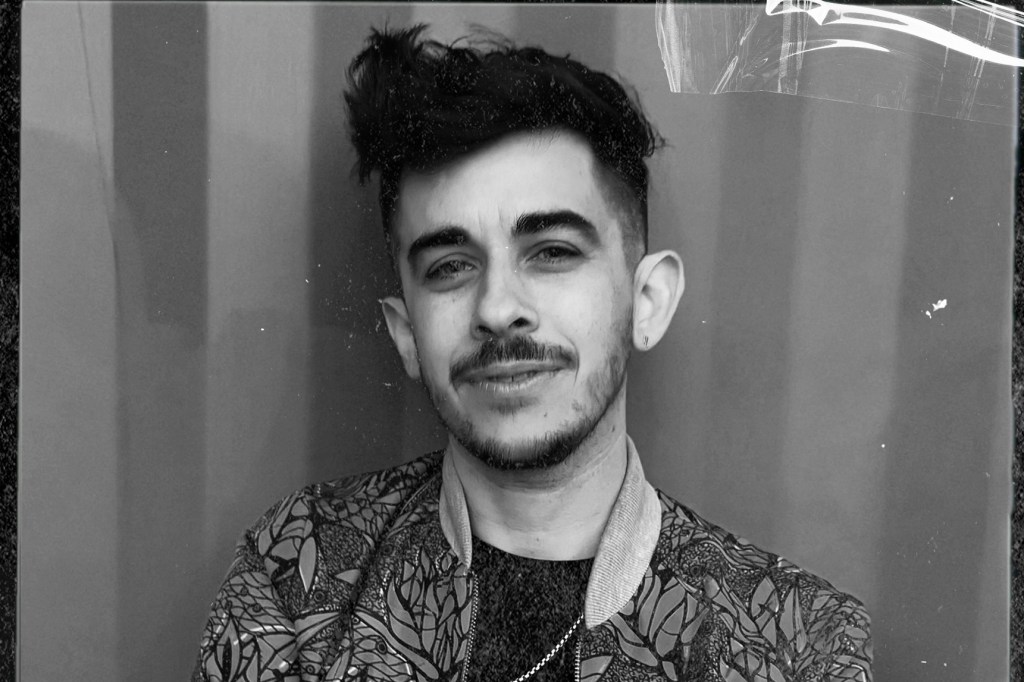
One of the many challenges of this moment is not letting ourselves be lured into a vision for the future that is constrained by the retrenched battles of the present. Especially for those of us relying on law and legal change as a tool for resisting government repression and reducing harm, it can be easy to mistake holding the line for building the conditions we want. But ultimately, minimizing or delaying governmental harms is not in itself transformational. Indeed, the language of law often limits us to notions of fairness and participation, rather than more expansive ideals like vibrancy and cultivation.
As we think to the future, it is imperative that we be curious and creative. That means using law to reduce harm but never allowing its terms to define our vision. Art, not law, should orient us. As the artist David Wojnarowicz famously wrote, “If silence equals death, then art equals language equals life.” It is this language that can propel us into a more capacious future where our humanity is cherished.
In that work, there is an urgent need to prioritize our collective liberation and shared humanity. For the past five years, many of us fighting for LGBTQ rights have been mired in an externally imposed narrative battle over whether our movement “went too far.” Instead of looking at the conditions we face, the ease with which we are pitted apart, the structural attacks on our futures, we expend political and personal energy constituting the idea that it is our demand for justice that is responsible for our oppression. It is not. Demanding that we be treated as human, that we get to dream of full futures, and that we be allowed to realize and inhabit our embodied selves is not excess but a necessity.
Our path forward is through our investments in art and each other. It is through the enduring sense that we all deserve to find richness, curiosity, and expansiveness in our lives and with our communities.
“As we think to the future, it is imperative that we be curious and creative. That means using law to reduce harm but never allowing its terms to define our vision. Art, not law, should orient us.”
Chase Strangio
Additional By The People Voices
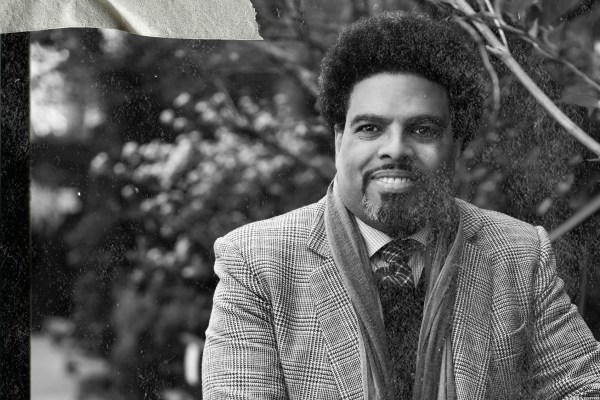
Dr. Darrick Hamilton
Dr. Darrick Hamilton, founding director of Institute on Race, Power and Political Economy at The New School, defines “democracy by the people” as the power to influence societal structures, arguing that democracy necessitates both political inclusion and the resources to thrive.
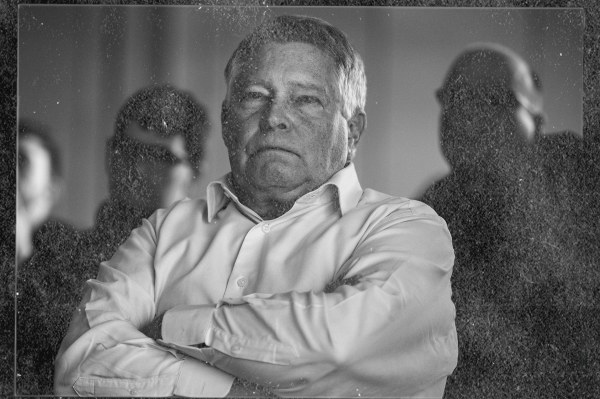
Judge J. Michael Luttig
Judge J. Michael Luttig, lawyer and former judge of the United States Court of Appeals for the Fourth Circuit, urges Americans to summon the collective courage needed to protect democracy and the American promise for future generations.
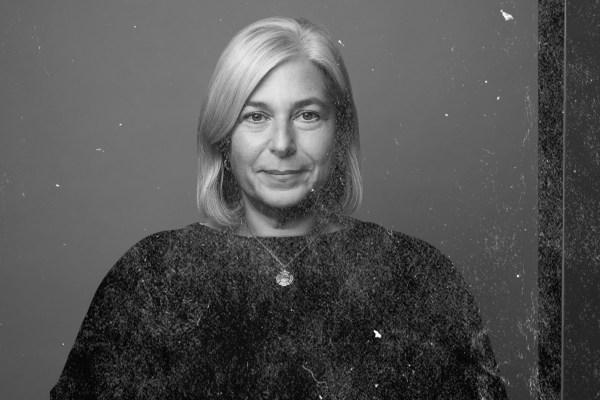
Lori McGlinchey
Lori McGlinchey, Ford’s Technology and Society director, reflects on what AI “by the people” must look like—technology designed to protect fundamental rights, minimize harm, and elevate human dignity.
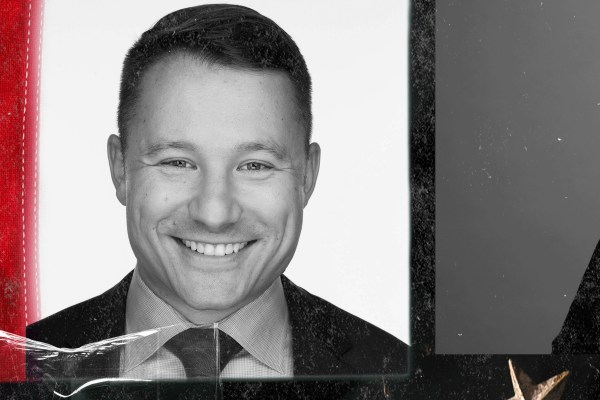
Alberto Ramos
Alberto Ramos, CEO of Veterans for All Voters, reflects on what democracy means as a veteran, urging citizens to safeguard voting access and create a system that honors the principles veterans fought to uphold.
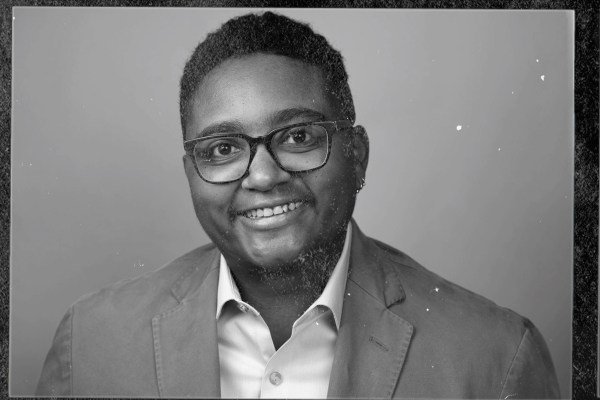
Erica Smiley
Erica Smiley, executive director of Jobs With Justice, reflects on how workers’ ability to shape economic systems and conditions upholds democracy.
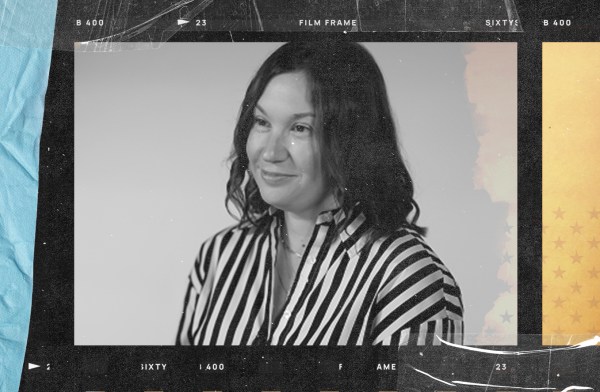
Amy Spitalnick
Amy Spitalnick, CEO of the Jewish Council for Public Affairs, calls for an inclusive, pluralistic democracy that protects the rights of every community, fosters cross-community unity, and addresses extremism through mutual trust and partnership.
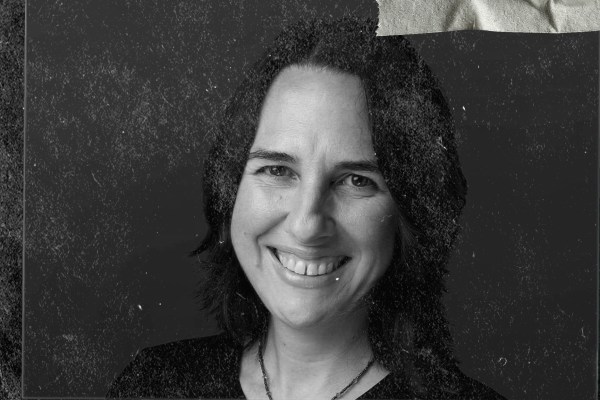
Erika Wood
Ford Foundation senior program officer Erika Wood reflects on the critical need to strengthen the American democratic system to ensure full inclusion, robust participation, and true representation for all.