The first act of service in the United States military is not learning to salute or march in formation. It is raising your right hand and taking an oath to the Constitution, to a set of ideals our country has never fully reached and must never stop reaching toward.
For service members, democracy is not an abstraction. It is a living promise, tested through service and sacrifice. In uniform, you learn to depend on Americans who may pray differently, vote differently, come from different places, and see the world through different eyes. You learn to trust one another because no one accomplishes the mission alone.
Veterans carry that oath home, into neighborhoods, town halls, polling places, and the quiet work of citizenship.
We remind the country that voting and civic participation belong to all of us, because self-government only works when everyone can take part. We help build rules and systems that welcome every eligible voter, make participation easier, and give every community a real voice in shaping the future we share. And we do it in the same spirit that held our units together: with courage, conviction, and faith in one another.
From the Founders to every generation of veterans since, the task has never been only to defend America as it is. It has been to help America become more fully what it promised to be. As we approach the nation’s 250th anniversary, that oath still asks us to strengthen the habits of citizenship that keep our republic alive.
The best way to honor those who served is to build a democracy worthy of their many sacrifices.
They kept their oath. Now we carry it forward.
“Veterans carry that oath home, into neighborhoods, town halls, polling places, and the quiet work of citizenship. We remind the country that voting and civic participation belong to all of us, because self-government only works when everyone can take part.”
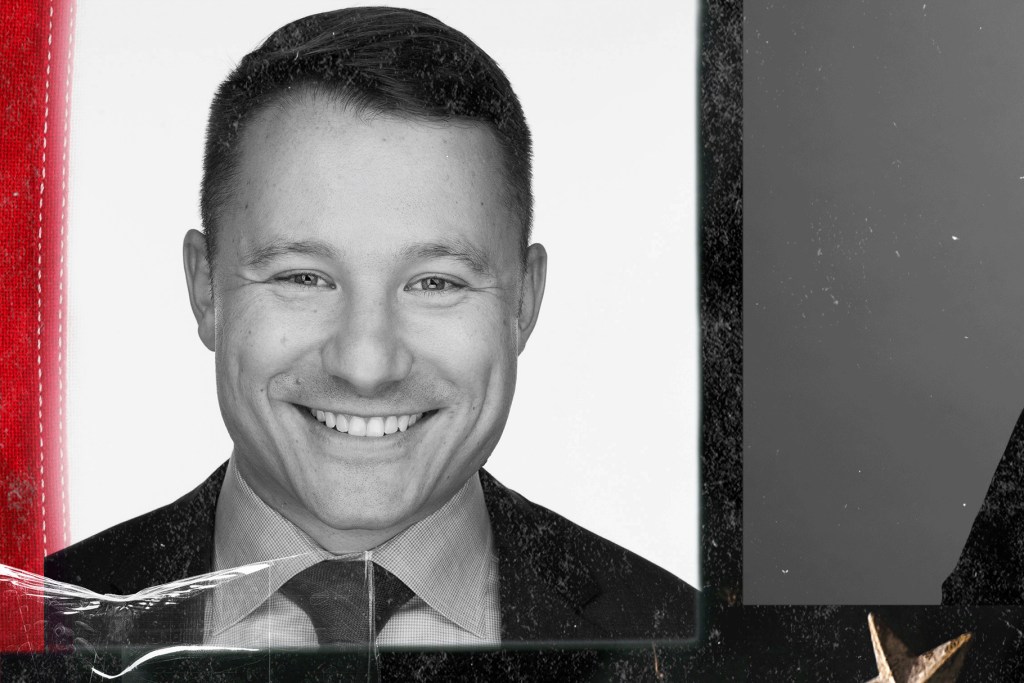
Alberto Ramos
Additional By The People Voices
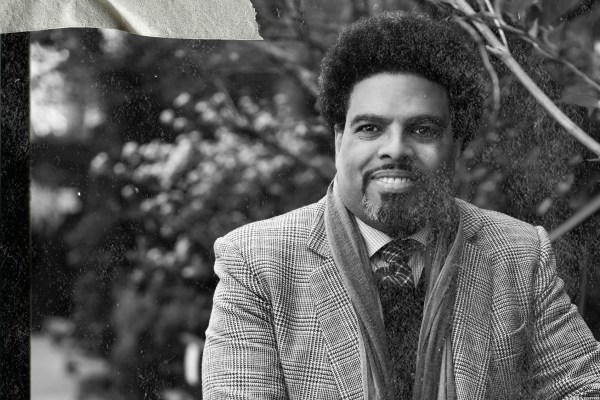
Dr. Darrick Hamilton
Dr. Darrick Hamilton, founding director of Institute on Race, Power and Political Economy at The New School, defines “democracy by the people” as the power to influence societal structures, arguing that democracy necessitates both political inclusion and the resources to thrive.
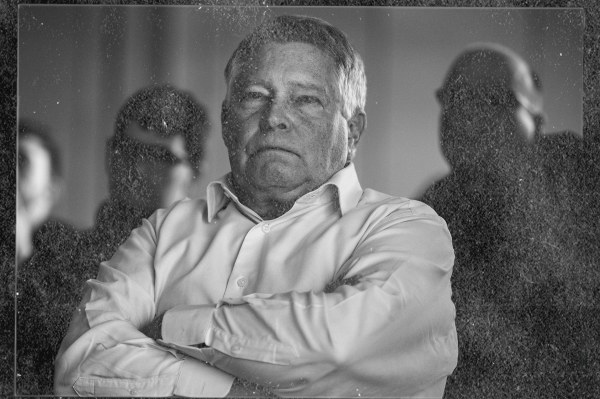
Judge J. Michael Luttig
Judge J. Michael Luttig, lawyer and former judge of the United States Court of Appeals for the Fourth Circuit, urges Americans to summon the collective courage needed to protect democracy and the American promise for future generations.
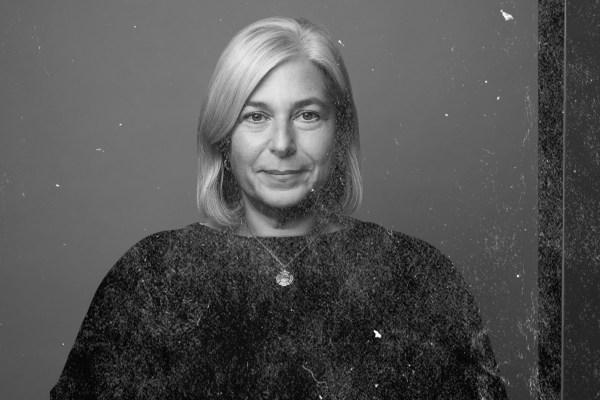
Lori McGlinchey
Lori McGlinchey, Ford’s Technology and Society director, reflects on what AI “by the people” must look like—technology designed to protect fundamental rights, minimize harm, and elevate human dignity.
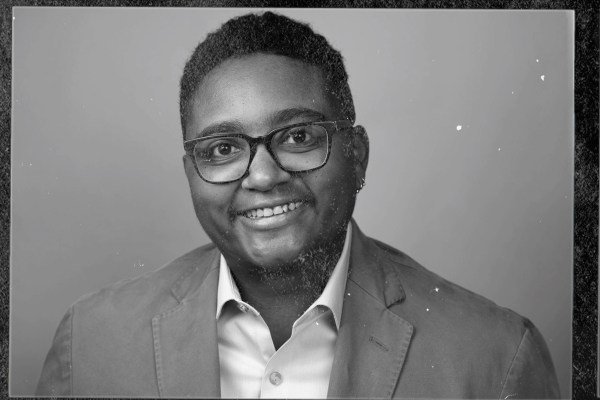
Erica Smiley
Erica Smiley, executive director of Jobs With Justice, reflects on how workers’ ability to shape economic systems and conditions upholds democracy.
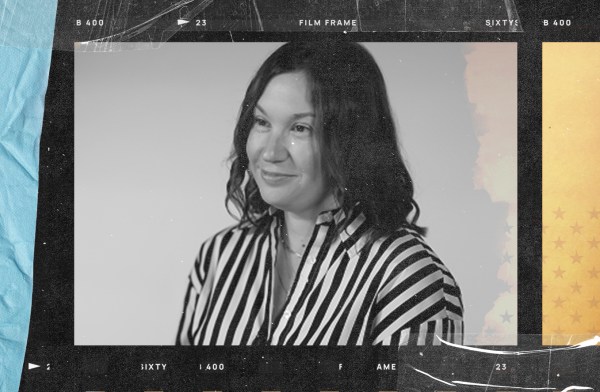
Amy Spitalnick
Amy Spitalnick, CEO of the Jewish Council for Public Affairs, calls for an inclusive, pluralistic democracy that protects the rights of every community, fosters cross-community unity, and addresses extremism through mutual trust and partnership.
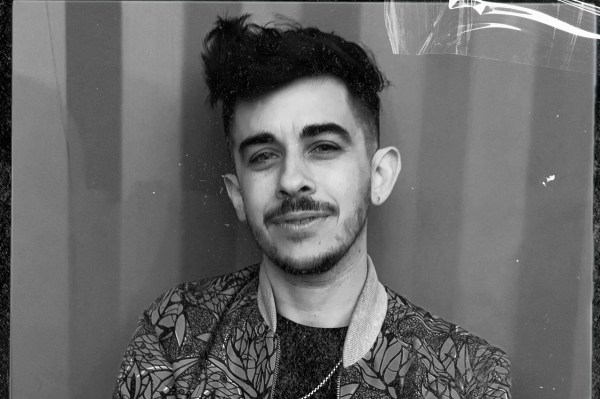
Chase Strangio
Chase Strangio, co-director of the ACLU’s LGBT & HIV Project, reflects on the legal system’s role and its constraints, suggesting that art serves as a pathway for envisioning a new future for the LGBTQ+ community.
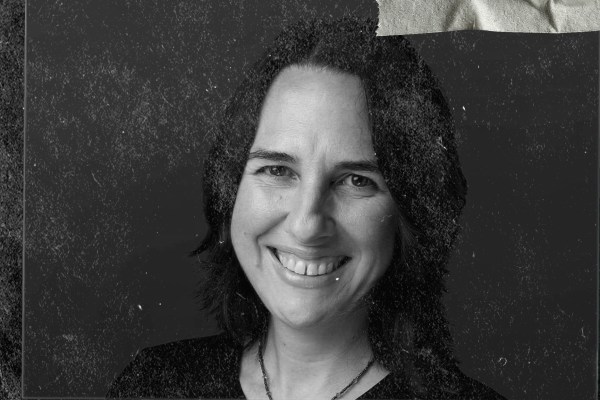
Erika Wood
Ford Foundation senior program officer Erika Wood reflects on the critical need to strengthen the American democratic system to ensure full inclusion, robust participation, and true representation for all.