
Queer African history must be told and documented, featuring Selly Thiam of None on Record

Transcript
[on-screen text: Selly Thiam, Executive Director, None on Record]
[Selly Thiam, a Black woman with glasses, wearing a black shirt and kente cloth pants, addresses the camera.]
SELLY THIAM: Within Africa ourselves, what we need to learn about each other, I think, is the deep level of diversity that we have, particularly when it comes to things that may seemingly be outside of the norm. Queer people have existed in Africa since the beginning of time, and this is something that we as Africans, we need to understand. We’re trying to shift the narrative by creating as much content that just tells our stories and get them out into the world.
[on-screen graphic: Ford Foundation logo]
Accessibility Statement
- All videos produced by the Ford Foundation since 2020 include captions and downloadable transcripts. For videos where visuals require additional understanding, we offer audio-described versions.
- We are continuing to make videos produced prior to 2020 accessible.
- Videos from third-party sources (those not produced by the Ford Foundation) may not have captions, accessible transcripts, or audio descriptions.
- To improve accessibility beyond our site, we’ve created a free video accessibility WordPress plug-in.
“Queer people have existed in Africa since the beginning of time, and this is something we as Africans need to understand,” says Senegalese American journalist, filmmaker, and producer, Selly Thiam. The #AfricaNoFilter fellow is working as part of the Ford-created initiative to shift outdated narratives about Africa.
Thiam has devoted her career to encouraging and giving voice to members of lesbian, gay, bisexual, trans, and queer communities throughout Africa, making sure their personal stories are told, shared, and preserved as an essential part of Africa’s history.
She also founded None on Record, a digital media organization dedicated to amplifying the voices and visibility of African LGBTQ+ people. “We’re trying to shift the narrative by creating as much content that just tells our stories and gets them out into the world,” she says.
Thiam explains that there’s a level of silence around African LGBTQ+ experiences. “There’s an idea that we are un-African, that we don’t exist. So, when we started this project, it was very difficult to find queer stories, and we don’t want that to continue to happen,” she says. “If communities are documented—even through oral histories, audio-based oral histories, small documentaries that they’re making—then there becomes a record, a record of our existence, and that’s why it’s really important to empower communities to basically tell their stories.”
Thiam is part of the #FutureIsHers multimedia series of interviews, essays, and more, celebrating the innovators, risk-takers, and change-makers the Ford Foundation has proudly supported and the impact they’ve had on the lives of women and girls everywhere. Despite the many challenges women and girls face, around the world they’re rising up. Determined and persistent, they’re leading the way in showing us what gender justice looks like, disrupting inequality and creating a world where social change is possible: The future is hers.

These videos are part of our featured series, The Future Is Hers, celebrating the power of women and girls around the world.
Other videos in this series
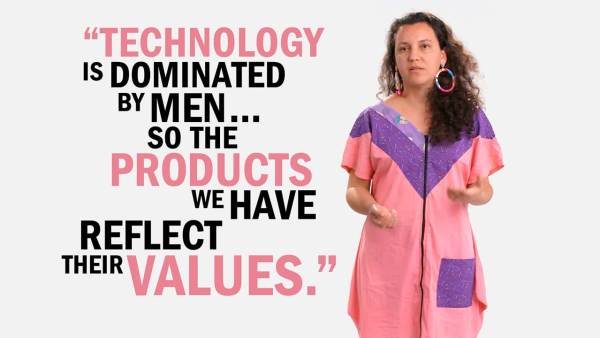
Technology is dominated by men, featuring Steffania Paola Costa di Albanez, a Ford Mozilla Open Web fellow
In technology, women’s needs and values should matter just as much as men’s do, says Steffania Paola Costa di Albanez. The Ford Mozilla Open Web Fellow is working to make all platforms more welcoming to women, particularly Black women, and designed to help fight gender inequality.
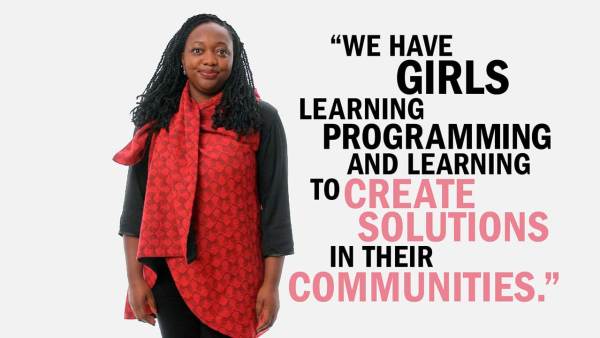
Girls in tech lead in Colombia, featuring Paula Moreno of Corporación Manos Visibles
Empowering women in technology can help address the issue of gender inequality. The first Afro-Colombian woman and the youngest person to lead a cabinet-level ministry in Colombia, Paula Moreno is encouraging young women to become the next generation of leaders in tech and beyond.
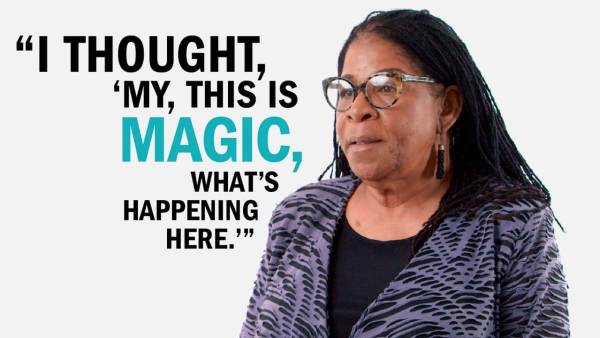
Ending recidivism by helping women leave prison for good, featuring Susan Burton of A New Way of Life Reentry Project
Women leaving the criminal justice system face nearly insurmountable hurdles. They need support to not reoffend and get caught up in the prison cycle. According to Susan Burton, founder of A New Way of Life Reentry Project, expanding opportunities for women leaving prison can help end recidivism and create prison…
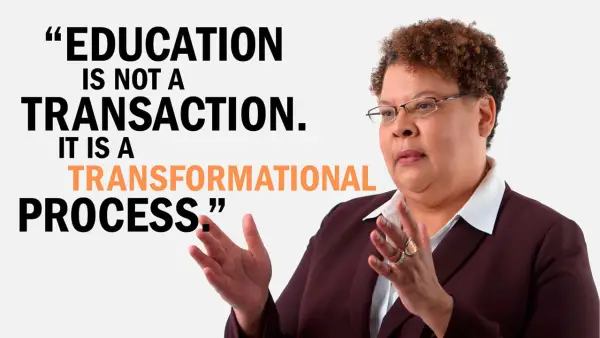
Education is transformational, featuring Vivian Nixon of College & Community Fellowship
College & Community Fellowship’s Vivian Nixon believes education has the power to transform lives. To end mass incarceration and empower overlooked communities, Nixon is working to change the way society views formerly incarcerated people by helping women with criminal histories gain access to quality education.
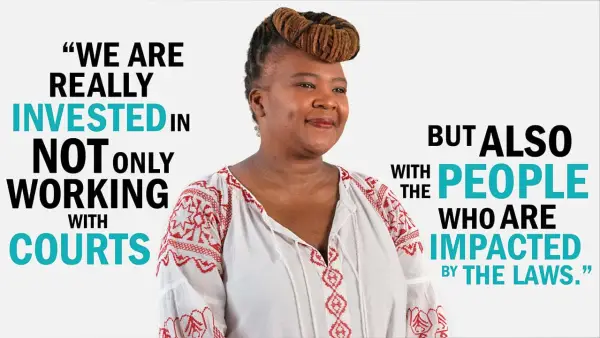
Change for LGBTQIA people in South Africa, featuring Sibongile Ndashe of Initiative for Strategic Litigation
Violence against LGBTQIA people in Africa needs to be addressed beyond legal and policy changes, says human rights lawyer Sibongile Ndashe. She advocates for working with people affected by the law to disrupt inequality and create lasting social change.

Women need prison reform, featuring Elizabeth Swavola, Vera Institute of Justice
To achieve gender justice, Elizabeth Swavola believes prison reform for women in the U.S. jail system is critical. Swavola, as part of the Vera Institute of Justice, is working to make sure prisons are reaching and supporting women just as they do men.
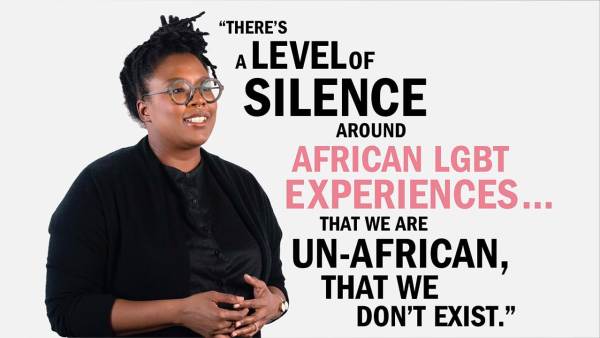
African LGBTQIA voices exist, featuring Selly Thiam of None on Record
Documenting overlooked communities is essential to disrupting inequality. African LGBTQIA voices exist—and need to be heard, says journalist and filmmaker Selly Thiam. By sharing their perspectives and encouraging them to tell their stories, we recognize their existence and begin to capture a fuller, more accurate picture of an equitable society.
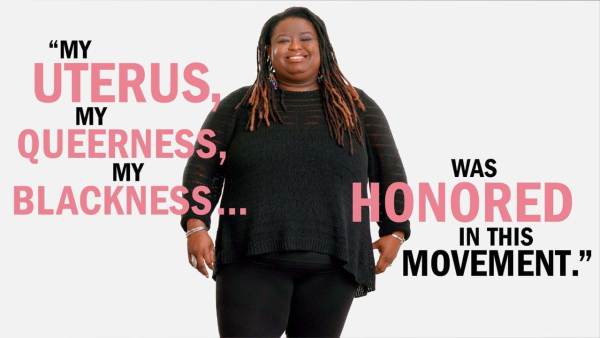
Reproductive justice movement is my political home, featuring Monica Simpson of SisterSong
Monica Simpson found her calling when she established SisterSong, an organization that focuses on the reproductive rights of women in marginalized communities. She explains how the reproductive justice movement, with its intersectional framework, is key to gender equality.
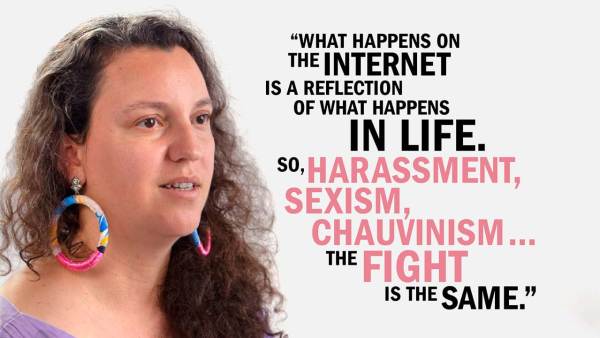
Fighting sexism on the internet, featuring Steffania Paola Costa di Albanez, a Ford Mozilla Open Web fellow
Women need safe spaces on the internet. Steffania Paola Costa di Albanez believes gender inequality is possible when we address the issues women face online, which are the same as they face in real life, such as sexism, harassment and violence.
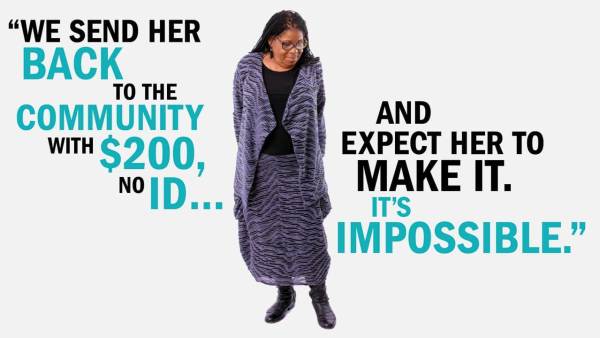
The criminal justice system is costly and unfair, featuring Susan Burton of A New Way of Life Reentry Project
The criminal justice system creates a burden on the U.S. economy with the amount of money it spends on corrections. Susan Burton, who founded A New Way of Life Reentry Project, advocates for prison reform by expanding the opportunities extended to formerly incarcerated women.
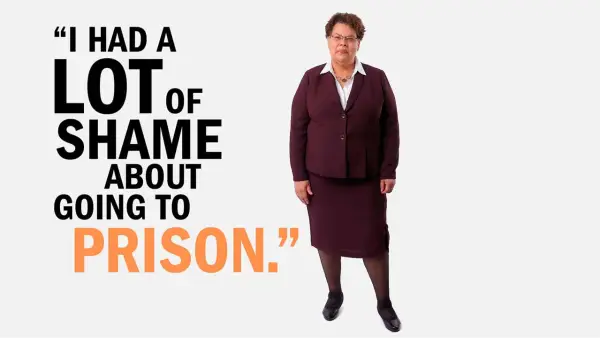
How education can reform our prisons, featuring Vivian Nixon of College & Community Fellowship
College & Community Fellowship’s Vivian Nixon knows firsthand how higher education can be transformational in reforming America’s prison system. She helps women with criminal histories gain access to quality education to end mass incarceration and empower overlooked communities.
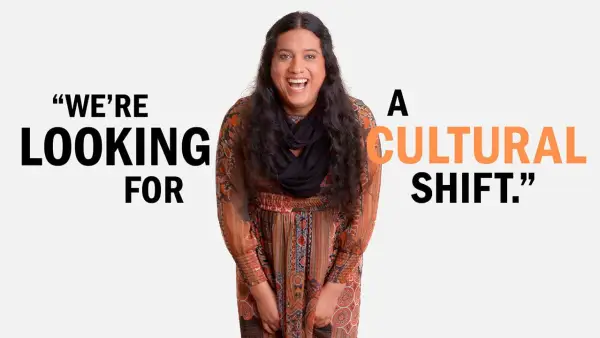
For trans people to achieve equal rights, we need a cultural shift, featuring Isa Noyola, Transgender Law Center
A cultural shift, in which people understand gender in all its complexities, is essential for equality, explains trans activist Isa Noyola. She says trans people deserve equal rights before the law and also within society at large.
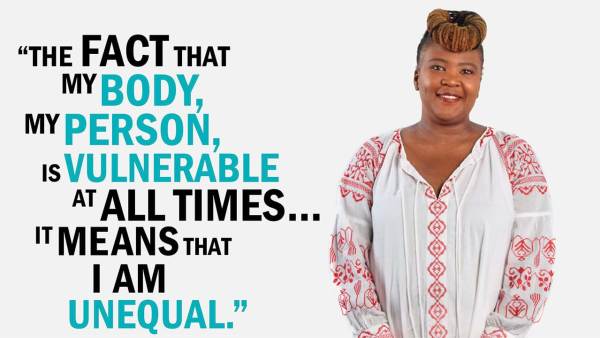
Equal rights means not being attacked, featuring Sibongile Ndashe of Initiative for Strategic Litigation
Inequality exists wherever LGBTQIA people are attacked and prevented from participating in society. For Sibongile Ndashe of the Initiative for Strategic Litigation, LGBTQIA rights are human rights that need to be protected and upheld to advance social justice.
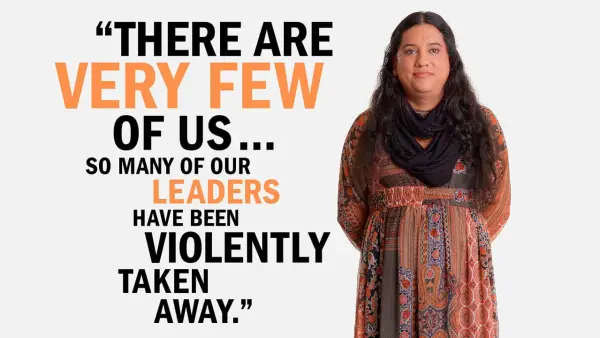
Trans leaders violently taken away for their activism, featuring Isa Noyola, Transgender Law Center
Trans activists face unique, at times dangerous challenges when they choose to speak out for justice. Trans activist Isa Noyola shares what it’s like to lose people when fighting for social change, valuable voices violently taken away trying to advance trans rights.
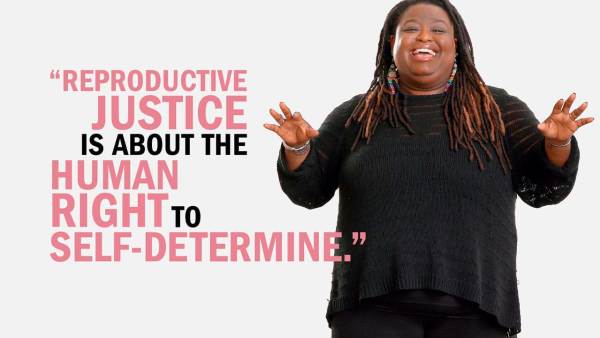
Reproductive justice is the right to self-determine, featuring Monica Simpson of SisterSong
Reproductive justice is an intersectional framework created by women of color to help organize communities around issues of inequality and social change. As artist Monica Simpson explains, reproductive justice is about the human right to self-determine—and is essential for gender equality.

Power as a way of serving society, featuring Paula Moreno of Corporación Manos Visibles
As the first Afro-Colombia woman and the youngest person to lead a cabinet-level ministry in Colombia, Paula Moreno is no stranger to breaking barriers. She sees power as a way of serving society, and is cultivating a new kind of leadership in her country through the work of Corporación Manos…
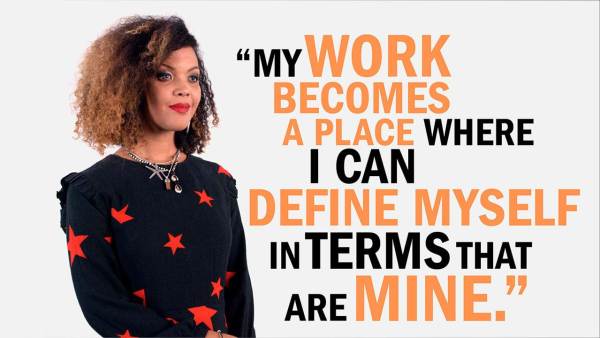
Finding equity through art, featuring Phoebe Boswell, an #AfricaNoFilter fellow
Art has allowed #AfricaNoFilter fellow Phoebe Boswell the space to explore both her identity and the collective identities she feels connected to in her life. To her, art is a powerful tool that can help address race, gender and class inequalities.
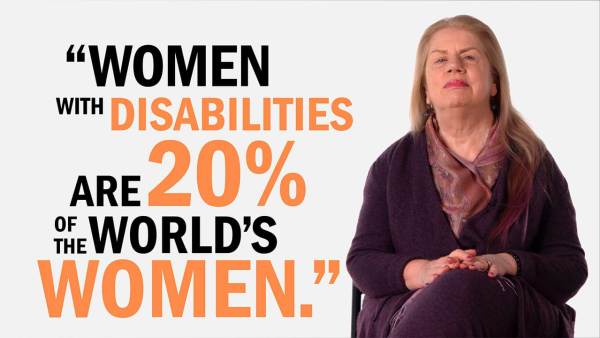
We need disability justice now, featuring Stephanie Ortoleva of Women Enabled International
Women with disabilities make up 20% of the world’s female population. Human rights lawyer Stephanie Ortoleva says the voices of women and girls with disabilities need to be centered because of their potential as change agents in the fight to end inequality.
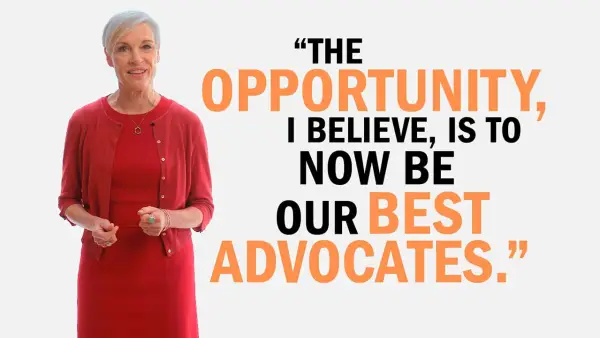
Women are critical to our economy and future, featuring Cecile Richards, Planned Parenthood
For the first time in history, women make up more than half the global workforce. Feminist Cecile Richards believes this pivotal moment calls us to recognize the critical role women play in the economy—and in building a just, sustainable future.
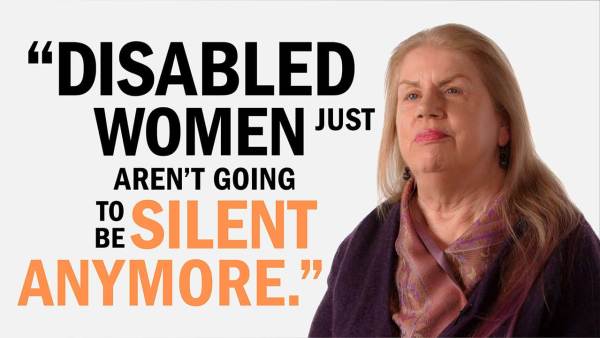
Disabled women matter, featuring Stephanie Ortoleva of Women Enabled International
Gender justice needs to include people with disabilities, and disability rights need to include women. Women Enabled International’s Stephanie Ortoleva says women and girls with disabilities deserve advocacy, protection and education so they can lead self-determined lives.
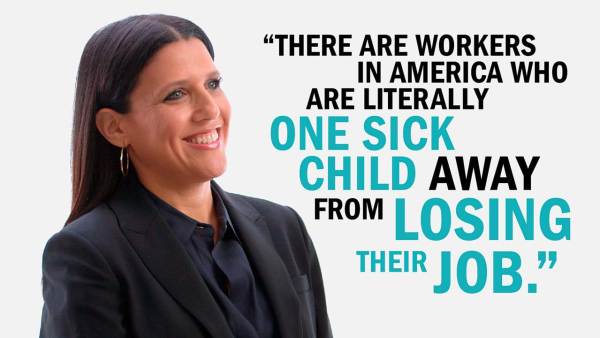
A vision for workers’ rights, featuring Dina Bakst, A Better Balance
A longtime advocate of workers’ rights, Dina Bakst believes that workplace equity needs to be addressed with an intersectional lens. Economic justice can’t be achieved without tackling issues of maternal health, reproductive health, and racial inequity. To Bakst, workplace equity is a fundamental right for all Americans.
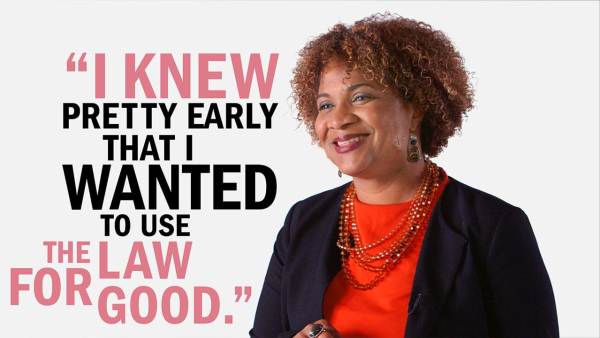
Creating equality through the law, featuring Fatima Goss Graves, National Women’s Law Center
Fatima Goss Graves of the National Women’s Law Center believes creating equality through the law is possible. She credits her family’s activism in the civil rights movement as the inspiration for her own trajectory to become the first lawyer in her family and an advocate for human rights and social…
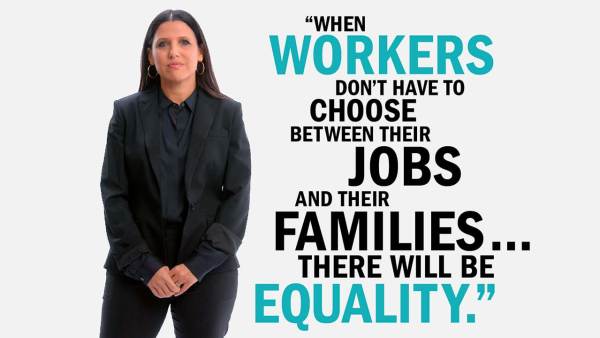
We need to build an economy that supports all workers, featuring Dina Bakst, A Better Balance
Equality is a fair and stable economy that supports the rights of millions of American workers. Dina Bakst of A Better Balance has a vision for building an economy where workers across the economic spectrum are able to care for themselves and their families without risking their jobs.
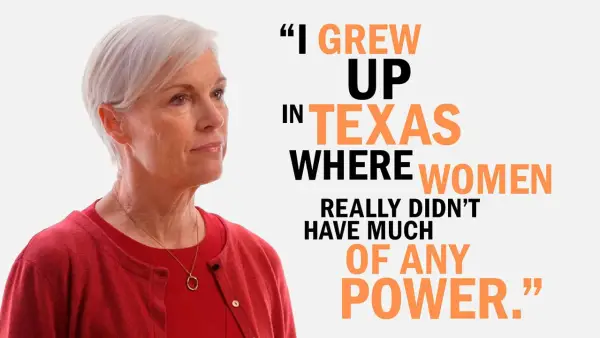
We need more women in government, featuring Cecile Richards, Planned Parenthood
Cecile Richards, feminist and former president of Planned Parenthood, was inspired by her late mother, the former governor of Texas, to push for more women in government. She believes we need to create more opportunities to see women in government at both the state and federal level.
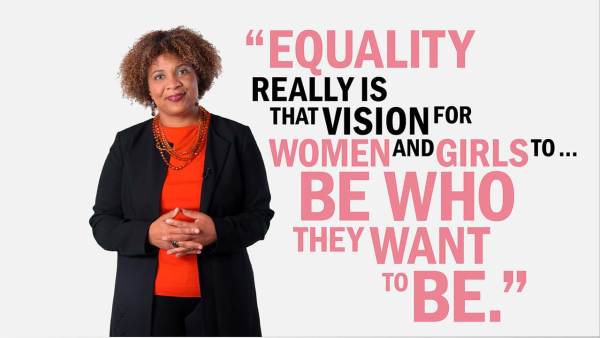
Equality is women and girls living free from discrimination, featuring Fatima Goss Graves, National Women’s Law Center
Fatima Goss Graves of the National Women’s Law Center finds inspiration in seeing young, Black activists exercise their power. She envisions a future where women and girls realize full equality and are free from discrimination.
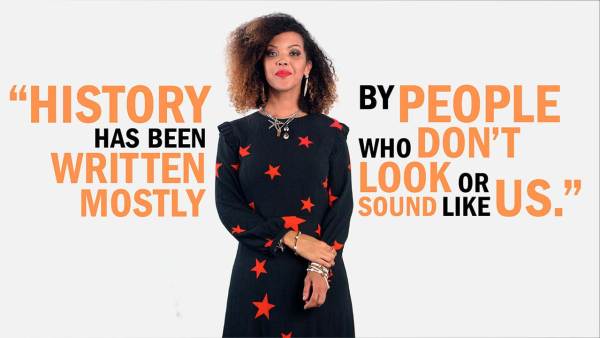
Africa needs to tell its own stories, featuring Phoebe Boswell, an #AfricaNoFilter fellow
Africans can change the narrative around Africa and drive social change. Visual artist and #AfricaNoFilter fellow Phoebe Boswell advocates for Africans to take ownership of their history, their stories and their futures.
It’s time for prison reform in the U.S., featuring Elizabeth Swavola, Vera Institute of Justice
America’s criminal justice system urgently needs reform, says attorney Elizabeth Swavola. The system now hurts individuals and families and prevents them from living in a just and equitable society. We need to shift thinking to make sure reform is designed to dismantle inequality.
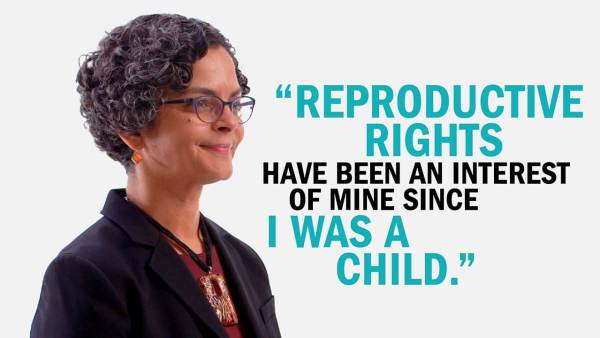
Reproductive rights are human rights, featuring Lourdes Rivera of the Center for Reproductive Rights
Lourdes Rivera of the Center for Reproductive Rights believes women should have agency over their bodies. As a longtime advocate for women, she maintains that gender equality can only become a reality when society treats reproductive rights as human rights and protects them with law.
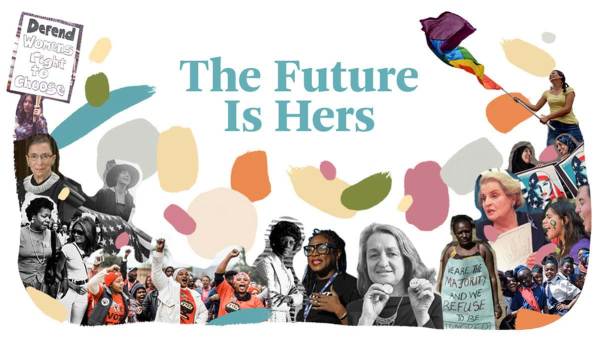
The #FutureIsHers – Join us, on our campaign to reimagine what equality looks like
Around the world, women have become an unstoppable force for social change. They are rising up to create solutions to the biggest issues facing society, from institutional racism to abortion rights. In the #FutureIsHers, we spotlight the women rewriting the rules, redefining power and reimagining what equality looks like.
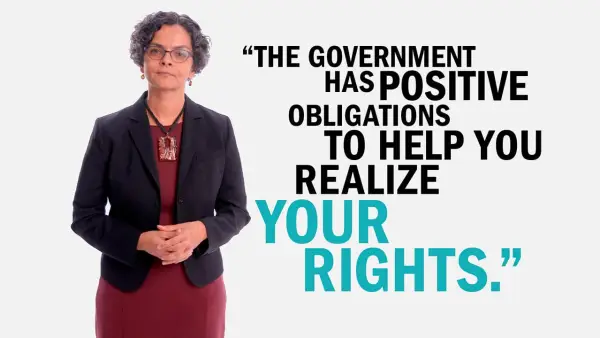
The government should help you realize your rights, featuring Lourdes Rivera of the Center for Reproductive Rights
Women having individual agency over their bodies is an essential part of gender equality. But, reproductive justice advocate Lourdes Rivera believes, the government has a role to play in fighting inequality by helping secure human rights for all citizens.