
Across rural America, democracy is upheld from the community level up—and when organizers lack infrastructure and support, the effects are wide-ranging. In towns where Main Streets have gone dark, grocery stores have closed, and residents are moving away, communities need spaces and structures that allow people to come together, work through differences, and solve shared problems.
The Trust for Civic Life, a Ford grantee, invests in local efforts that help people connect and create their community’s future together, strengthening civic life and democracy for all residents. The organization’s grantmaking model is built around the core belief: that national problems are solved in local communities. Central to that is a structure the Trust calls “Civic Hubs”: locally based, locally led organizations that create the culture and conditions for people to discuss the decisions that affect them most and act together toward meaningful change. Here, Charlie Brown, executive director of the Trust for Civic Life, discusses their approach and the lessons they’ve learned from communities across the Heartland.
The Power of “Civic Hubs” to Unlock Action
When we were designing the Trust for Civic Life’s grantmaking model prior to our launch in 2024, the team spoke with more than 60 leaders and practitioners in rural communities to understand who was most building trust and belonging at the local level. What we heard was strikingly consistent: People pointed to local groups that played a similar role in community life, even though their missions, structures, or programs looked different on the surface.
We call these groups “Civic Hubs,” and we see them as essential to rebuilding trust in the U.S. and strengthening democracy. They are always locally based and locally led, with deep credibility and relationships that can’t be imported from the outside. That trust and staying power make all the difference, especially in rural communities. These are groups that unlock action, rather than direct it. They don’t arrive with a fixed agenda or a one-size-fits-all solution. Instead, they create the culture and conditions for people to decide together what matters most and to act on it.
While Civic Hubs may look different from place to place, they share three common traits: They champion a shared vision for their community. They create real opportunities for people to work together, often across differences. And they build local capacity by providing resources, space, and leadership support so ideas can actually move forward.
Reactivating Public Space: A Lesson From Utica, Mississippi
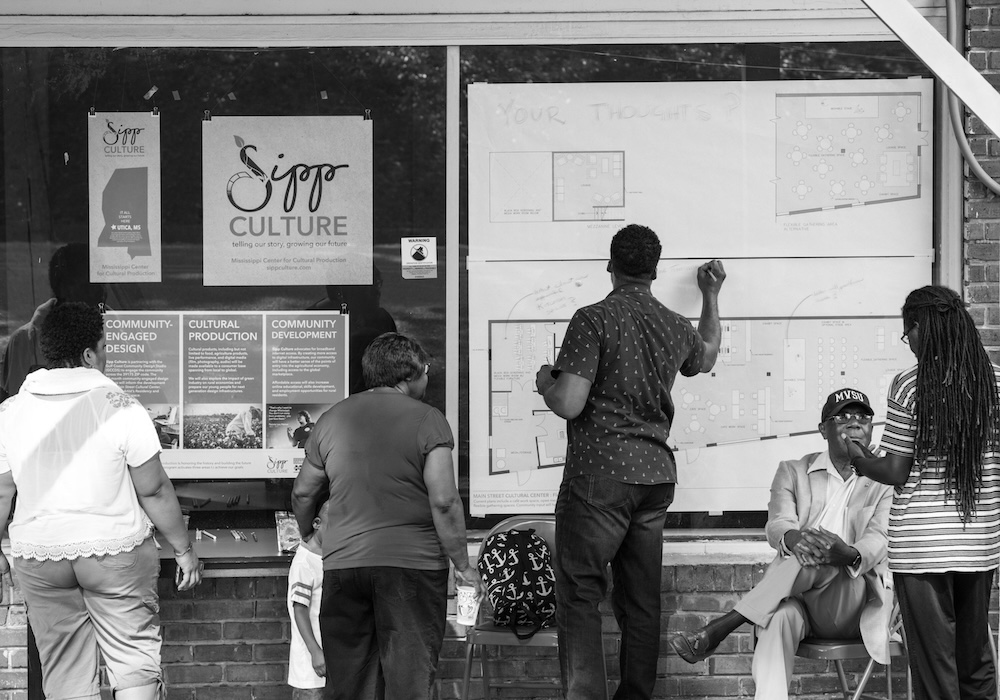
One example from our network comes from Utica, Mississippi. Like many small towns in rural areas, Utica was dealing with some really tough challenges. Its Main Street had gone dark, its only local grocery store had left, and many residents were moving away.
A local Civic Hub called SIPP Culture stepped in, encouraging residents to ask each other a simple question: “What do we want Utica to become?” Through that process, the community rallied around the idea of revitalizing downtown as a regional arts and food hub and came up with a plan to make it happen. One very tangible outcome was turning an empty auto parts building on the corner of Main Street into a new cultural center where community members can meet up, collaborate, share meals, and access economic opportunities. It’s now a vibrant, inspiring place, and reactivating it helped restore a sense of possibility about the town’s future.
Public spaces like this matter everywhere, but they’re especially essential in rural areas, where fewer natural gathering points mean the libraries, parks, and Main Street buildings often do a lot of heavy lifting. They’re where people meet someone outside their usual circle, where ideas get shared, and where collective problem-solving can actually happen. Public spaces are core civic infrastructure. They make participation possible, and that participation is what builds trust, belonging, and belief that everyone’s voice matters.
How Local Civic Life Counters National Polarization
National problems don’t get solved at the national level alone; they get solved in local communities. That belief is at the core of all our work. Polarization and isolation grow when people see each other only through national narratives that feel distant, abstract, and often adversarial.
Local civic life is a way to change the dynamic. When people come together around a concrete, local problem and a commitment to their shared future, the labels and divisions that dominate national politics tend to fade into the background. By investing in local organizations that help people work together, more Americans have opportunities to listen, collaborate, compromise, and lead with those outside their immediate circle. Those are democratic skills, and they can’t be learned off a website or imposed from the top down.
Just as importantly, when people see real progress where they live and work, it restores a sense of agency. They begin to believe that participation matters and that change is possible. That sense of shared accomplishment cuts through cynicism and isolation and replaces it with belonging and confidence in one another. Over time, that local experience can have national implications. Communities that know how to work through differences are more resilient, less susceptible to the forces that thrive on division, and capable of sustaining a healthy democracy.
The Resource Gap: Funding and Coordination
Across rural America, there are incredibly capable local groups that are increasing civic participation, creating real opportunities for people to work together, and helping communities solve shared problems. The challenge isn’t a lack of ideas, strategies, or willingness; it’s that these types of efforts are traditionally underfunded and often overlooked by national philanthropy. That underinvestment slows everything down. Local leaders have to spend time chasing short-term funding instead of deepening their work, and efforts that have impact may not get the support they need to continue long-term.
There’s also a coordination gap. Many of these local groups are doing the right things, but they’re working in isolation, often unaware of others in their region doing similar work. Funding efforts remain fragmented.
To accelerate progress, we need greater investment in locally led efforts and stronger coordination among funders so resources reach the Civic Hubs that are often operating under the radar. The Trust for Civic Life has built a new model to connect national philanthropy to local efforts efficiently, strategically, and at scale so proven community leaders can focus on what they do best: strengthening civic life where it matters most.
Building Democracy and Resilience From the Ground Up
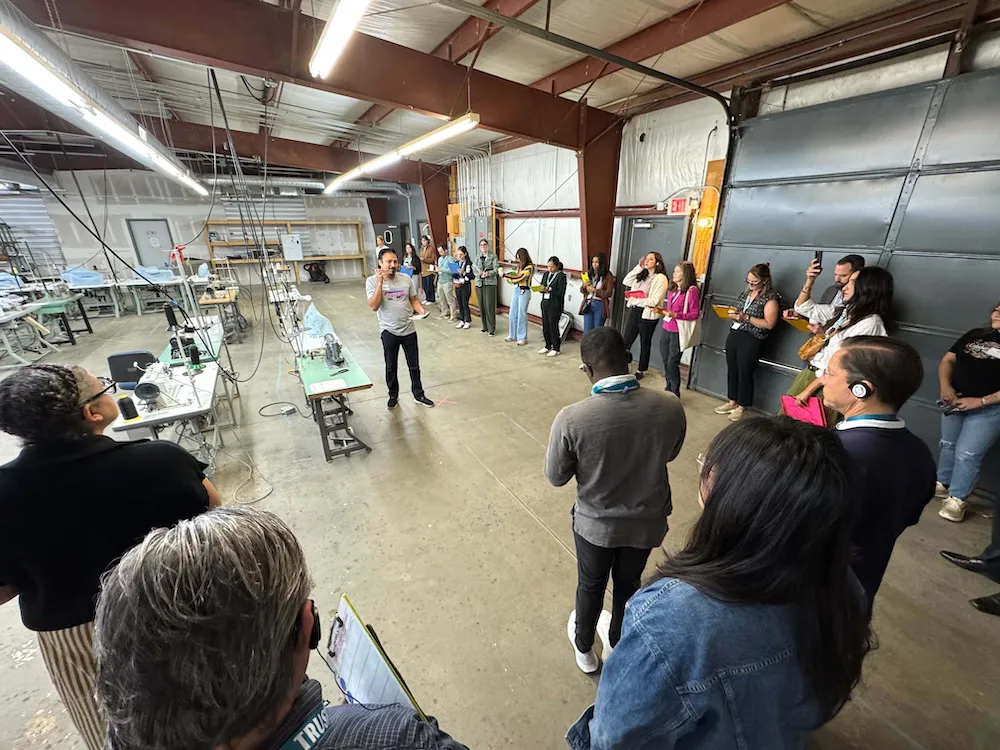
Last fall, Trust for Civic Life funders traveled to Western North Carolina to visit several grantees one year after Hurricane Helene, and the visits made it clear just how critical sustained investment in local civic life is, especially when communities are tested by crisis.
In one community, we saw a mobile home cooperative where residents are sharing ownership and making decisions together, quietly practicing democratic skills through everyday governance. In another small town hard-hit by the storm, recovery came faster than expected—not because the damage was minor, but because years of intentional trust-building and engagement by a local Civic Hub had already laid the groundwork. When the hurricane hit, people knew how to organize, collaborate, and move quickly to reopen their town.
These visits underscored something we see again and again: A strong local civic foundation doesn’t just support communities in good times, it makes resilience possible when things go wrong. It’s a powerful reminder that democracy is not abstract. It is built, practiced, and sustained in real places by people who are deeply committed to one another.