
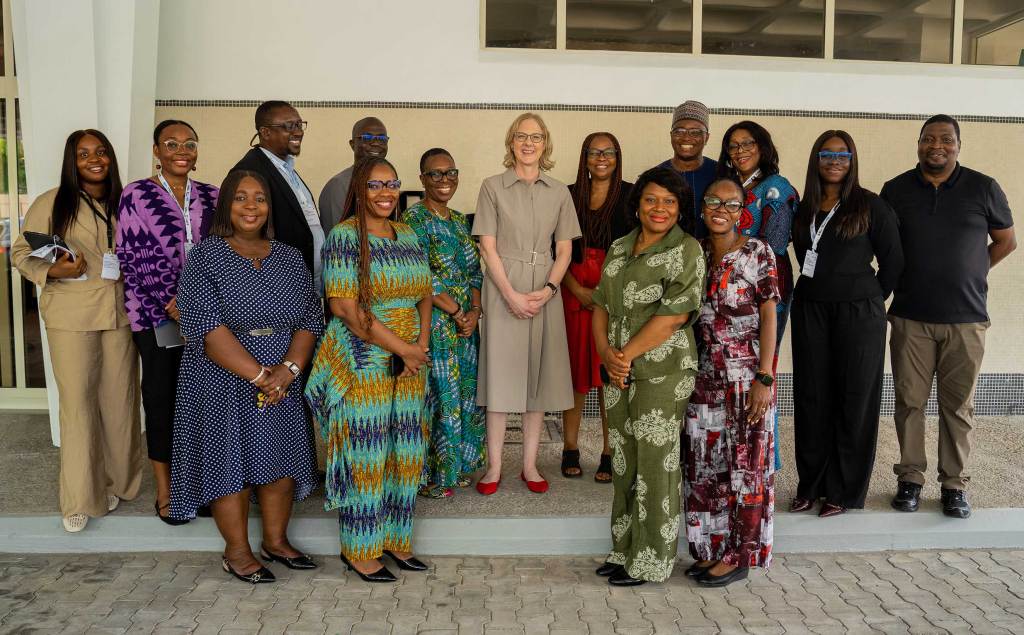
For 65 years, the Ford Foundation has partnered with the people of West Africa, through independence, through transitions, and through powerful movements for equity, democracy, and social justice.
It was an honor to be in Nigeria earlier this month to visit our West Africa office and meet remarkable colleagues, grantees, and partners who continue to shape the region’s story. They are advancing climate justice in courtrooms and forests, working with young people to strengthen democratic institutions, and building safer communities for women and girls.
I experienced the country’s joy, captured by talented spoken word artists, singers, and dancers. I heard stories of courage, responsibility, and quiet leadership: all reminders that philanthropy is at its best when it unlocks the power already present in communities.
A Gathering of Cultural Custodians
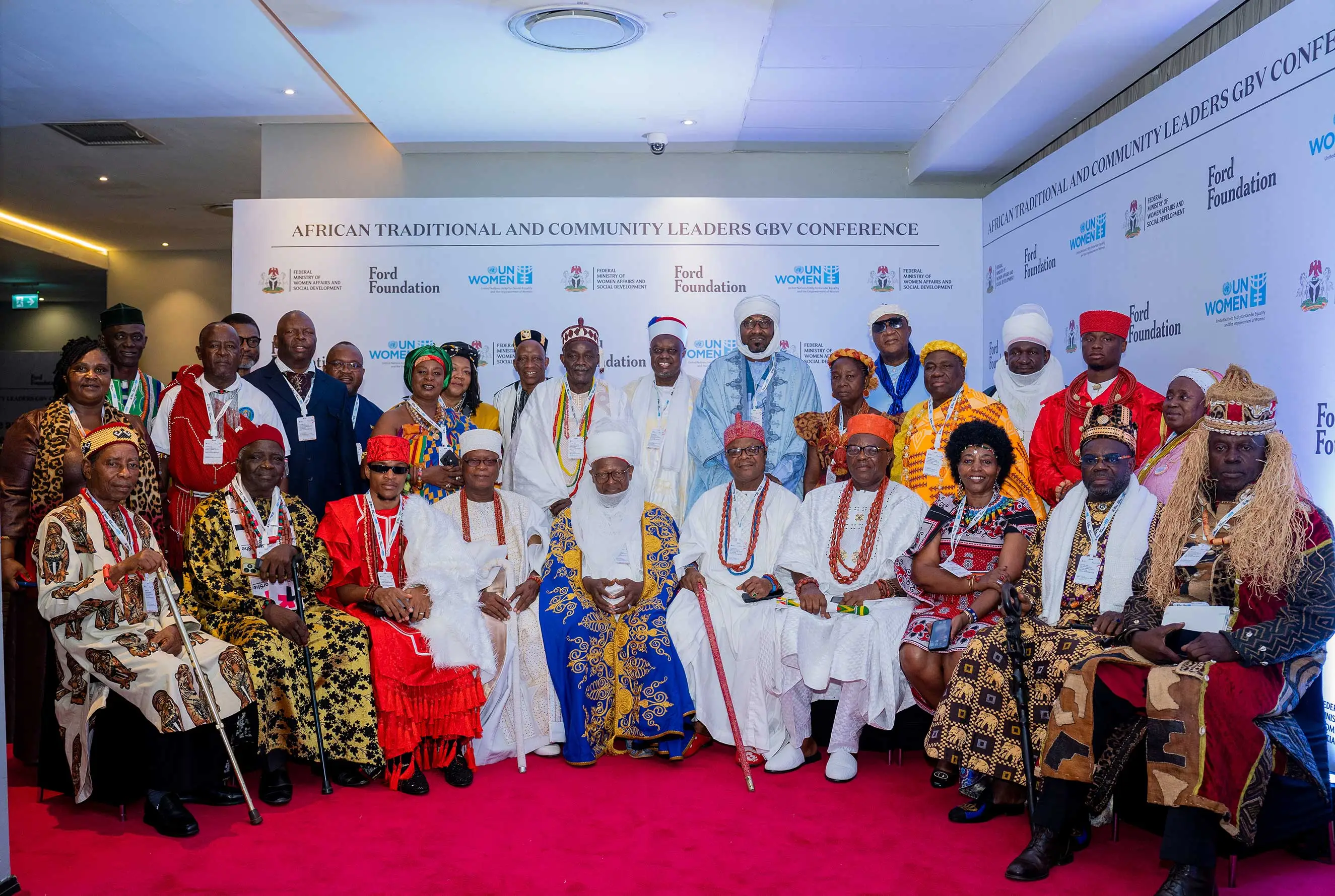
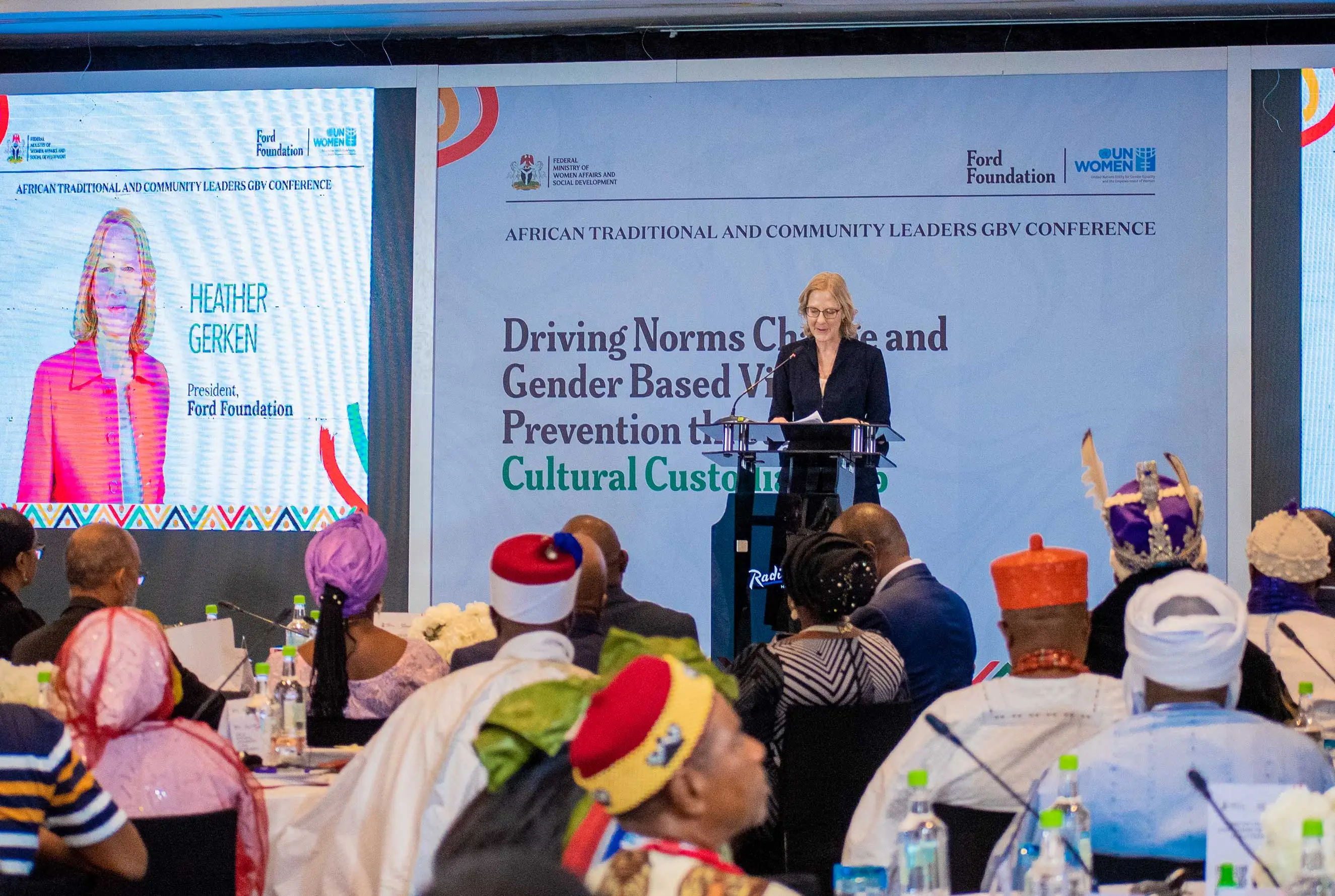
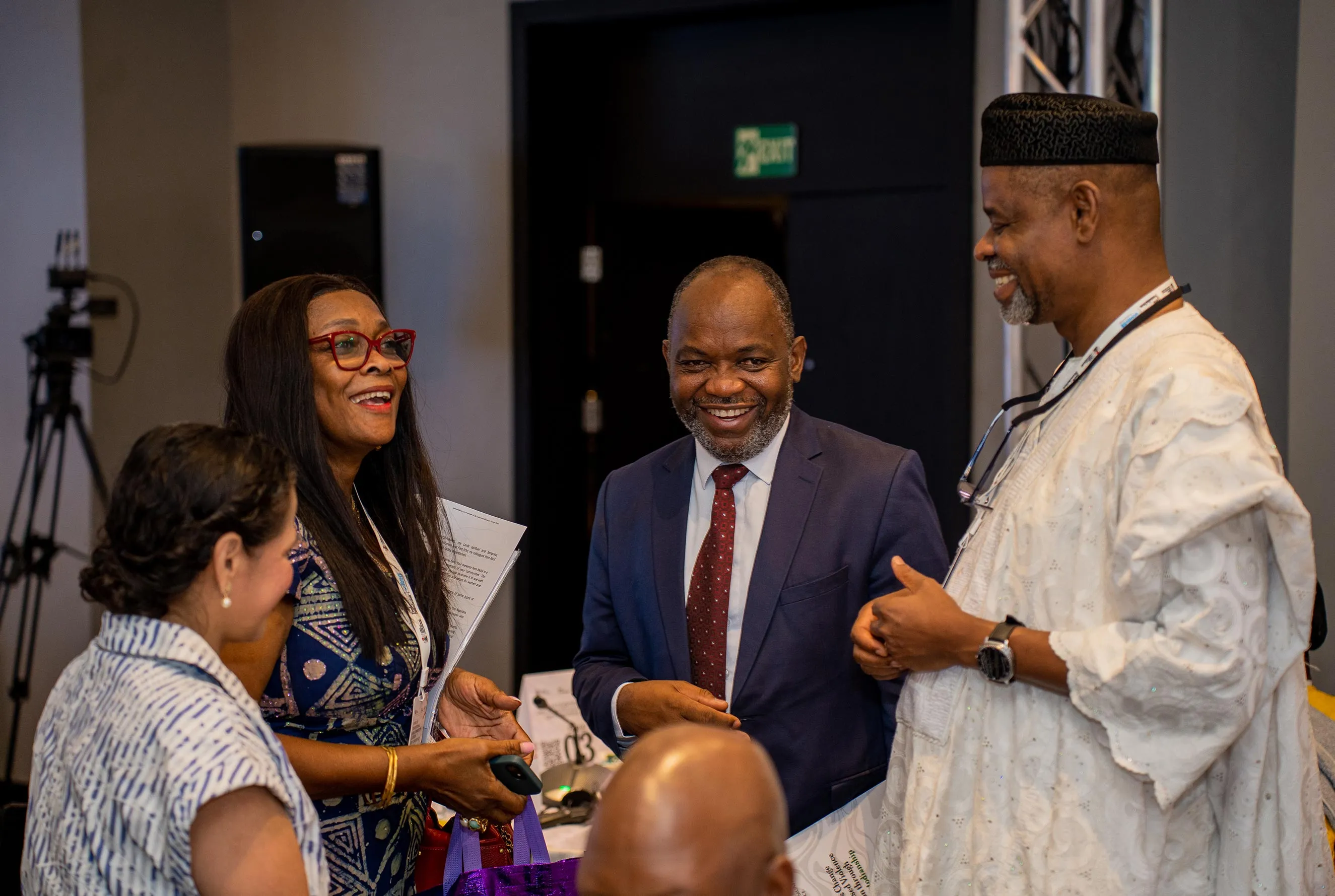
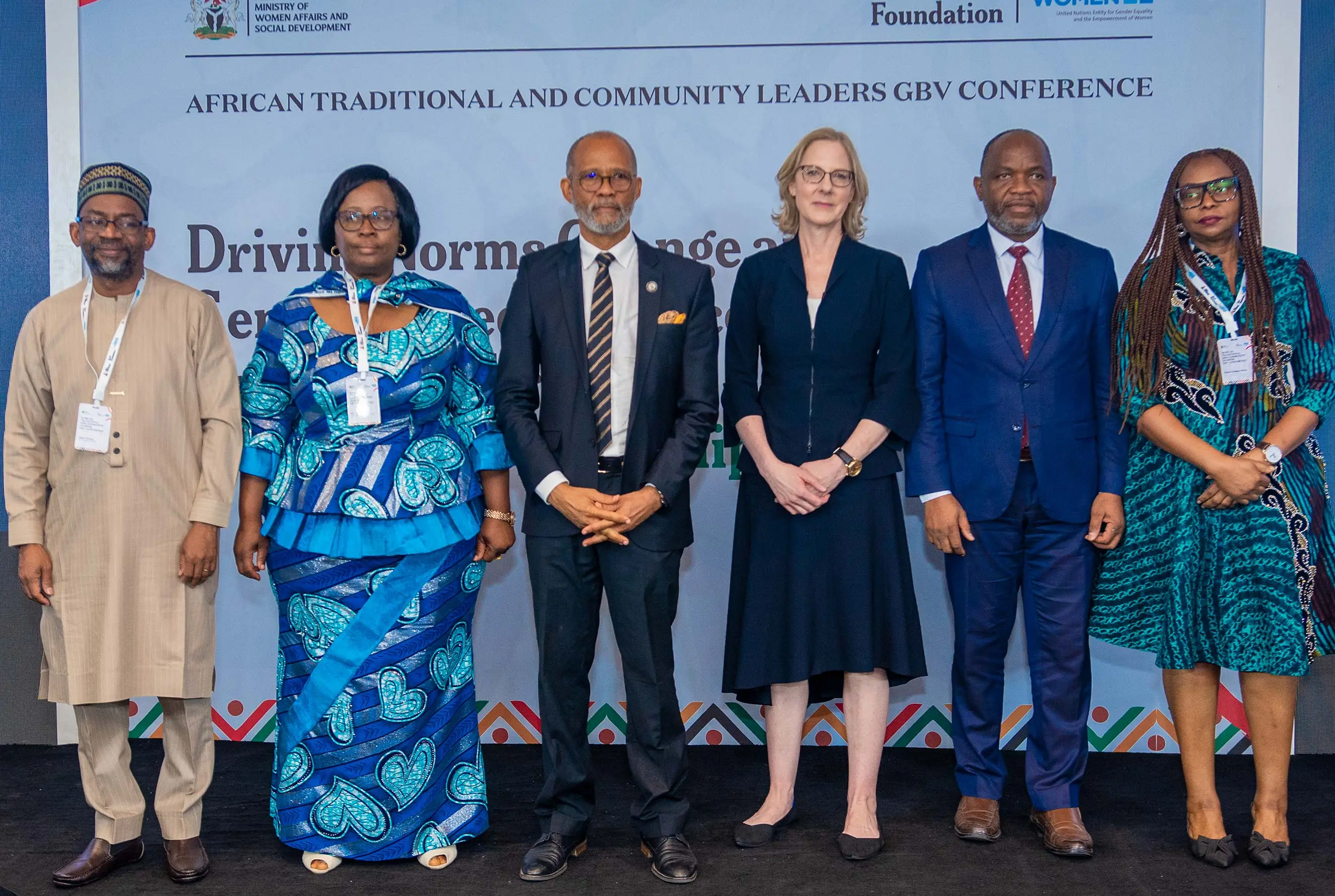
I was delighted to join traditional rulers from more than 20 African countries for an inspiring conference, organized in partnership with UN Women and in collaboration with Nigeria’s Federal Ministry of Women’s Affairs and Social Development.
As custodians of culture, these leaders are taking bold steps to address the root causes of gender-based violence, which affects one in three women in their communities. From amending community guidelines to protect a widow’s right to remain in her home to abolishing female genital mutilation, they are helping to transform harmful cultural norms in their communities so women and girls can be safe to live to their fullest potential.
Their commitment is a powerful reminder that culture is not static: It evolves, and those entrusted with preserving it are uniquely positioned to guide its evolution toward dignity and justice.
Energy Governance By and For Communities
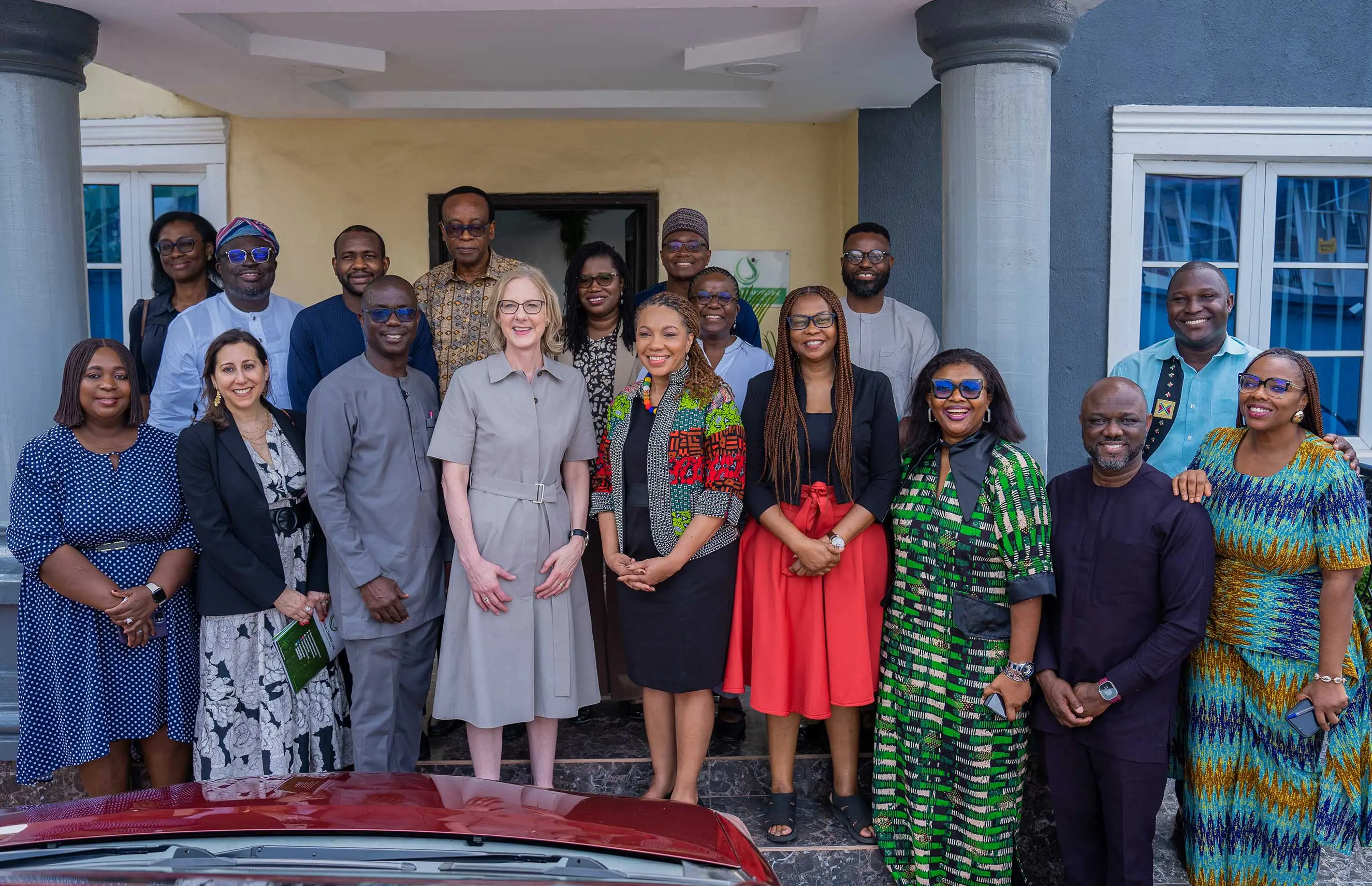
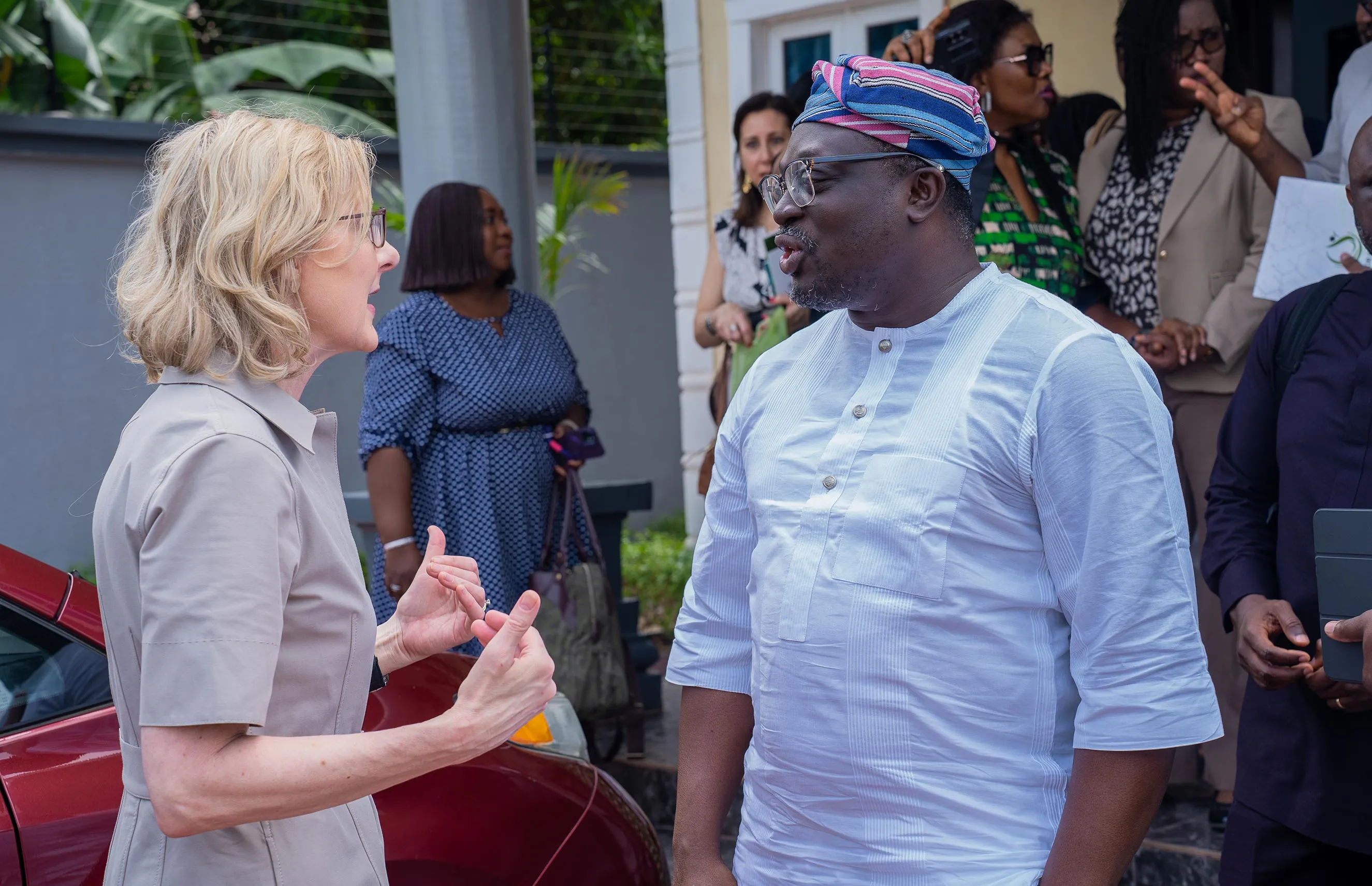
The next day, at a gathering hosted by Spaces for Change, we joined a number of grantee partners who are working to advance climate justice across Nigeria, Senegal, and Ghana.
Nnimmo Bassey of the Health of Mother Earth Foundation and Oluseun Onigbinde of BudgIT described how the climate crisis—and the pollution driving it—too often prevents communities from shaping the decisions that impact their lives. For them, true progress means repairing the historical environmental damage caused by decades of fossil fuel extraction in places like the Niger Delta and ensuring that oil revenues are reinvested into local community infrastructure like schools and clinics.
Meanwhile, leaders like Lanre Shasore of Sustainable Energy for All and Daryl Bosu of A Rocha Ghana explained that the transition to clean energy hinges on its ability to support communities—whether it can expand access to electricity that enables small businesses to thrive and farmers to process crops, without sacrificing vital ecosystems.
Collectively, their work demonstrates that energy governance can be a tool for shared prosperity when communities have a real say in its development.
The Future of Development
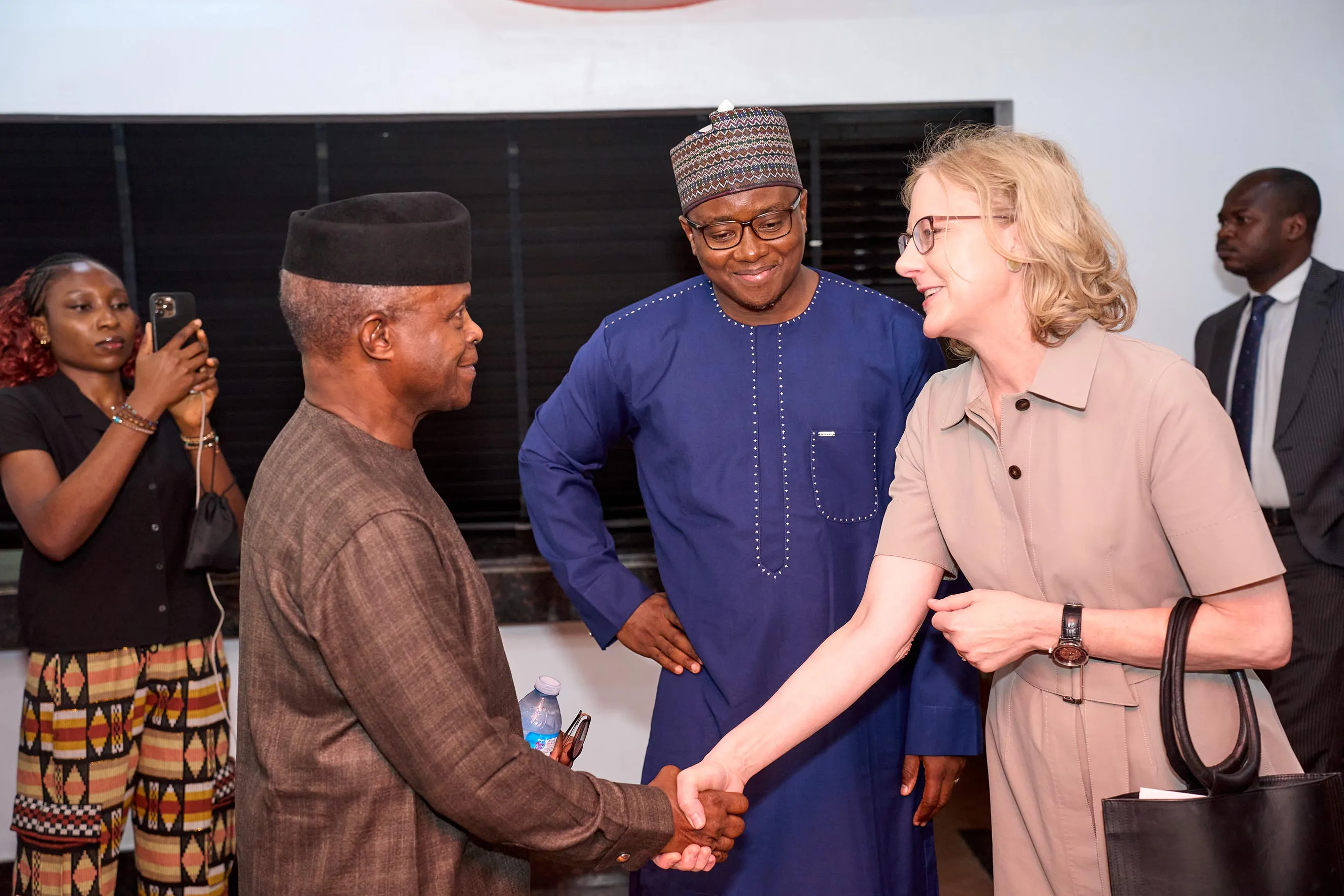
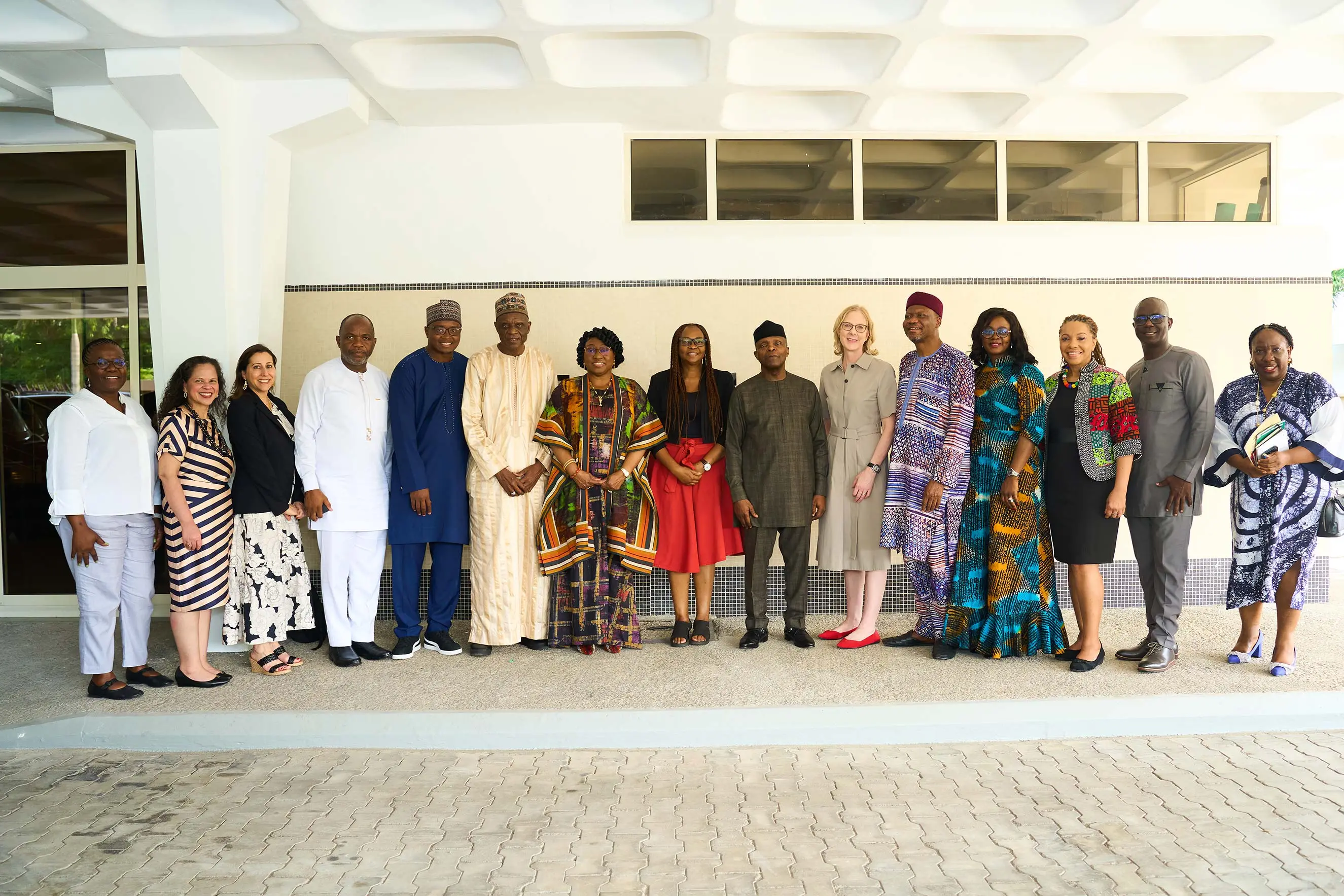
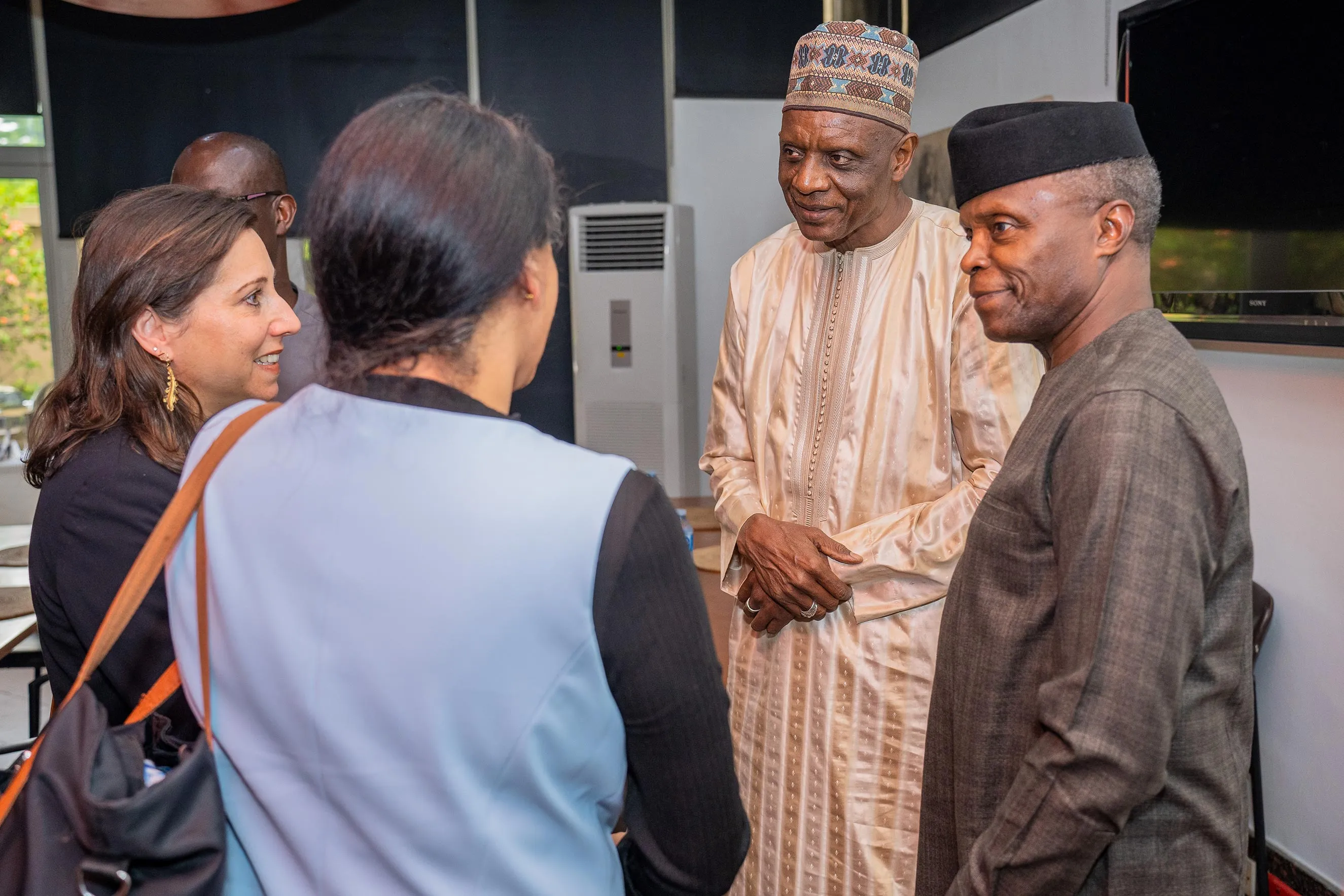
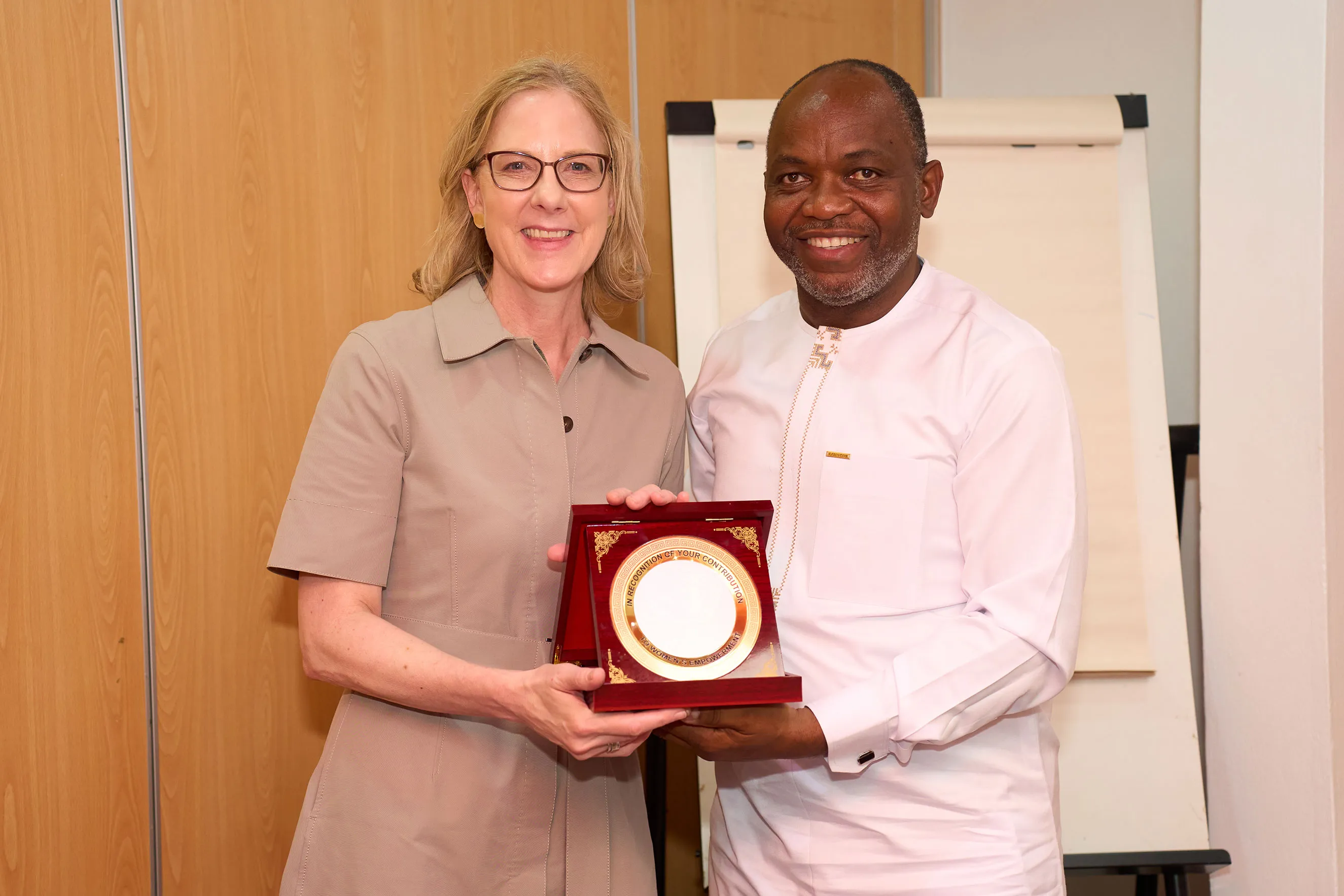
I had the honor of sitting down with a number of our philanthropic and development partners, including the Former Vice President of Nigeria Professor Yemi Osinbajo, Kole Shettima of the MacArthur Foundation, Toyin Akinniyi of Luminate, Dr. Kalilou Sylla of ECOWAS, Ebrima Sall of Trust Africa, Maxime Houinato of UN Women, and Erelu Bisi Fayemi, the former first lady of Ekiti State and founder of Amandla Institute.
We discussed how pressures on democracy, civic space, and social trust across the region are deeply interconnected with development outcomes, reinforcing that strong institutions and inclusive governance are essential to lasting progress.
Partnerships Built Over Time
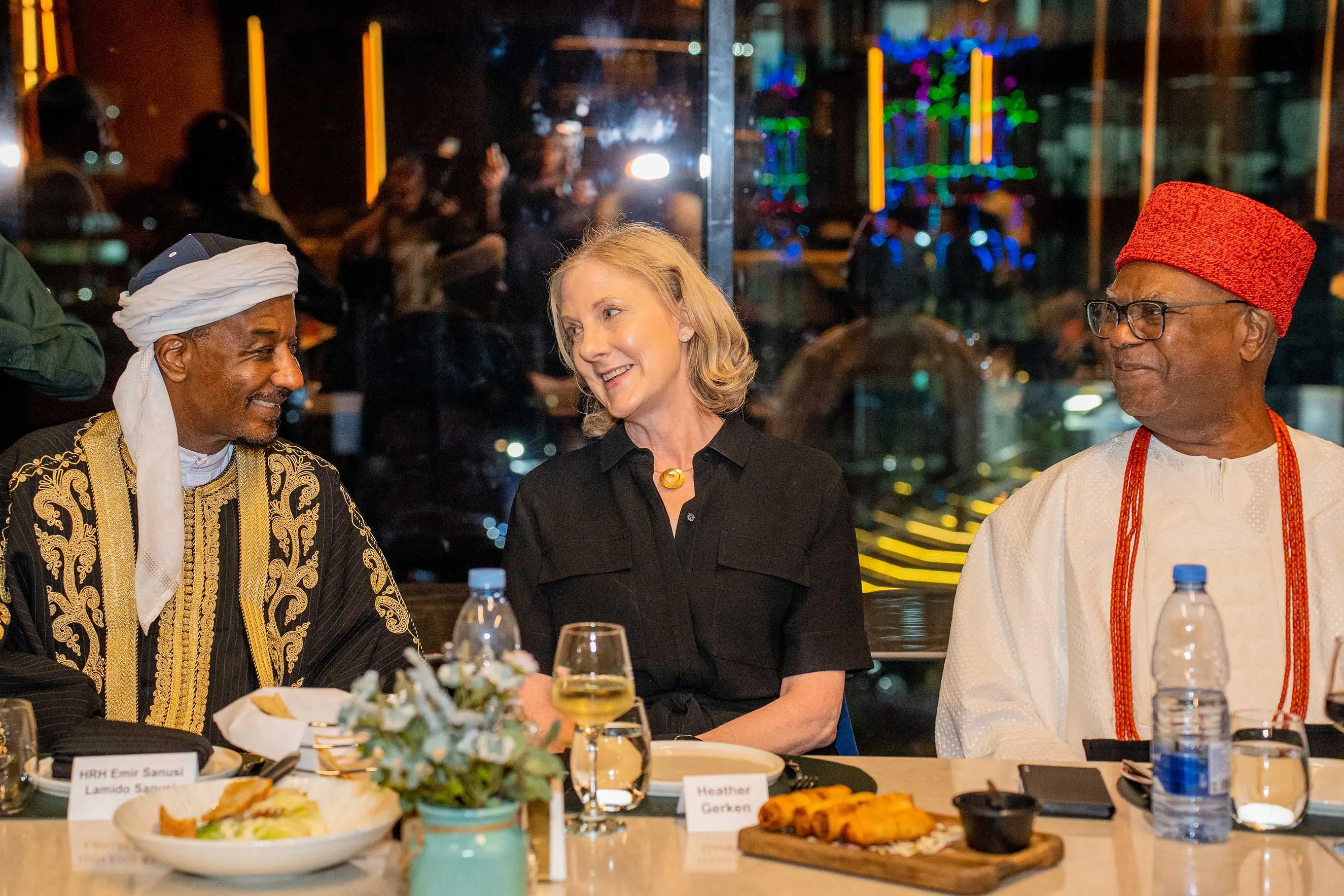
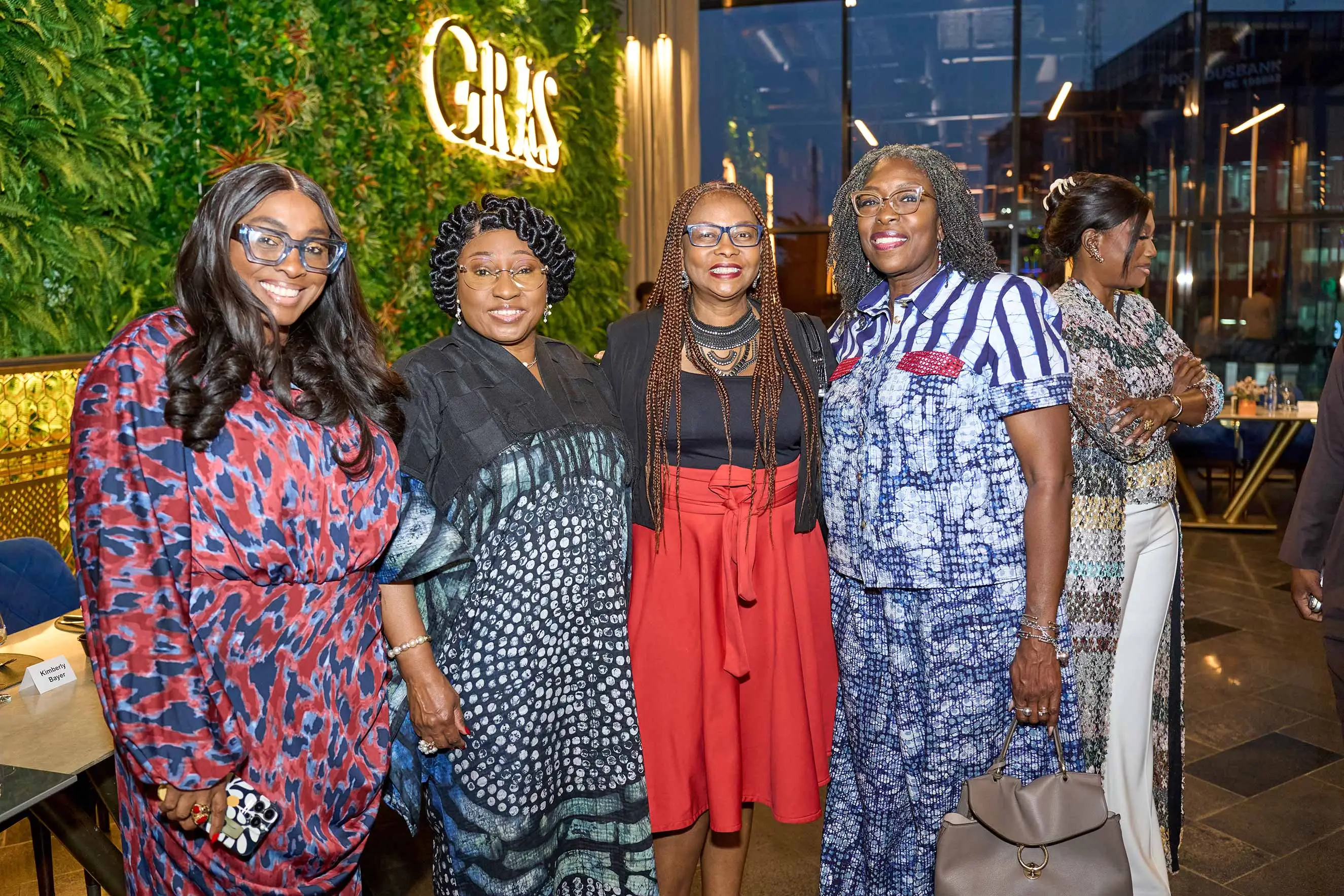
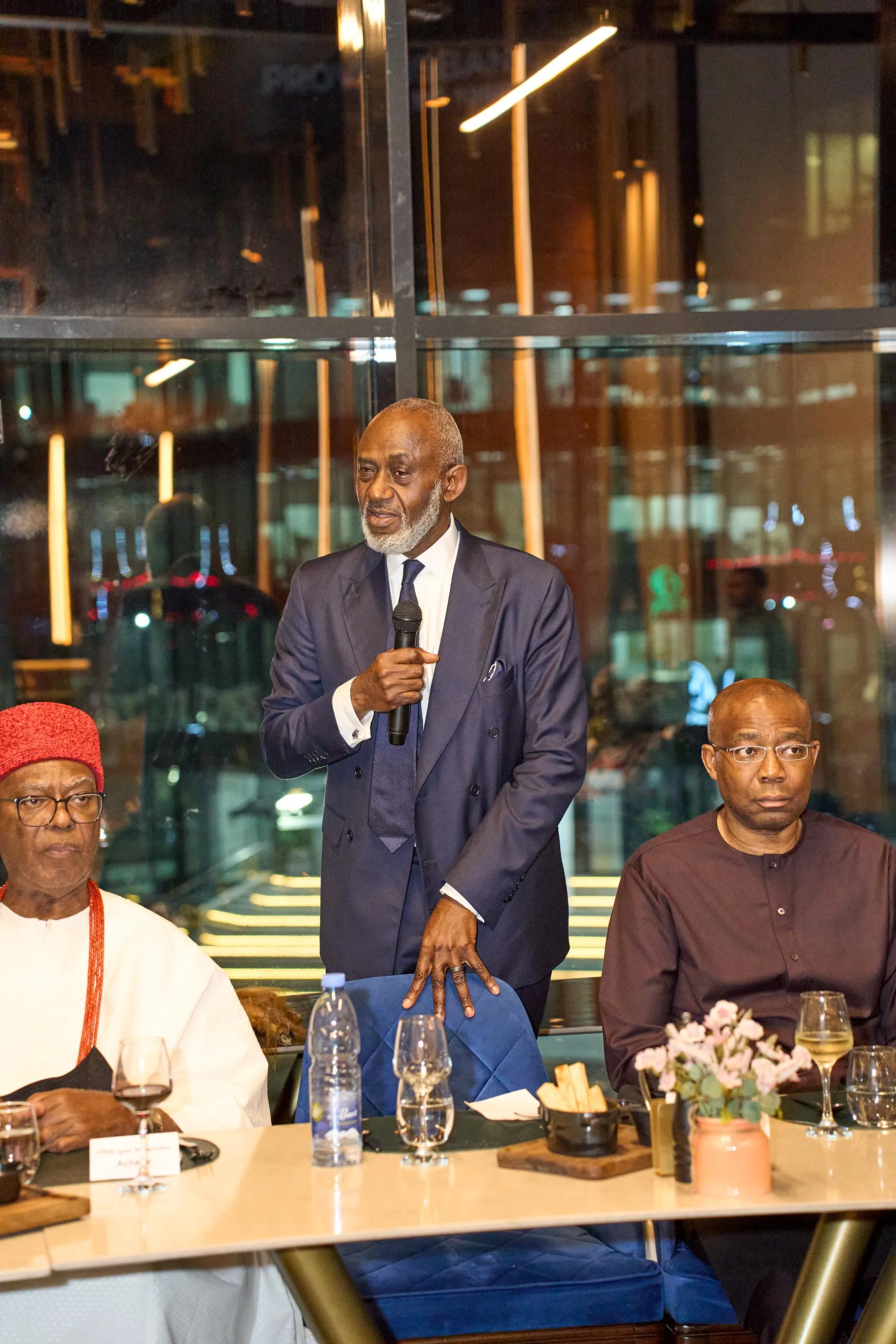
At a dinner hosted by Ford Foundation Board of Trustees member Gbenga Oyebode, I joined leaders from across Nigeria’s civic, academic, and cultural landscape, including His Royal Majesty Igwe Alfred Nnaemeka Achebe, His Royal Highness Alhaji Dr. Muhammadu Sanusi II, former governor of Ekiti State Dr. Kayode Fayemi, former First Lady of Ekiti State Erelu Bisi Fayemi, and chairman of Access Holdings Aigboje Aig-Imoukhuede, alongside leaders from civil society and heads of foundations.
Our conversations reflected both the complexity of the challenges and the extraordinary leadership present across the region. Across every conversation, I sensed a shared understanding that real and lasting change must be rooted in communities and carried forward by trusted leaders.
I left Nigeria encouraged—aware of the scale of the work ahead, but deeply hopeful about the coalition forming to meet it.