
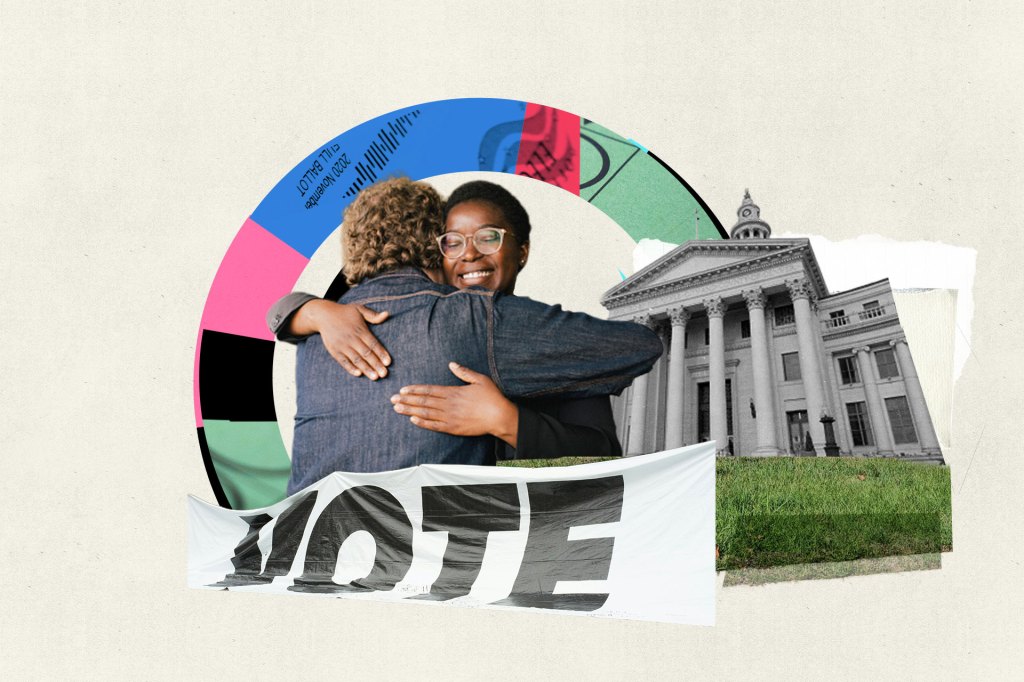
In a functioning democracy, all citizens can exercise their right to vote without interference. Yet in Mississippi, a state with some of the nation’s most restrictive voting laws, casting a ballot remains difficult for many eligible voters. It is one of the few states that bans early voting for everyone, makes it nearly impossible for people with disabilities or the elderly to get support for returning their mail-in ballots, and imposes lifetime disenfranchisement for certain felony convictions. Across the state, civil society advocates and community groups are working to expand access to the ballot box.
Mississippi Engaged is one such group leading this work to narrow voting inequality. The nonpartisan, nonprofit organization uses a coalition model to protect and expand voting rights, emphasizing community engagement and collaboration at every level. It convenes local organizations that operate year-round, not only during election seasons, educate communities about complex election rules, and dismantle systemic barriers to ballot access. By coordinating these efforts, the coalition eliminates overlapping work and amplifies impact across the state.
Mississippi Engaged, a Ford grantee, takes an approach grounded in a fundamental belief that democracy works best when every voice is heard. Together, with its member organizations, the organization aims to create a Mississippi where all eligible voters can successfully cast a ballot in every election and where every person—regardless of race, ethnicity, gender, geography, age, sexual orientation, ability, or income—can have their voice heard and participate in the decisions that shape their lives. Here, Courtney Body, executive director of Mississippi Engaged, discusses their strategy and their successes to date.
Navigating Mississippi’s Complex Voting Landscape
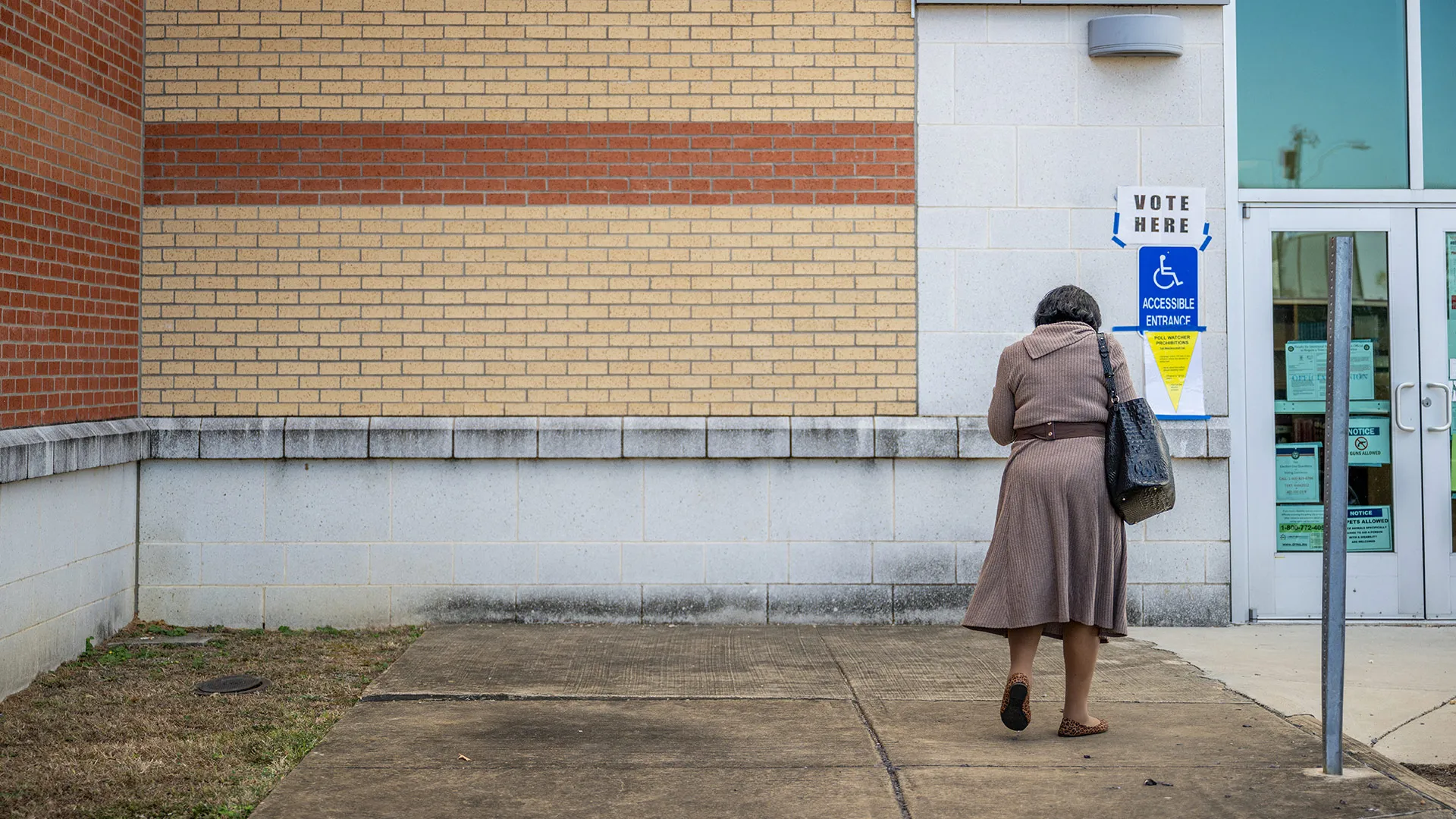
Mississippi’s civic engagement landscape is filled with organizations striving towards a common goal: increasing voter participation across the state. This is no easy task, given the barriers to voting. Some of these challenges include felony disenfranchisement, no early voting process, a dismantled ballot initiative process, strict absentee voting criteria, and voter purge mandates. These obstacles make Mississippi one of the most difficult states for fair voting practices.
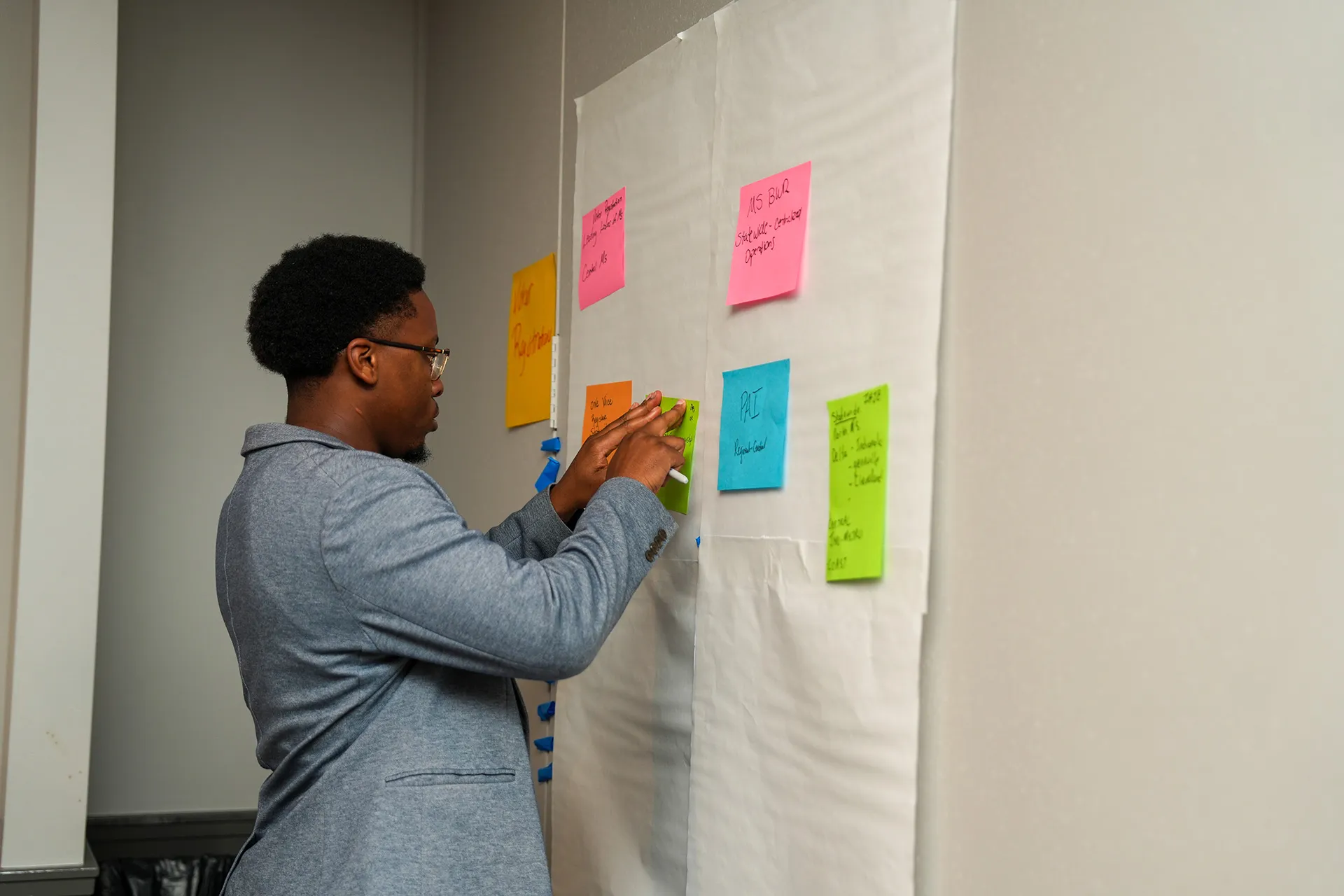
This reality creates urgent demand for organizations to step in and help, but when there is such a saturation of organizations all seeking the same result, overlap and duplicated efforts can slow down progress. Our goal at Mississippi Engaged is to effectively coordinate our member organizations and eliminate roadblocks to success.
Our strategies include regular membership calls in which leaders learn about the latest developments in civic engagement and give input on how we can help them reach their voter engagement goals. We publish a monthly newsletter that reinforces this information and highlights the work of our members, including spotlighting a member of the month, tracking goal progress, and sharing resources.
Supporting Year-Round Community Engagement
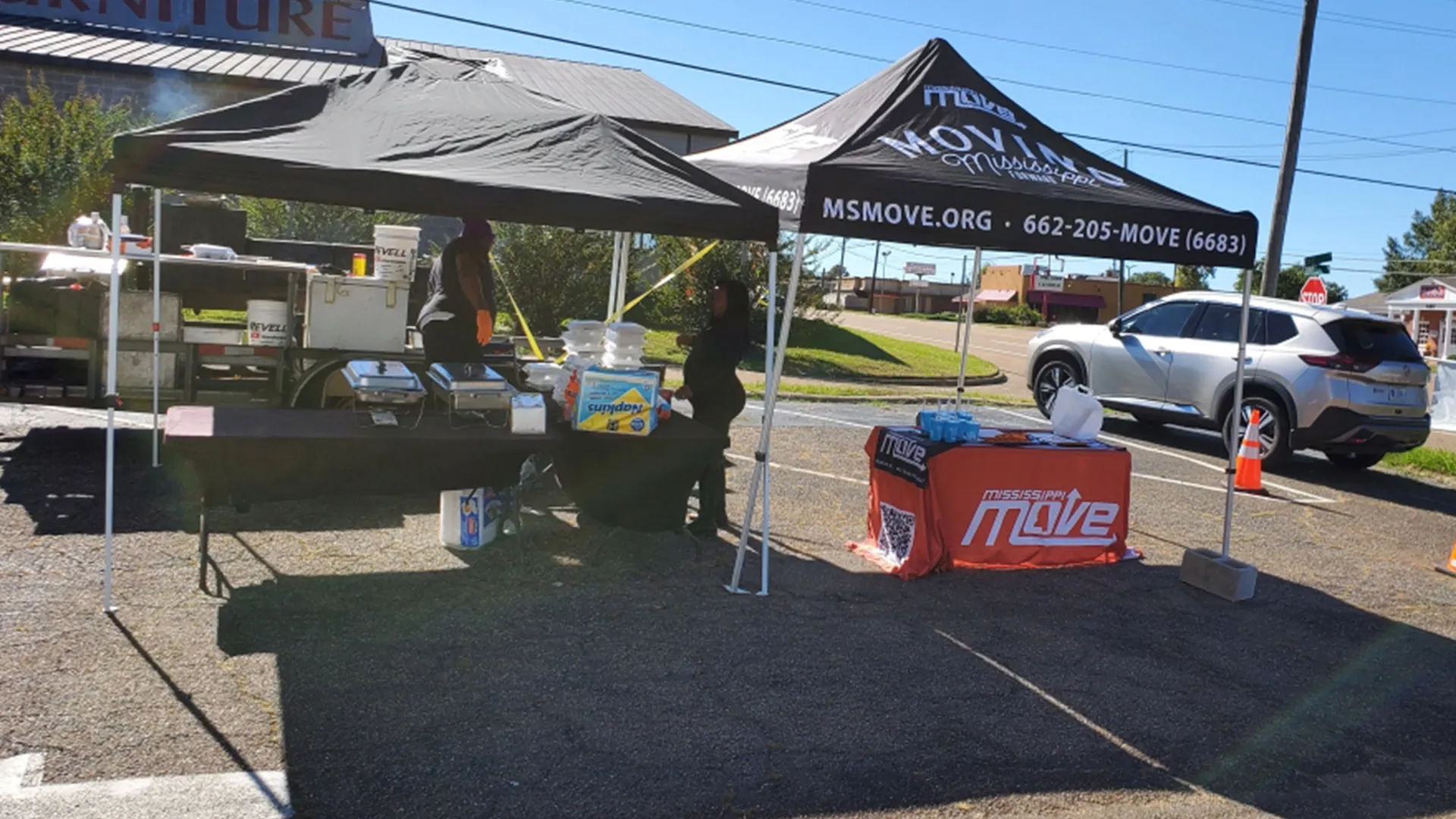
Our member organizations work directly with the elderly, justice system-impacted individuals, and people with disabilities through trusted, longstanding relationships in their communities. Our civic engagement approach is grounded in year-round community engagement. Coalition members engage voters in accessible and respectful ways by meeting people where they are, providing clear voter education, and offering support to navigate absentee voting, voter ID requirements, and eligibility barriers. Many member organizations also provide essential services, because civic participation is deeply connected to community stability, such as supporting families with immediate need for food, water, and other resources. These organizations build trust and reduce barriers that prevent people from engaging in their communities.
Why Early Voting Matters
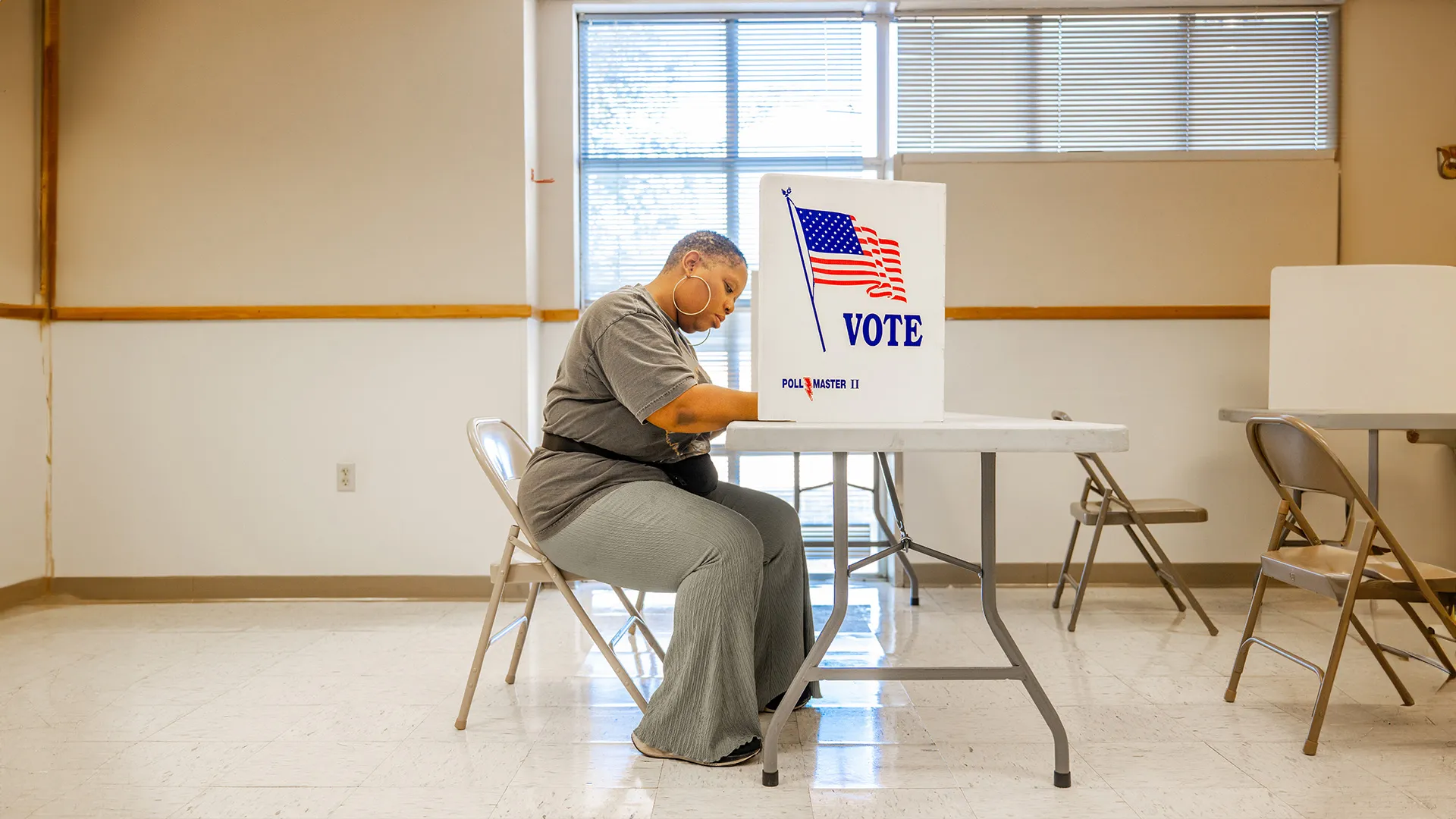
In Mississippi, our voters do not have access to early voting. Every year, our member organizations advocate for it. Early voting allows for a more accessible and fair democratic process. Voters are able to vote on a day and time that is convenient to them, versus being limited to a single election day. In the case of weather emergencies, power outages, illness, employment, and other conflicts keeping them from the polls, early voting provides a solution that helps keep democracy going. Early voting also reduces long lines on Election Day, making voting easier and less time-consuming.
Building Power Beyond Election Day
We define long-term success as building lasting capacity and community power among Mississippians who have historically been excluded from decision-making. Long-term community power grows when communities have year-round civic engagement infrastructure, trusted messengers, and organized networks that can mobilize beyond election season. We are rapidly increasing our capacity and organizing strength across the state by filling gaps in resources, coordination, and training for organizations serving vulnerable communities. A real example of this is the creation of Mississippi Engaged itself: This work reflects our commitment to building sustainable community power that lasts beyond any single election cycle.
Local Leaders, Statewide Impact
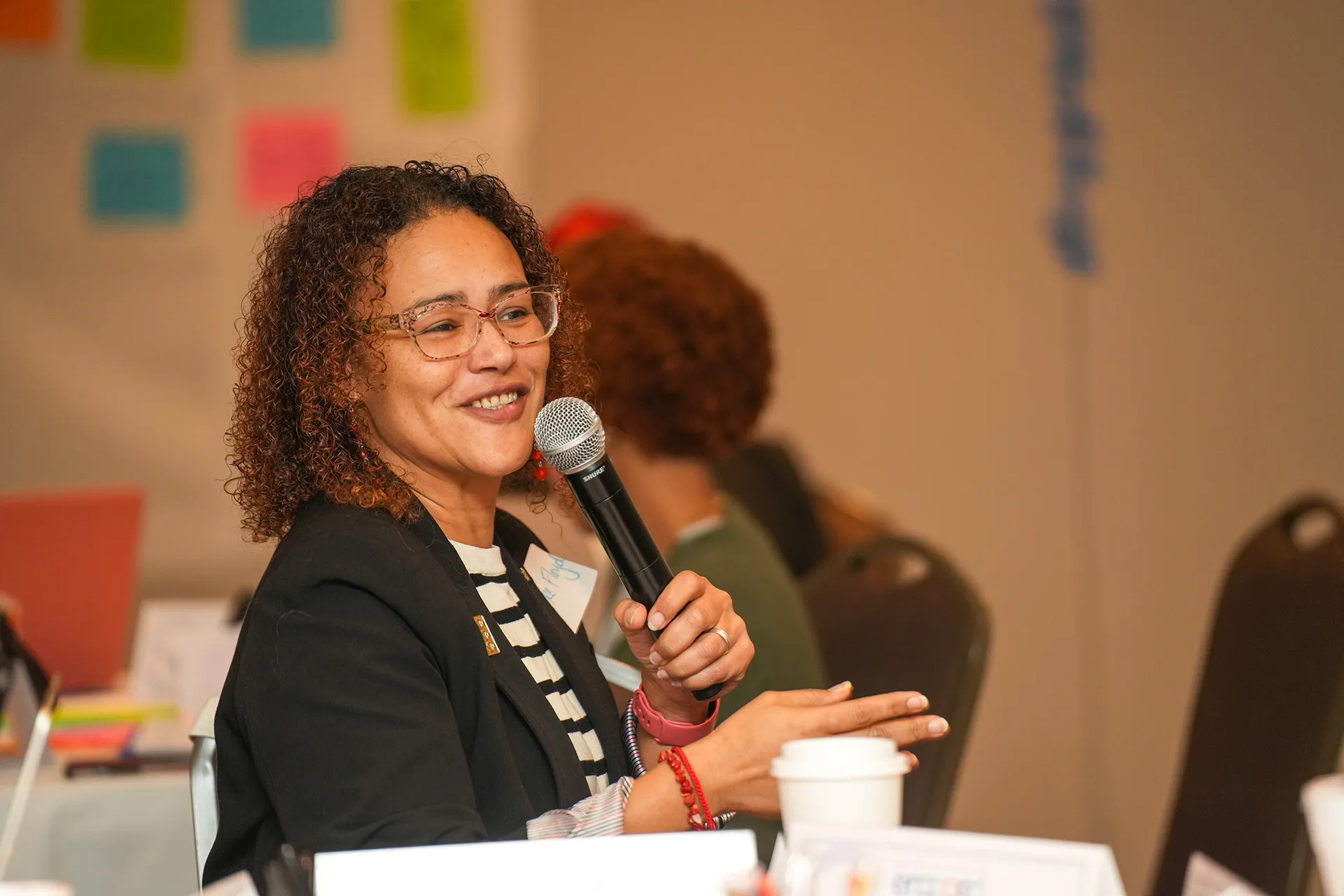
It’s been very powerful hearing local leaders talk about the importance of receiving increased investment and coordinated support. Many of these organizations have been doing critical civic engagement work for years with limited funding and visibility, as well as little access to statewide strategy spaces. Through Mississippi Engaged, coalition members have been able to expand their outreach, stay engaged, and reach more people in their communities. Those testimonies have been a real reminder that lasting community power starts locally, and that investing in the organizations closest to the people is what makes this work possible.