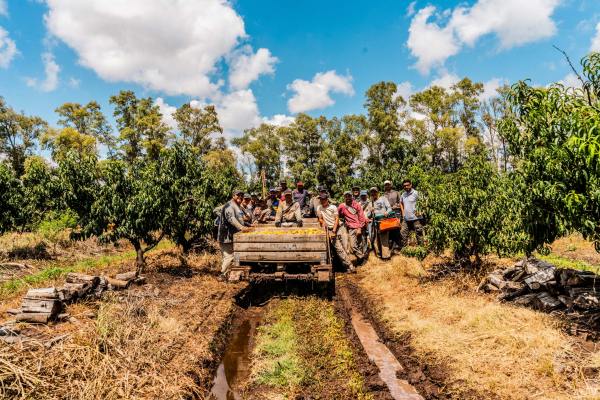
In 2020, as the pandemic spread globally, millions turned to platform-economy jobs, delivering food, driving passengers, and performing micro-tasks such as labeling data in AI supply chains—all without health coverage, safety protections, or fair pay. As workers challenged these conditions in court, the digital platform companies, backed by armies of lawyers and PR campaigns, argued that their workers were not employees at all, and that they themselves were merely neutral technology platforms connecting consumers with service providers. Yet, through powerful algorithms, the companies controlled workers’ pay, assigned their jobs, rated their performance, and suspended or deactivated them without warning.
Recognizing that platform-driven precarity was not an isolated phenomenon but a global one, the International Lawyers Assisting Workers Network (ILAW) was founded in 2019 to bring together union and workers’ rights lawyers to defend and promote workers’ rights. It compiled litigation strategies, court cases, and legal arguments from around the world, along with a detailed analysis of the tactics being used by platform companies. This effort resulted in the Taken for a Ride report series, widely used by its network of over 1,500 workers’ lawyers across 100 countries in national-level litigation. The series has been translated into multiple languages, including Spanish, French, and Japanese, referenced by regional human rights bodies, and used as a resource for setting a global standard at the ILO on Decent Work in the Platform Economy.
See how leaders worldwide are connecting local solutions
From grassroots organizing to global policy change, People-Powered Solutions highlights efforts to protect community voices and agency across the world.
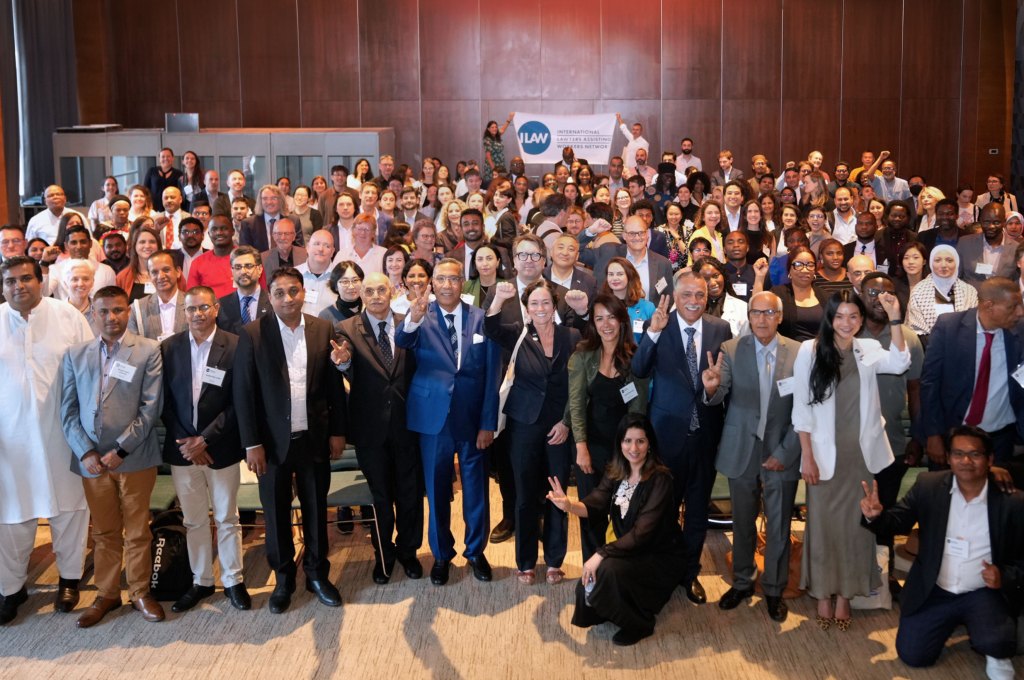
Before ILAW, workers and unions from across the world were facing the same platform-related legal challenges, often against the same companies, but in isolation. ILAW was created to give its network of workers’ lawyers the same comparative advantage that corporate law firms enjoyed: the ability to learn from one another, coordinate strategies, and mobilize resources on a global scale. Members share knowledge across borders through WhatsApp groups, email listservs, and in-person conferences. They exchange relevant court judgments, legal arguments, and practical strategies, often scanning and sharing materials unavailable online, helping each other overcome language barriers that would otherwise make vital information nearly impossible to access.
For Monika Mehta, ILAW’s deputy director, this model only works because it stays rooted in worker power. “These rights that are won wouldn’t exist, and wouldn’t be enforced, without organized workers and constituencies who can ensure that those rights stay in place and are not rolled back,” she said.
A cornerstone of ILAW’s work is the Strategic Litigation Fund (SLF), the only dedicated financial resource for impact litigation on workers’ rights. The fund supports bold labor rights cases that conventional human rights and pro bono systems typically overlook due to institutional silos. SLF provides not only funding but also strategic support, comparative legal research, and opportunities to share lessons across ILAW’s global network. This has enabled ILAW to enforce anti-trafficking and forced labor laws in Nepal and drive accountability for multinational corporations through supply chain litigation in Brazil and Germany. To date, the SLF has awarded over 25 grants in almost every region of the world, supporting groundbreaking and strategic cases with the likelihood of long-term impacts for workers in those countries or regions. At present, the SLF is supporting multiple strategic cases in Latin America, Eastern Europe, and Asia focused on labor and technology, including violations of labor rights of digital platform workers.
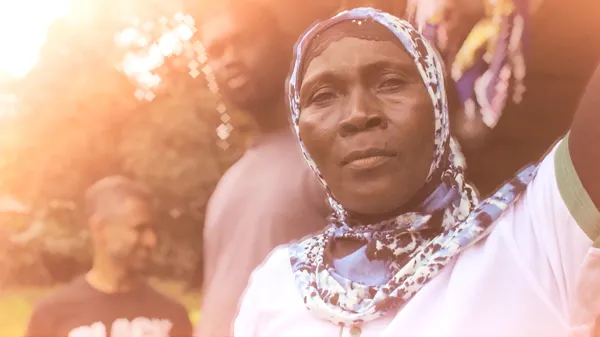
In South Africa, for example, domestic workers, predominantly Black and migrant women, were long excluded from the country’s workers’ compensation law, leaving them unprotected when injured on the job. In a landmark ruling, the Court declared the exclusion both directly and indirectly discriminatory. It applied the ruling retroactively, allowing domestic workers who had suffered debilitating injuries, some more than a decade earlier, to finally claim compensation. This victory inspired similar litigation in five other countries in Africa through the ILAW network, supported by the SLF. These cases would not have been possible without the SLF and the technical resources of the ILAW Network. Even when cases do not result in a win, the learnings are carefully documented, shared, and compared across the network, inspiring similar work to begin in South Asia. According to Mehta, “The SLF is a much-needed resource that can really create long-term system change through legal reform.”
ILAW also bridges national court cases with regional and international bodies to shift the broader legal and policy landscape. Through amicus briefs (friend-of-the-court submissions), the network brings international labor standards, lessons from other countries, and cross-border experiences into national cases, and conversely, uses national precedents to influence regional and global norms. This creates a powerful feedback loop: Local wins strengthen global standards, and global standards strengthen local struggles.
For nearly a decade, the Network, through a strategic combination of rigorous research, targeted litigation, and extensive organizing from local communities to international forums, has played a pivotal role in a recent milestone for platform workers: the International Labour Organization’s official adoption of Convention 193 (C193) on Decent Work in the Platform Economy in June 2026.
While passing this international standard is a massive victory, the work is far from over. The Network will now focus on partnering closely with labor unions, worker organizations, and ILAW members to persuade individual governments to ratify and enforce this new treaty in their countries.
For ILAW, the vision is one where “the rules and laws that govern work and workers’ rights really reflect the collective power of workers rather than the power of employers and corporate actors,” said Mehta. This means building a 21st-century labor rights framework that protects workers regardless of contract type, holds employers accountable across supply chains, recognizes the right to organize and bargain collectively, and ensures new technologies like AI do not erode hard-won gains but support decent work for all.