Economic justice and democracy are deeply connected systems. When people have secure jobs, income, and access to education, they’re better positioned to engage in civic life. And when they can participate in democracy, they have the power to protect those conditions.
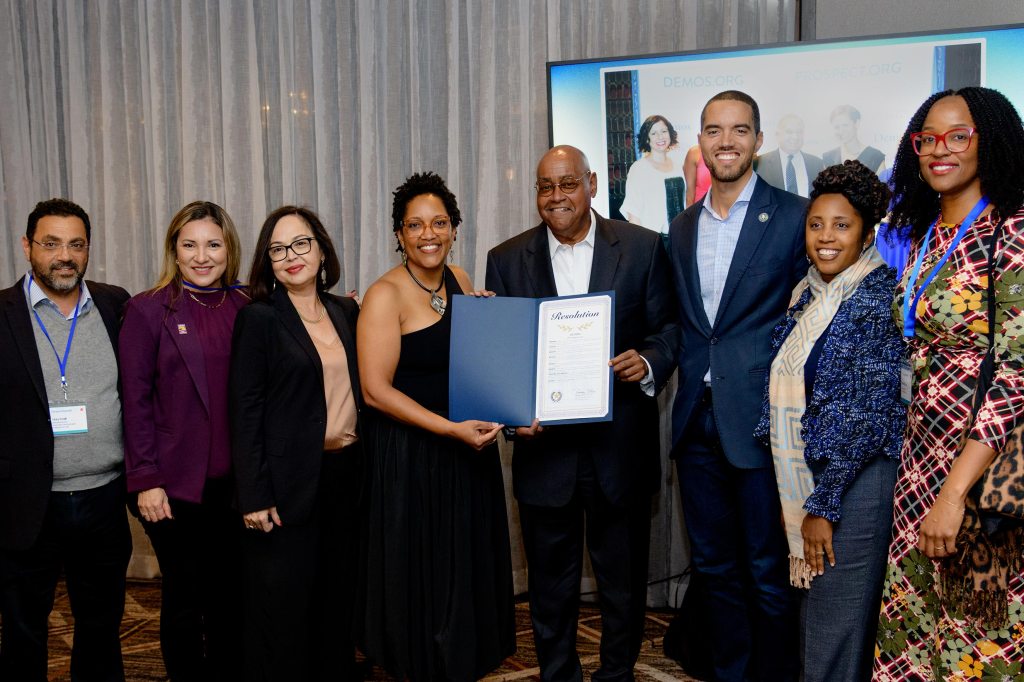
For 25 years, Demos, a nonprofit public policy organization and Ford grantee, has understood this intertwined relationship and worked to build a just, inclusive, multiracial democracy and economy. The organization produces rigorous, data-driven research and policy solutions that help citizens participate fully in the decisions that shape their lives. Here, Taifa Smith Butler, President of Demos, discusses how its research and analysis help grassroots partners secure economic opportunities that result in lasting, systemic change.

See how leaders are safeguarding the rule of law
To protect Democracy and Rule of Law, Ford Foundation highlights efforts to support the local officials and advocates who ensure every American vote is counted.
Between Policy and Daily Life
Our job at Demos starts with making the connection between policy and everyday life visible. It’s not useful to talk about a policy or a bill in theoretical terms. We have to explain how it will impact everyday people and why they should care.
Because when millions of people’s voices aren’t heard in our democracy, what’s to stop lawmakers from setting aside worker protections? From allowing corporations to keep wages low and put workers in unsafe conditions? Our task at Demos is to help people see how the chain of consequences from voting to legislation lands on their doorsteps.
Co-Designed Tools for Democracy
Research alone doesn’t create change. We prioritize producing tools and knowledge products—like reports, toolkits, fact sheets, and more—in partnership with grassroots and state-based organizations that are more tightly connected to impacted communities. They know what their communities care about, what the problems are, and more often than not, what the solutions are too.
As a national organization, our job is to listen as much as we talk. We are in continual communication with partners throughout the process of creating any product, to make sure what we produce reflects their experiences and fits their needs, both in content and in format. We also work with them to figure out how to share that information, whether it’s with lawmakers, other advocates, or their own members. We also connect partners with each other through regular convenings where they can share what’s working, build on each other’s strategies, and form new collaborations. Our goal is to craft the tools together that will help achieve lasting, shared impact.
In Search of Missing Voters
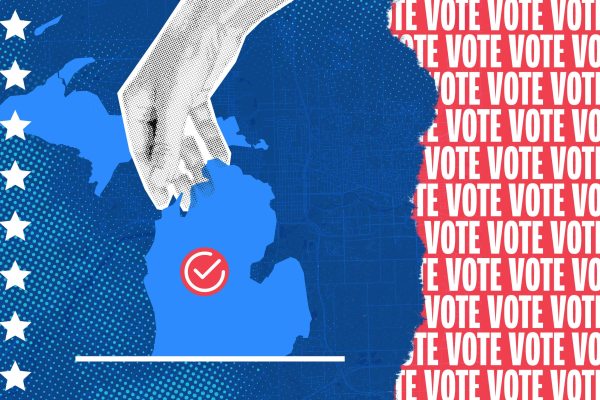
For the last three years, we have partnered with one state-based organization each year to produce the Missing Voters report. These reports look at the number of people in a state who aren’t registered to vote or are registered but don’t cast a ballot. Our approach has not been about voter apathy or individual behavior. Instead, we have looked at the very real structural and systemic barriers that prevent people from making it to the polls. The reports have also helped partners grow their volunteer base and raise additional funds.
Furthering Inclusive, Nonpartisan Processes
Partisanship builds power that is fleeting. It relies on temporary advantages that can harm the long-term democratic health of our country. It’s a race to the bottom that ultimately makes our democracy less and less representative and drowns out the voice of everyday people.
Louisiana offers a sobering example. After the Supreme Court decided Louisiana v. Callais, the state canceled an active election, invalidated 45,000 ballots to redraw a congressional map, get rid of Black-majority districts, and further partisan goals. When partisan interests take precedence, the rule of law erodes.
We’re not interested in policies that give any party an advantage over another. When we choose projects, we ask: Will this advance policy solutions that generate economic mobility and security for all? Will these interventions create an inclusive electorate and a representative, accountable government—particularly for Black and Brown voters who have historically and systemically been excluded from democratic processes? That is the core of Demos’ approach: a fierce belief in a bold vision for a just and inclusive multiracial democracy.