
What Will Make the Energy Transition Just?
How do we power our world sustainably and equitably? Nearly all countries are grappling with this question, having reached a historic agreement in 2023 on the need to move away from fossil fuels. Today, half of the world’s economies are already transitioning to clean sources of energy, and despite recent surges in support for coal, oil, and gas, fossil fuel use is still expected to peak before 2030 if government commitments continue. The global reimagining of our energy systems is underway, and it offers an opportunity not just to address climate change but to ensure emerging solutions work for everyone, not just a privileged few.
What will make the transition just for people around the world isn’t simply a commitment to clean energy but a focus on who holds power in shaping it. Past energy decisions have reinforced inequality, extracting resources from low-income and developing communities while delivering benefits primarily to wealthy nations. The question now is whether those who have been historically excluded from these decisions can gain meaningful say over how energy projects are designed, implemented, and governed. The stakes extend far beyond carbon emissions: This transition will determine whether communities across the Global South can access reliable, affordable energy and build economic futures on their own terms, or whether they’ll shoulder the costs of change while remaining locked out of its benefits.
The world has navigated energy transitions before. We moved from wood to coal during the Industrial Revolution, then pivoted to oil and gas as mass electrification and the automotive age took hold after World War II. History tells us these kinds of shifts are inherently disruptive environmentally, economically, and socially. There is no single blueprint for doing it successfully, and it will require more than numerical calculations about costs and emissions to make it just. Each country needs tailored approaches informed by local voices who understand the challenges best—and global governance systems that enable those local solutions to flourish.
This need was recognized at COP30, the United Nations climate change conference held in Belem, Brazil, in 2025, where governments established the Belém Action Mechanism. As the first arrangement of its kind, it will help address the fragmentation of global efforts to build a transition rooted in rights and inclusion. It will require countries to coordinate existing initiatives, share best practices for embedding justice, and mobilize financing to the Global South.
High-emitter nations like South Africa, Indonesia, and Colombia, whose economies are highly dependent on fossil fuels, are already demonstrating that energy transition solutions that put people first are viable, with the potential to create quality jobs, expand energy access, and advance sustainable development. Our grantee partners working in these countries offer valuable perspectives on the challenges that need to be addressed to achieve a just transition. Their efforts serve as powerful test cases that can inform the new mechanism and help build more equitable energy systems worldwide.
South Africa
“Locally led climate action succeeds when there is a shift in power from the top down to the bottom up.”
Margaret Mokoka
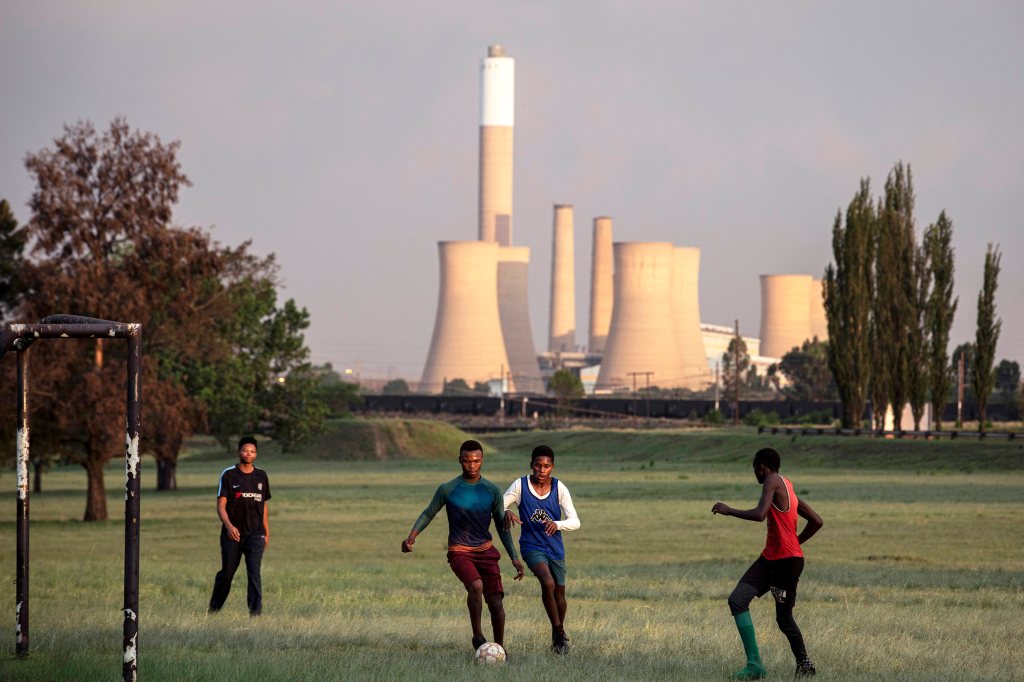
South Africa, currently the 15th highest carbon emitter globally, relies heavily on coal to meet its energy needs. Mines and coal-fired power plants dot the landscape across the Mpumalanga province in the east of the country, where 80% of the country’s coal production is concentrated.
Despite producing most of the nation’s power, many communities in this province experience energy poverty. For decades, they have seen little direct benefit from this energy production as the sector channels wealth to distant entities and leaves locals dealing with severe power outages, crippling pollution, and long-term health consequences.
To help change this, South Africa became the first country to enter a Just Energy Transition Partnership (JETP) with a number of countries in 2021. Over the past four years, the partnership has secured $13.7 billion in grants and loans to help the country retire its old coal plants, build clean energy infrastructure, and support the millions of workers and residents in coal-dependent regions. There has been progress: South Africa’s emissions have decreased, with renewable energy now making up 14% of the country’s energy mix. The rise of wind and solar power is beginning to displace coal generation, but managing the retirement of aging coal plants while supporting community needs remains an ongoing challenge.
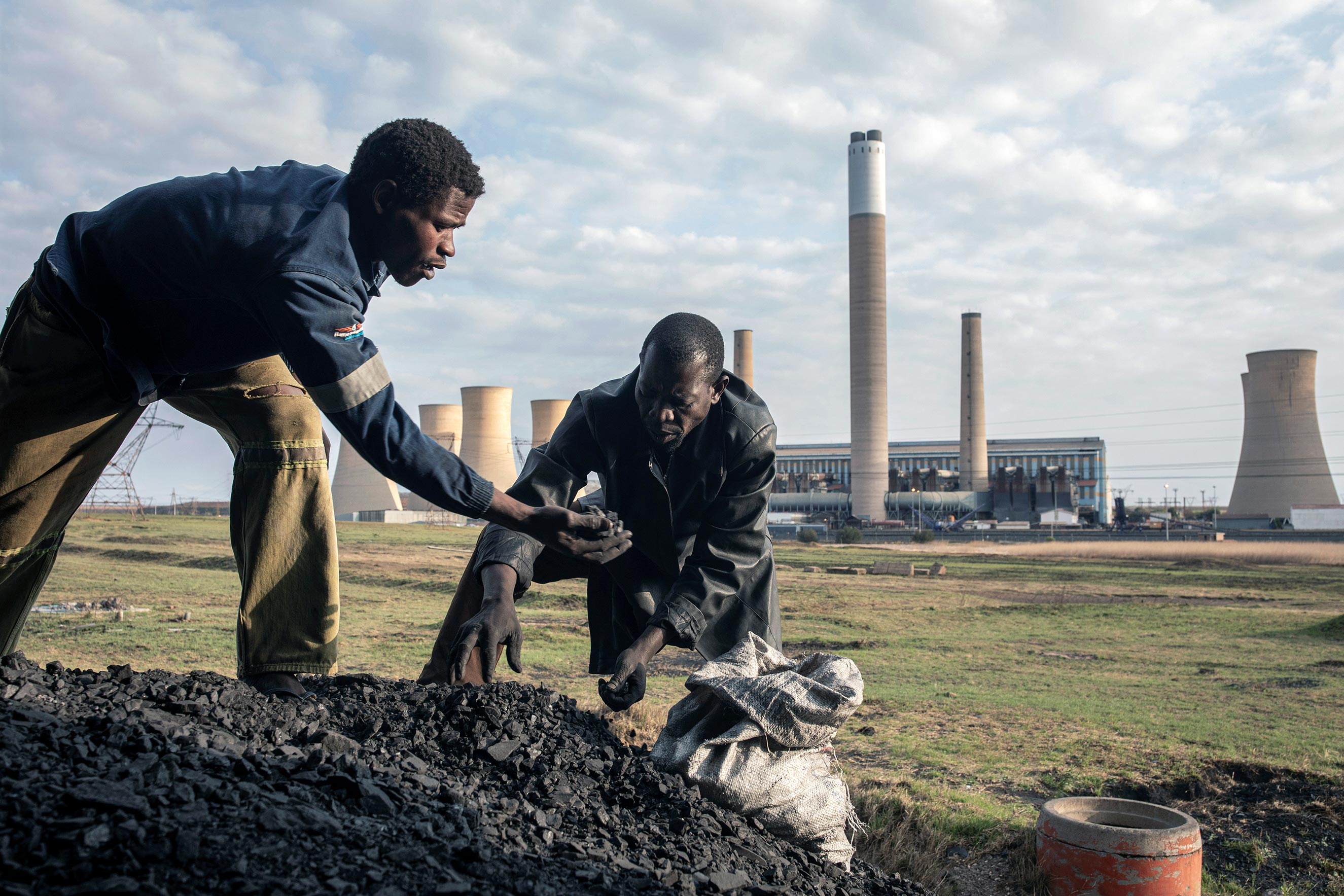
“Communities and workers currently dependent on fossil fuel industries must be supported and retrained for new green job opportunities,” said Margaret Mokoka of Life After Coal (Impilo Ngaphandle Kwamalahle), a locally led campaign by environmental justice organizations Earthlife Africa, groundWork, and the Centre for Environmental Rights. From the courtroom to the frontlines of affected communities, Life After Coal, a Ford grantee, has established itself as a leading platform, meeting point, and resource for community participation in South Africa’s energy shift.
Recognizing that a truly just transition must reflect a full range of community rights and needs, the Life After Coal campaign has developed an “open agenda.” With ongoing input from communities and partners, it outlines a series of actions that should be taken to ensure the transition puts people first.
Last year, for example, the campaign partnered with the Vaal Environmental Justice Alliance to host an Air Quality and Health Day in the coal-producing Vaal Triangle, an area south of Johannesburg that has been called the most polluted place on Earth, largely due to coal-fired power stations and mining activities. Bringing together community members, healthcare workers, and government officials, the event provided an opportunity for locals to call for urgent measures to address toxic air quality, which is causing an uptick in respiratory illnesses.
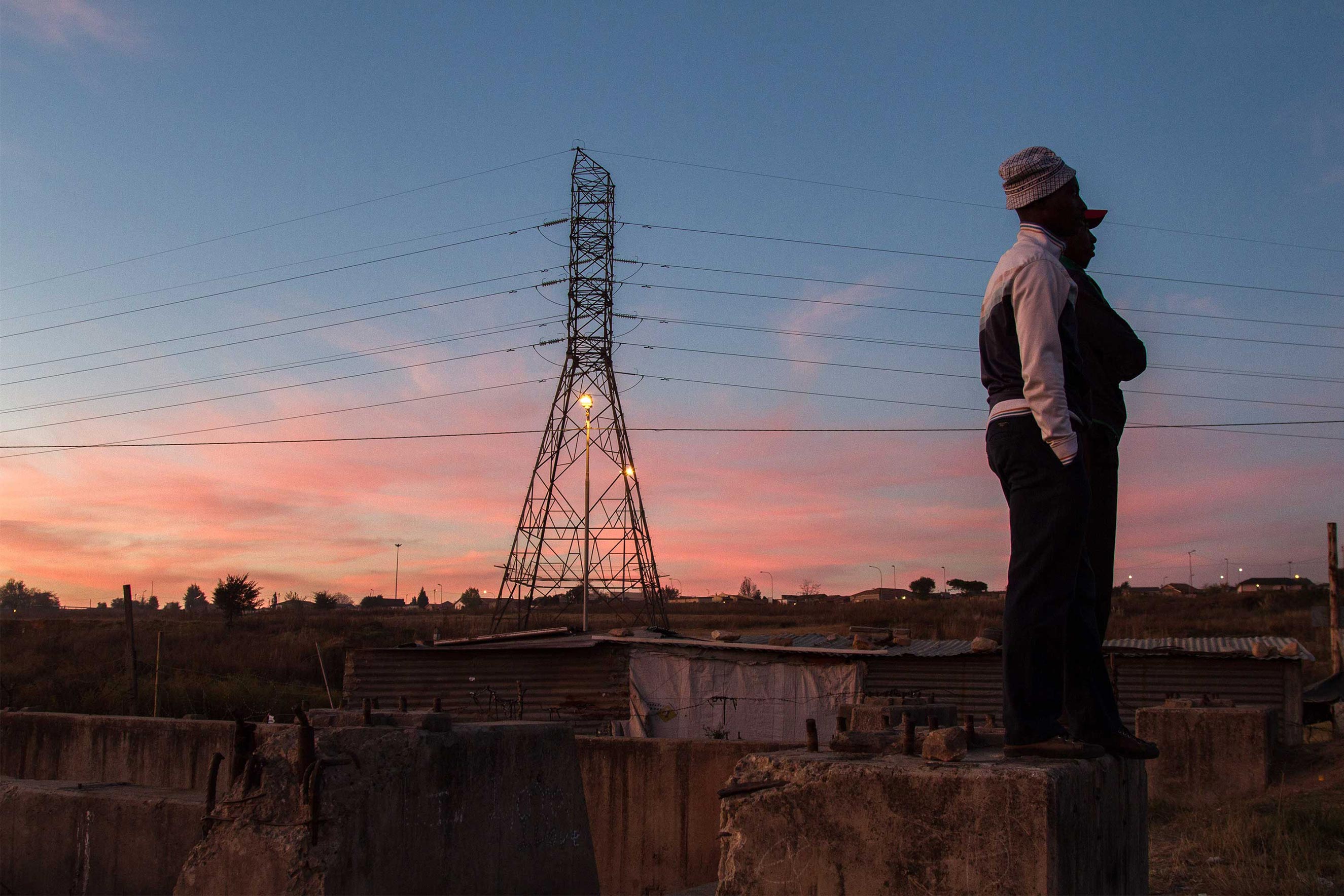
“Locally led climate action succeeds when there is a shift in power from the top down to the bottom up,” Mokoka said.
Tracking progress throughout South Africa’s JETP implementation has proven essential for supporting that shift, allowing communities to access the information they need to contribute their perspectives and demand accountability. Oxpeckers Investigative Journalism, through its #PowerTracker initiative, has been closely monitoring the transition in real time at key sites, including planned activities in Mpumalanga. Their reporting includes stories about the extraction of transition minerals in the region, analysis of the implications of large-scale renewable energy projects, and news of communities using neighborhood-scale solar energy to power streetlamps, freezers, and businesses.
At a time of misinformation, it is essential to keep credible, accessible, and balanced reporting on South Africa’s shift. By working with and training local journalists to monitor the transition, #PowerTracker has become more than an independent media outlet—it’s a trend indicator, an advocate for transparency, and an open-source data repository.
Indonesia
“With Indonesia’s investments in renewable energy growing rapidly, making sure that energy is affordable for the people who need it most is essential.”
Indonesia is the seventh highest carbon emitter globally and has one of the highest rates of youth unemployment in Asia. Many young Indonesians see the energy transition and the development of a green economy as opportunities to create new jobs and build economic and environmental security for their generation. Like South Africa, Indonesia also entered into a JETP, currently worth $21.6 billion, to help realize its net-zero emission and renewable energy targets. Several organizations, including many of our grantee partners, are working with Indonesia’s JETP secretariat, youth leaders, communities, and civil society to ensure young people’s voices are shaping labor policies for the transition and equipping this emerging labor force with the skills they need to access new jobs.
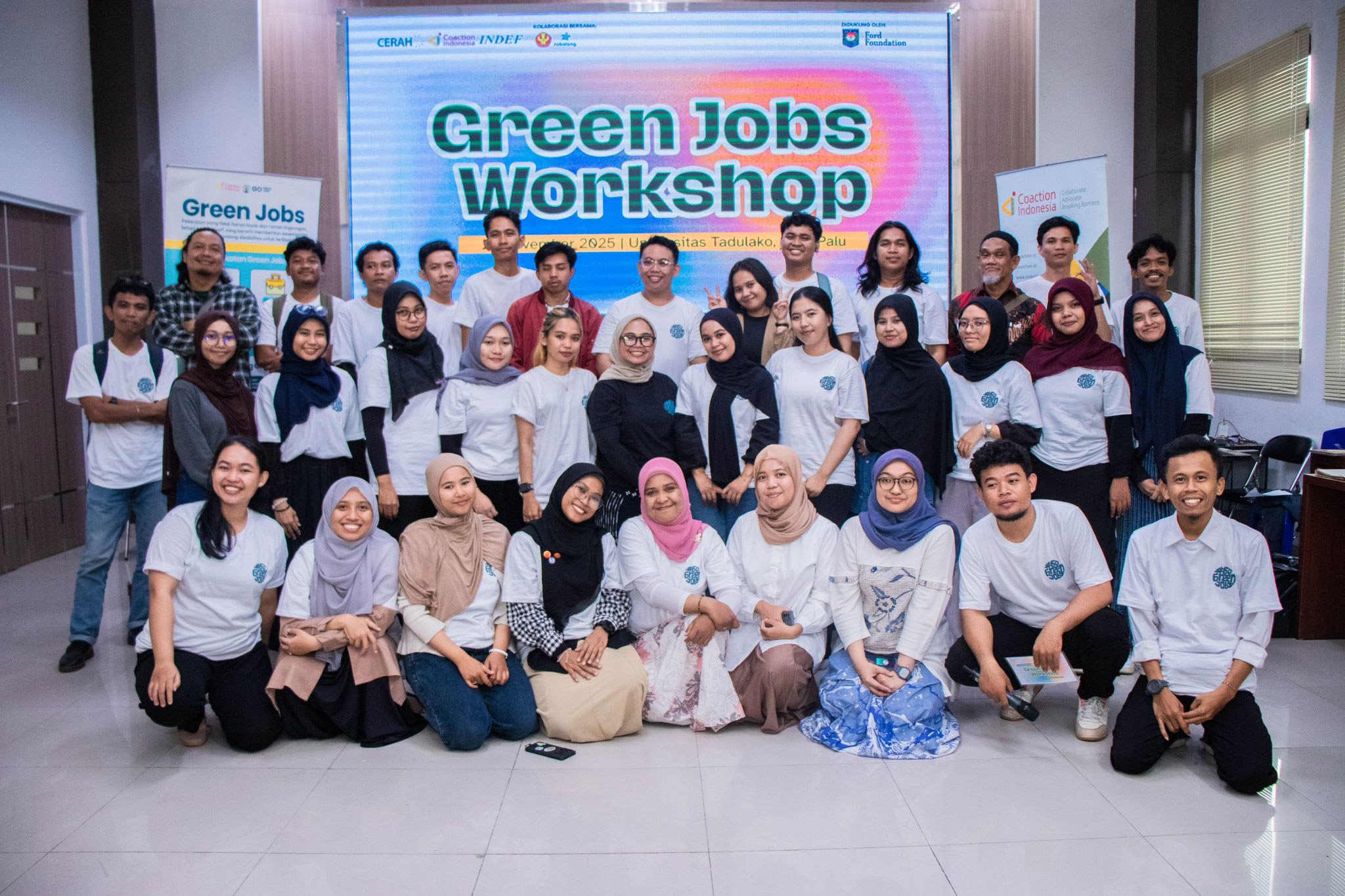
Through its Green Jobs Campaign, our grantee partner Yayasan Koaksi Indonesia (Coaction Indonesia) is providing training on green jobs and renewable energy solutions for young people. Working primarily in critical mineral producing regions like Nusa Tenggara Timur and Morowali-Central Sulawesi, where access to energy and economic opportunities is limited, the organization is expanding access to quality jobs for rural communities.
In 2024, Coaction Indonesia conducted a study to understand young people’s perceptions and participation in green jobs. The findings reveal trends and challenges which form the basis of recommendations for policymakers and the private sector in increasing the involvement of the younger generation in the renewable energy transition. By facilitating dialogues between policymakers, youth leaders, and civil society, the organization is growing the green jobs ecosystem in Indonesia.
With Indonesia’s investments in renewable energy growing rapidly, making sure that energy is affordable for the people who need it most is essential. That’s why Yayasan Rumah Energi (YRE), an Indonesia-based nonprofit and Ford grantee, offers loans to farmer cooperatives in rural areas where financial services are limited. The loans allow them to kickstart renewable energy projects on their own terms, while technical assistance from YRE empowers them to make the most of it.
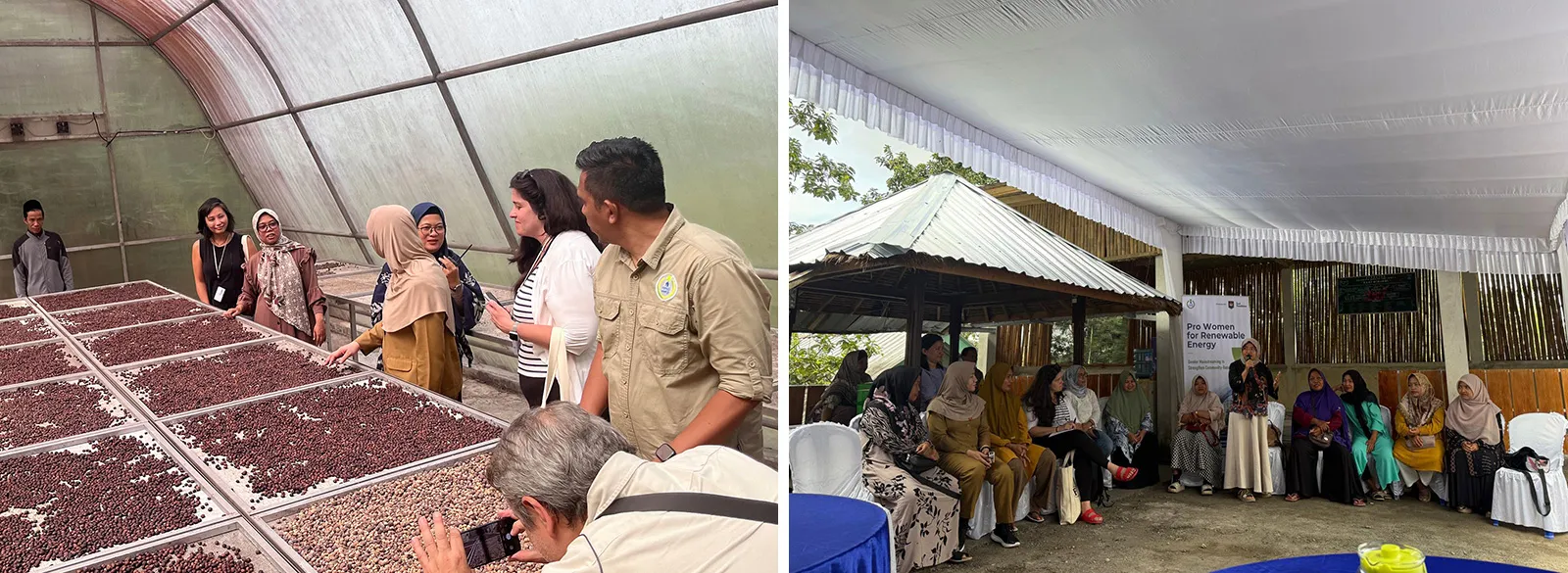
YRE’s impact across the country is tangible: As one example, women coffee farmers in Central Lombok are learning to use solar power to harvest and dry coffee. This has helped reduce production costs and increased their household income. The project uses a “green cooperative” model, where women collectively own and manage their enterprises, and ensures that profits and benefits remain within the community, strengthening local livelihoods. Beyond technical skills, the program empowers women to find their voice in decision-making processes. Participants are now engaging in local development planning and developing energy transition models at both the village and district levels.
What began as a local initiative for women coffee farmers is now expanding across Indonesia, proving that a people-first energy transition can help advance sustainable development, gender equity, and climate justice.
Colombia
“As one of the country’s least electrified regions, and marked by the presence of armed groups, the energy transition here poses unique challenges and will only succeed if the perspectives and needs of these communities are prioritized.”
Beneath the forest floor in the Colombian Amazon lie large oil reserves and precious minerals, including gold and copper, that have historically driven the country’s economy. The area is home to Indigenous Peoples, Afro-descendants, and local communities who too often put their lives on the line to protect their territories from illegal mining, drilling, and other extractive activities. As one of the country’s least electrified regions, and marked by the presence of armed groups, the energy transition here poses unique challenges and will only succeed if the perspectives and needs of these communities are prioritized.
Natural Resource Governance Institute (NRGI), a Ford grantee, recently partnered with Colombia’s Vice Ministry of Energy on the Energy Transition Transition Roadmap, a research project that presented scenarios of decarbonization across the country. The research proved sobering yet essential, including finding that pulling out of fossil fuels too rapidly could create crises on multiple levels. Even if high levels of investment in renewable energy projects were to start immediately, it would take at least 20 years to replace fossil fuels with green energy equitably. This information that initially sounded daunting became clarifying: This timeline has the potential to inform the country’s short- and long-term energy plans in a methodical way to ensure change happens equitably, efficiently, and sustainably.
In a landmark announcement during COP30, Colombia committed to protecting its full portion of the Amazon by prohibiting large-scale mining and oil projects—a move that could play a significant role in protecting both community rights and one of the world’s most important carbon sinks. This momentum has the potential to continue at the first International Conference on the Just Transition Away From Fossil Fuels, which will take place in April in Santa Marta, Colombia, co-hosted by the governments of Colombia, the Netherlands, and Tuvalu.
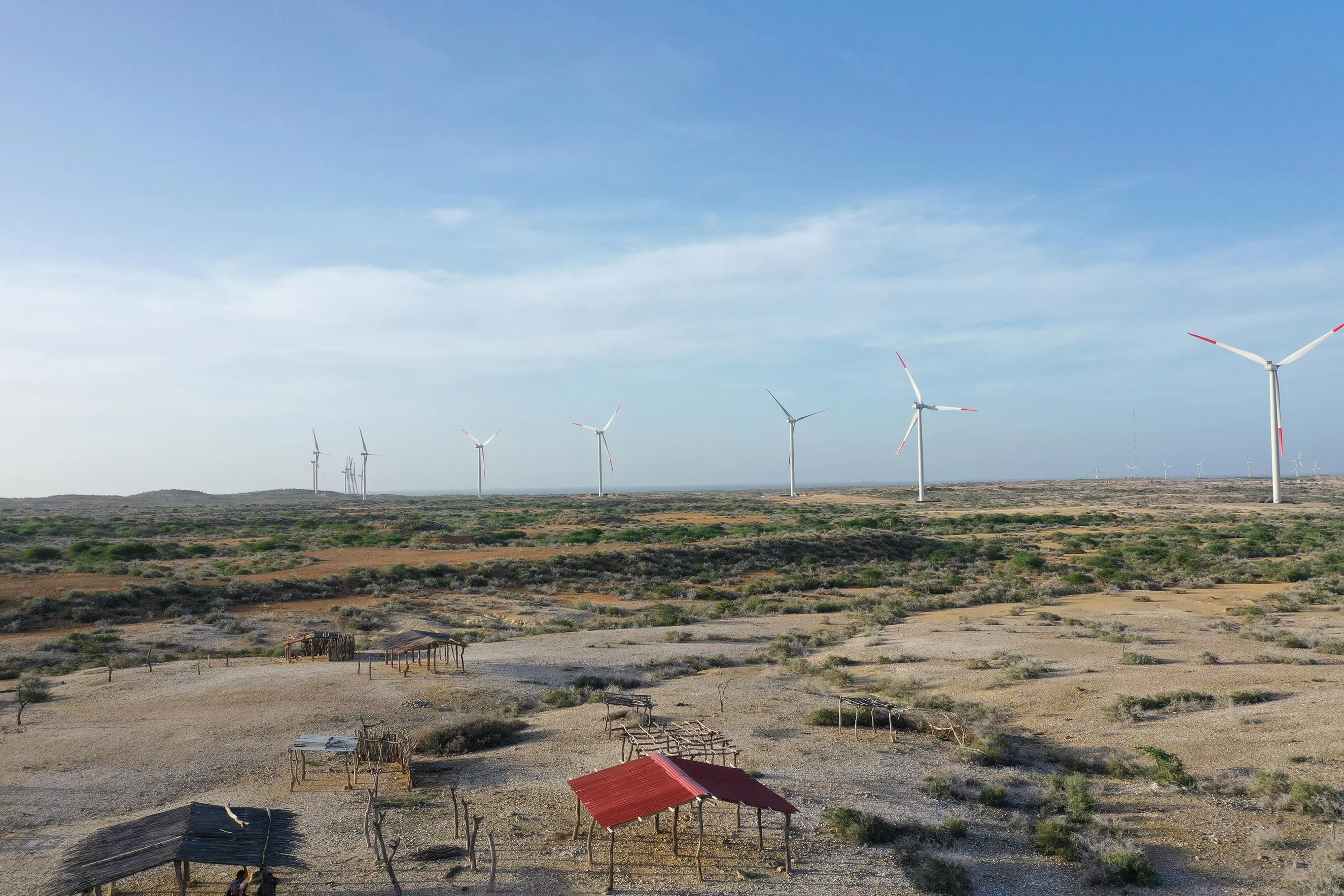
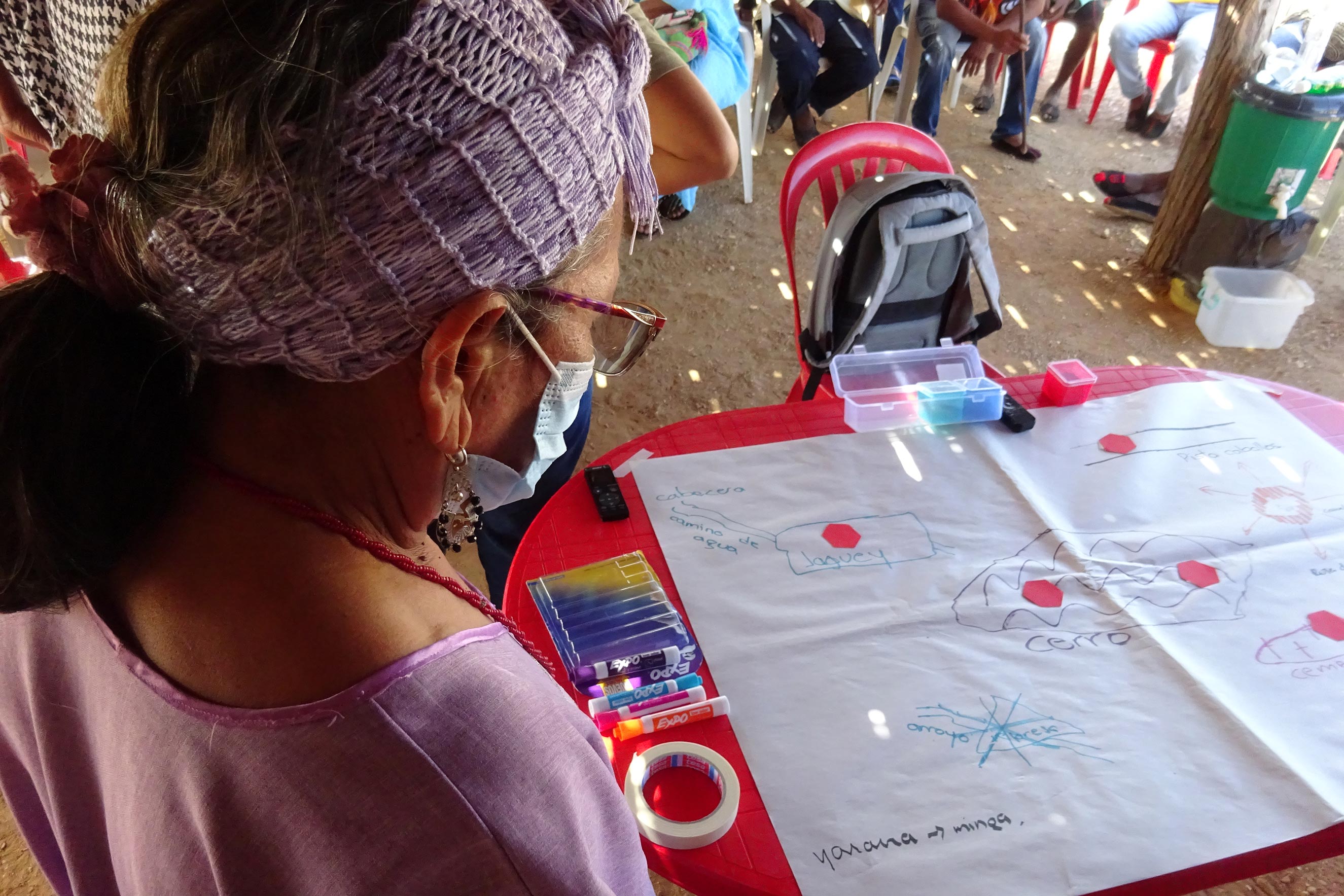
As Colombia plans its national energy transition, it is prioritizing the growth of renewables as a central element. However, expanding renewables presents its own challenges when not done in partnership with communities. One example: The arid northern Colombian region of La Guajira, where Wayúu communities have lived for generations, has become the target for ambitious plans to install 57 wind farms. In Colombia, there is a legal requirement for projects on Indigenous lands to receive informed consent from impacted communities before moving forward. Many Wayúu were not properly consulted prior to the development of these projects and are concerned they will significantly harm their way of life and relationship to their land. Ford grantee INDEPAZ (Instituto de Estudios para el Desarrollo y la Paz), a Bogota-based organization, has partnered with Wayúu communities to help them map the presence of renewables on their lands and provided research and workshops that help empower them when engaging with wind energy companies.
Many business leaders operate under the misconception that consulting with communities is a source of unnecessary risk. In reality, the reverse is true: Proceeding without their consent creates far greater liability and costs for extractive companies. Guaranteeing free, prior and informed consent for communities is essential for achieving a transition that works for all.
A Path Forward
These stories from Colombia, Indonesia, and South Africa demonstrate what becomes possible when communities are treated as essential partners rather than passive recipients of change. When Wayúu communities in Colombia can map renewable energy infrastructure on their lands and negotiate with companies from positions of knowledge and power, transitions become more just. When women coffee farmers in Indonesia gain access to solar technology and financial literacy, transitions create opportunity rather than simply shifting burdens. When South African journalists track whether promises translate into practice, transitions remain accountable to the people they’re meant to serve.
These interventions are relevant beyond the communities in which they have been initiated. They lay the groundwork for what can be achieved at the national and global levels with the right policies, funding and governance. They provide guidance for what the Belem Action Mechanism should be considering to build a truly just energy transition. As calls grow louder for rapid shifts to clean energy, it is critical that funders, governments, and other stakeholders in global development and climate action collaborate with those closest to the challenges to create systems that serve all people. If success can be demonstrated in one community, success can exist across all.