A Seat at the Table, A Voice on the Floor: How to Elevate Global Labor Dignity at the ILC
The future of work is often framed as an inevitable narrative about automation, AI, and markets, where the rights of workers are left out of the story. However, reflections from the 113th International Labour Conference (ILC) reveal a different story: one of social dialogue and the collective power of waste pickers, domestic workers, street vendors, and home-based and platform/gig workers sitting at the same table with world leaders and corporate giants to rewrite the rules of the global economy.
At the Ford Foundation, we’re reflecting on how the most potent tool we have to improve the lives of billions of workers is not a new app, but collective power, voice, and bargaining.
Understanding the ILC and Social Dialogue
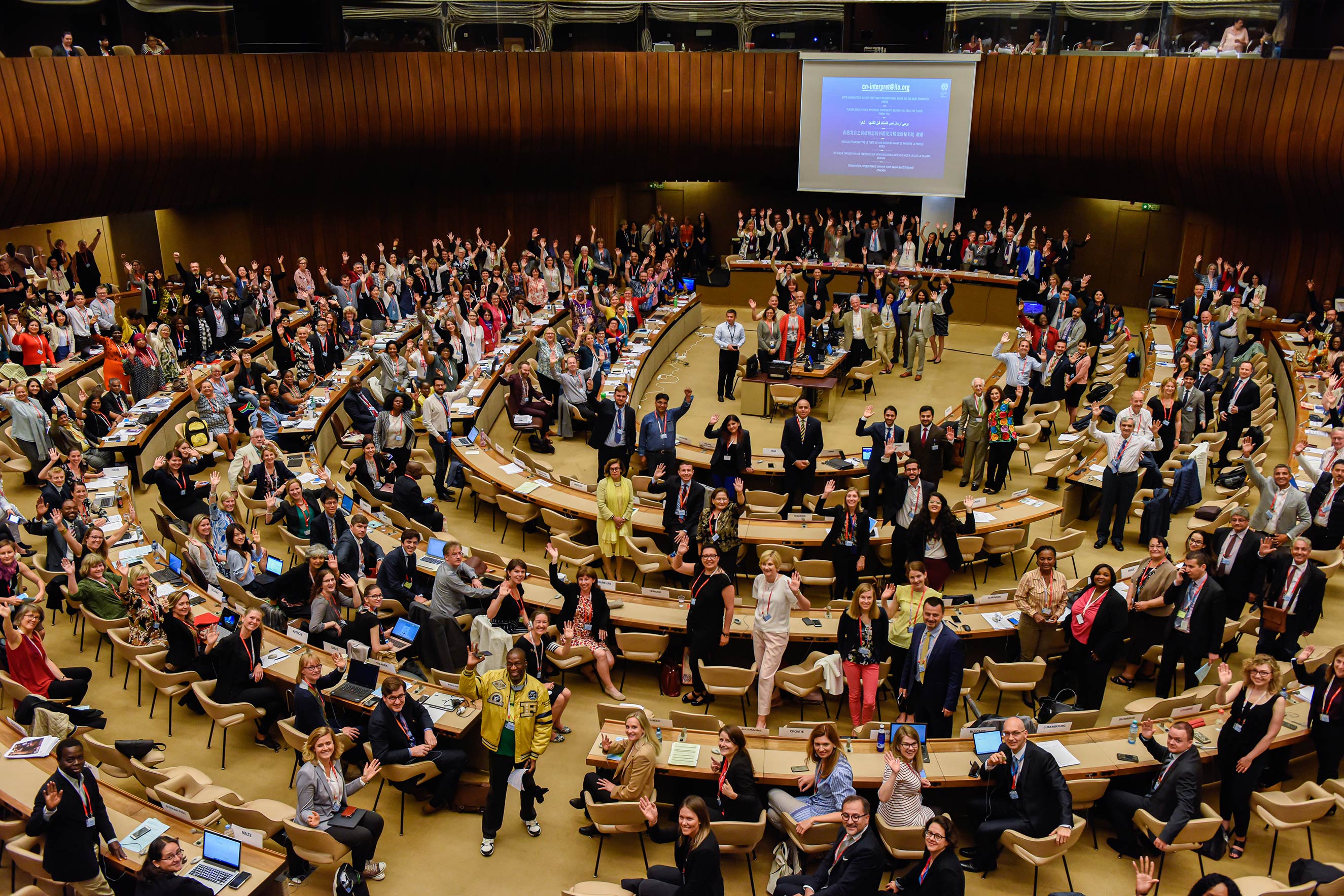
The ILC is the highest decision-making body of the International Labour Organization, a UN agency where 187 member states meet annually. It utilizes a unique three-part (tripartite) structure that brings together workers, employers, and governments to ensure global policy is co-created by those who do the work. The social dialogue structure has already moved mountains:
- Convention 177 provided historic recognition for millions of home-based workers.
- Convention 189 codified domestic work as actual work, entitling millions to protections.
- Convention 190 is the first treaty recognizing that everyone has the right to a world of work free from violence and harassment, including gender-based violence.
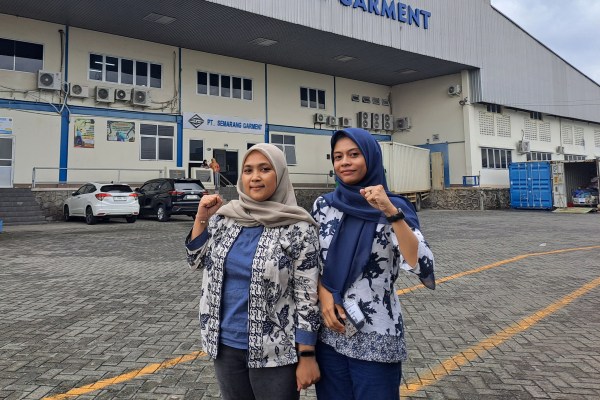
These international standards catalyze national reform. For example, April’s historic passage of a domestic workers bill of rights in Indonesia, after 22 years of struggle, was fueled by the spirit of Convention 189, even without formal ratification of the convention. Similarly, the Dindigul and Central Java Agreements respectively operationalize Convention 190 to transform the garment sector into a safer environment for women. In the digital sphere, workers and unions have leveraged ILC discussions to advance platform-specific regulations in Kenya, Mexico, and Malaysia that strengthen labor rights, social protection, and regulatory oversight.
These victories demonstrate that when international conventions and other instruments such as ILC Recommendations (which serve as non-binding guidelines) are combined with social dialogue and collective bargaining, they become dynamic tools that workers can use to negotiate a more dignified and just reality on the ground.
Platform Work: Digitalized Precarity and Informality
The 113th ILC marked the first standard-setting discussion on “Decent Work in the Platform Economy.” Securing the platform convention on the agenda took over a decade of advocacy by trade unions, worker associations, and worker-civil society groups to overcome explicit objections from tech companies, employers, and corporate groups. Over time, several governments were interested in engaging, as they needed and wanted guidance on holding transnational platform companies accountable.
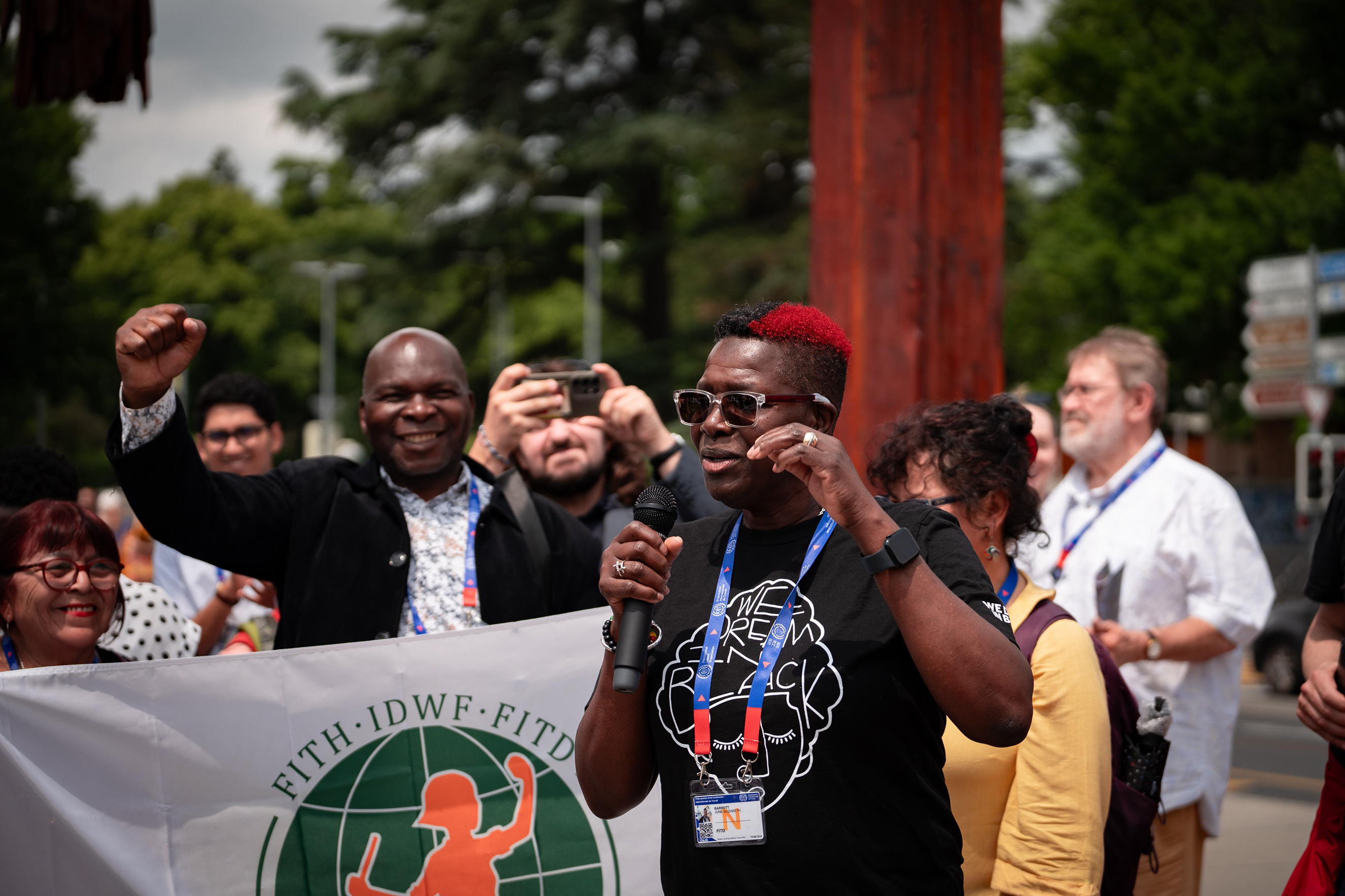
While many expected tech giants to drive the conversation with a narrative of unprecedented flexibility, worker groups—supported by Solidarity Center, the International Lawyers Assisting Workers (ILAW) Network, and International Trade Union Confederation—helped build the capacity of platform workers—including data labelers and ride-hailing, food delivery, and domestic workers—to advocate in ILC negotiations and engage governments on their priorities. Groups like Women in Informal Employment: Globalizing and Organizing (WIEGO) argue that platform work is often informal work with a digital interface. While the dominant narrative has always associated informality with ‘traditional’ economies and platform work with ‘modernity,’ the new reality in the world of work suggests that this shift to the gig economy is creating a new form of informality and denying workers their rights.
Whether it is a domestic worker finding jobs through an app, a ride-share driver navigating an algorithm, or a data worker who trains AI via digital platforms, the struggle for rights and representation is identical. By bridging these movements, decades of wisdom from the domestic worker, street vendor, home-based worker and waste picker movements are being applied to the tech-driven challenges of today and tomorrow (such as the ILO conventions 189 and 190 and the UN plastic treaty that were worker-won).
At this June’s ILC, advocacy efforts are centered on a proposed 2026 convention that addresses fundamental concerns like deactivation, remuneration, and working hours. Notably, this convention would represent the first binding international agreement to regulate algorithmic management, tackling a primary factor that degrades work in the digital sphere. Additionally, a key objective for many is the establishment of a rebuttable presumption of employment for digital workers which would shift the burden of proving employment status from individual workers—such as care workers, data labelers, and delivery drivers—to the multi-billion-dollar platforms that leverage their, often invisible, labor.
The Visibility of the Invisible: New Protections for Informal Workers
For funders, understanding informality is essential to understanding global inequality. Informality isn’t just a lack of a contract and an ambiguous employment relationship: It’s a structural exclusion from the legal and social protections that define modern citizenship. Informality defines life for 60% of workers worldwide, and up to 90% in the Global South. The 2025 ILC reiterated that fundamental rights like freedom of association and collective bargaining are enabling rights that must be realized from the start, and during the transition to formal employment, and not unlocked by or dependent on formalization. The 113th ILC also witnessed the formal inclusion of the International Domestic Workers Federation (IDWF) as an official member of the Council of Global Unions (CGU). This represents a monumental shift in the architecture of organized labor. Fifty years ago, domestic work was dismissed as a non-productive occupation, and those who performed it were not recognized as real workers.
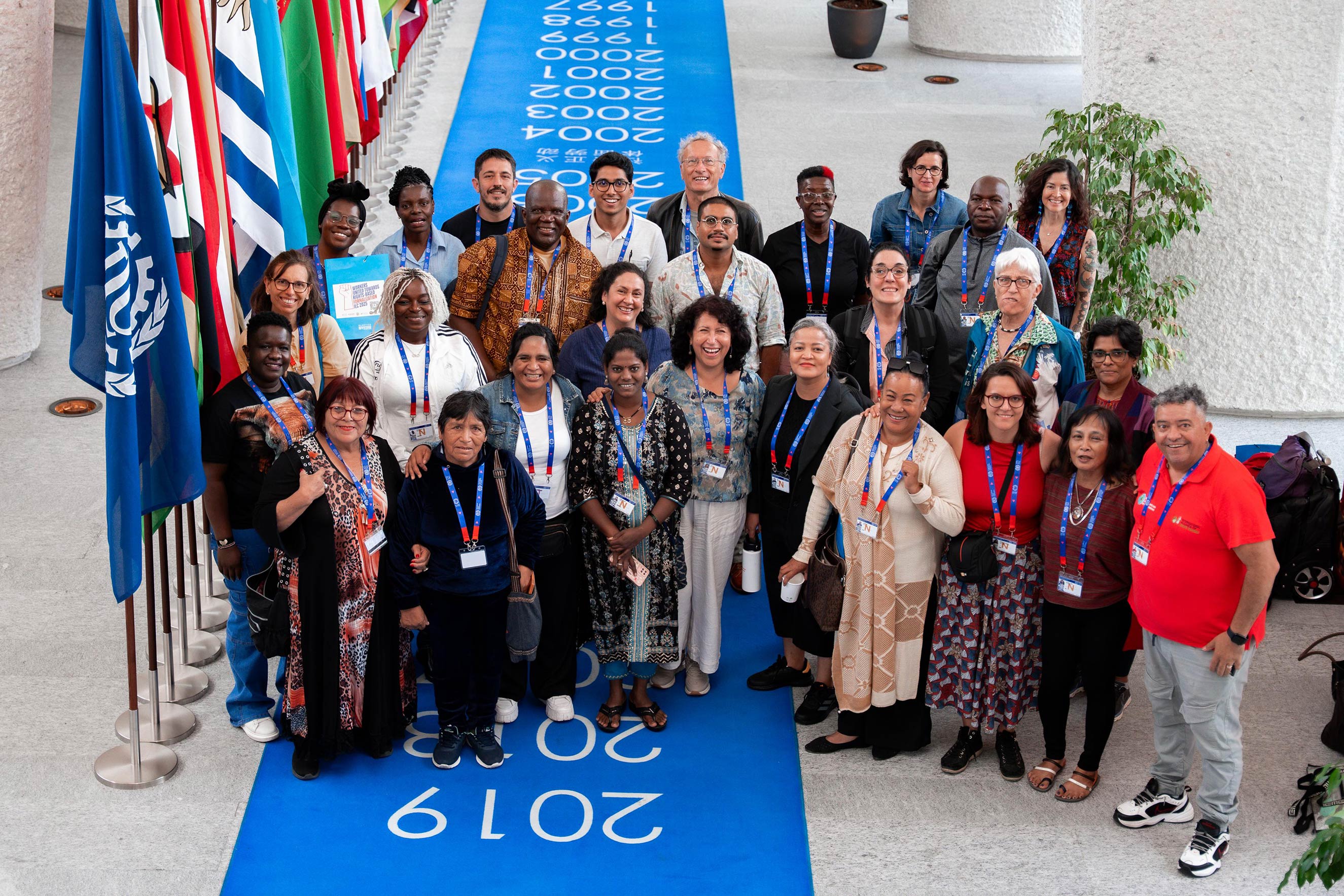
By joining the CGU, IDWF gained the status of an official actor in the space of international organized labor, and moved domestic workers from the sidelines of the labor movement into its highest decision-making corridors.
During the 2025 session, IDWF argued that care work is uniquely susceptible to the algorithmic trap, which ignores emotional labor or the unpredictable needs of a human patient. Their presence as official Global Union members ensured that the draft standards currently under debate for 2026 call for a “human in the loop” approach, protecting care workers from being reduced to data points.
These shifts were won through relentless organizing, strategizing, campaigning, negotiating, social dialogue, and collective bargaining by worker groups worldwide. Grassroots federations representing informal workers spent years building transnational alliances to arrive at the ILC with a unified global agenda. By demanding a seat at the tripartite table, workers forced a transition from being discussed to being negotiators. The slogan “nothing about us without us” has evolved to a practical reality, as informal workers are represented at negotiation tables and are proactively proposing policy solutions on issues that affect their livelihoods and lived realities. This is how collective power manifests itself when it is led from the grassroots.
The Crisis of Multilateralism and the Limitations of Social Dialogue
While we celebrate the hard-won worker victories in global spaces like the ILC, we must not overlook the current crisis of multilateralism and the legal barriers to social dialogue and collective bargaining. The multilateral system faces huge funding challenges and a global crisis that are affecting its ability to function at full capacity and as initially intended. Reaching consensus in a tripartite system while also building worker capacity for negotiation, bargaining, and alliance-building remains difficult due to power and resource imbalances.
Social dialogue effectively lifts the voices of informal workers in policy consultations, though many agreements are legally non-binding. Furthermore, informal workers are often represented by formal trade unions in tripartite dialogue, which can dilute the specific demands of workers in informality. Legal barriers also hinder certain categories of workers, such as own-account workers, from bargaining collectively, as most labor laws do not recognize workers outside an employment relationship. This necessitates innovative legislative reform and sector-specific bargaining laws that respond to the realities of informality and non-standard forms of employment.
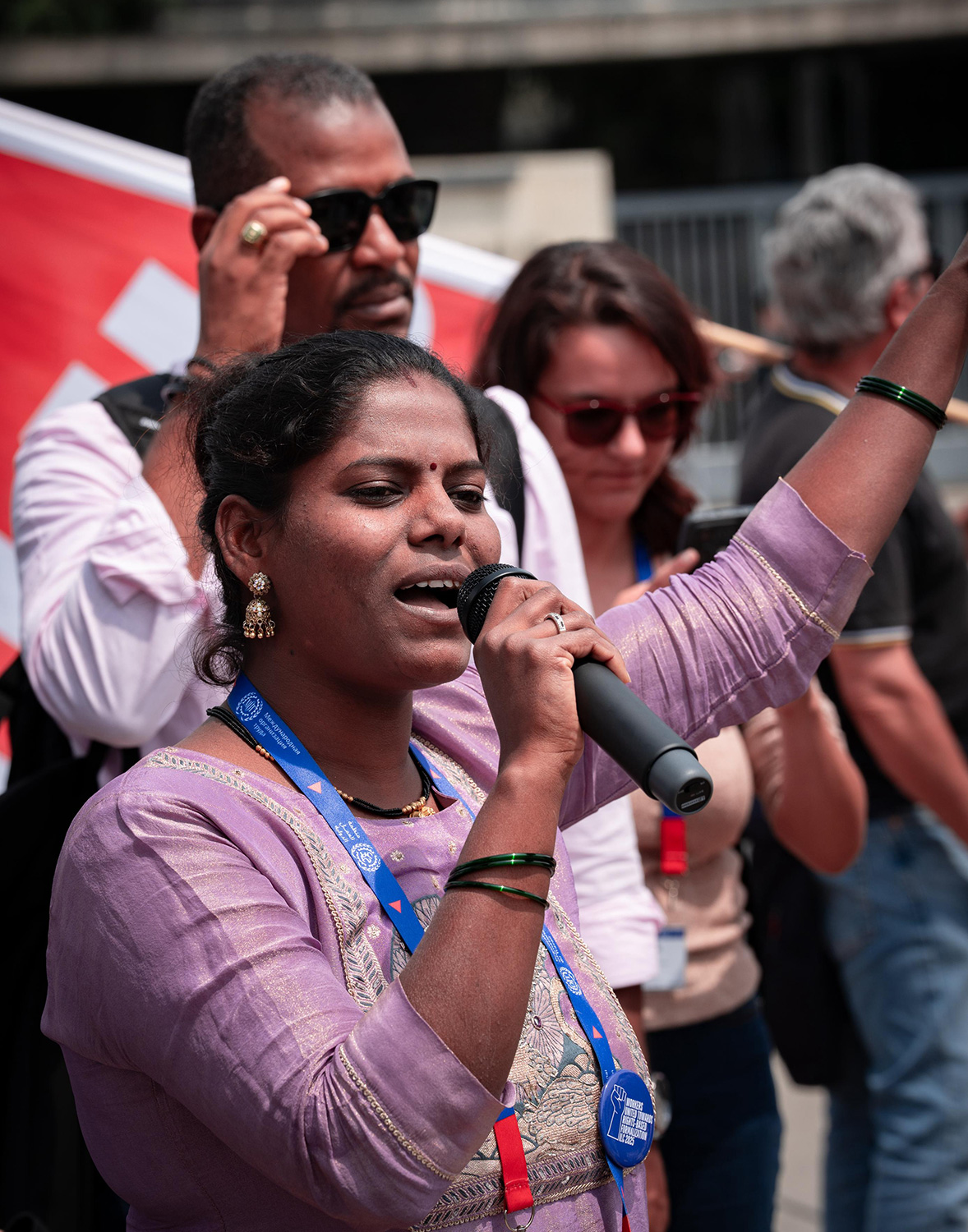
As more sectors shift toward platform work, there is an opening to bridge the disconnect between the formal and the informal, and for more inclusive representation of workers in social dialogue and collective bargaining. As the world of work shifts away from traditional industrial relationships, the labor movement needs to build on the expertise of informal economy workers in collective bargaining and negotiations. In a moment of uncertainty for the global economy and for multilateralism, movement building, collective power, and legal reforms are the practical roadmap for democracy building and economic justice, from the regional to the global.
Why Philanthropy Must Invest in Labor Diplomacy
Workers have the expertise to demand fair policies, but the resources of employer groups are vast. Employer associations have specialized lawyers and lobbyists dedicated to maintaining the status quo and actively combating worker gains in policy and litigation. For philanthropy, the call to action is to bridge this engagement gap.
We can support the infrastructure of social dialogue in multiple ways:
- Fund the Geneva Gap: Provide unrestricted grants to grassroots global/regional networks and federations to ensure they have permanent representation during ILO sessions.
- Fund Technical Capacity: Influencing the ILO requires legal expertise and data. We should support the researchers and lawyers who help worker groups deconstruct myths and problematic narratives such as higher productivity and tech-flexibility.
- Invest in Transnational Solidarity: The challenges of the informal and platform economy are borderless. We must fund the connective tissue between organizations so they can arrive at the ILO with a unified global agenda connecting the national and regional to the global.
- Build the Social Dialogue Muscle: Philanthropy can fund capacity building of worker groups for social dialogue and also support readiness programs that bring governments and worker organizations together to co-create policy in countries that lack tripartite mechanisms.
- Invest in new models of bargaining: Allow workers to innovate and exercise new levers of change with governments, employers, and capital.
- Create new spaces for dialogue and aligned vision: Coordinate between formal, informal, gig workers, and other movements like feminist, climate, migration, and tech policy and rights movements for more impact in shaping global economic governance.
- Support Freedom of Association and Enforcement Mechanisms: Foster these key prerequisites for workers’ ability to engage safely and freely in social dialogue and collective bargaining. Protecting democracy and fixing the economy are connected conversations, and enforcement mechanisms such as the ratification of conventions, national-level enabling legislation, and litigation play a crucial role in ensuring real change is not stalled.
The path to a fair future is paved with dialogue. The worker groups organized at the ILC are the most effective engines for progress in the international arena. They have lived experience and hands-on expertise in global spaces built over decades. With sustained, long-term, intentional resourcing and proper representation, they can make their collective voices heard to shape the rules of the global economy in favor of working people.
The future of work is being decided right now, one negotiation at a time. It’s essential that workers are leading the conversation.