
JustFilms Collection
-
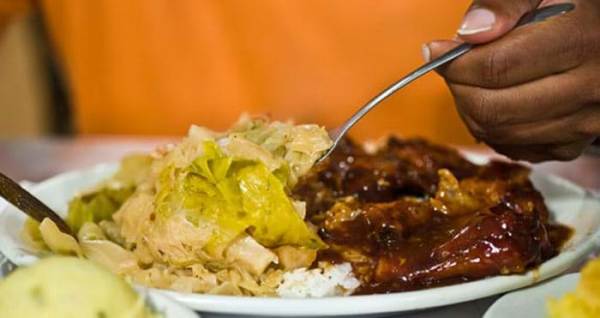
Soul Food Junkies
A culinary tradition goes under the microscope in Soul Food Junkies, which explores the socioeconomic conditions in predominantly black neighborhoods where it can be difficult to find healthy food options.
-
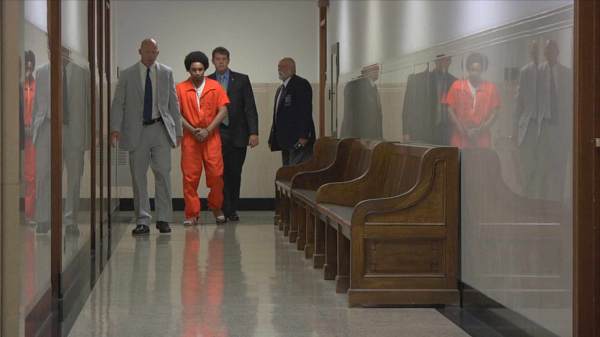
The House I Live In
The House I Live In examines the impact of the US war on drugs on everyone from the dealer and the grieving mother to the jailer and the federal judge and why it has endured for over 40 years despite persistent evidence of its moral, economic, and practical failure.
-

Why Poverty? Education, Education
In China, education is considered the only way out of poverty. But as the nation’s higher education system is increasingly privatized, college is becoming less accessible to Chinese youth. What will this mean for the future of the nation?
-
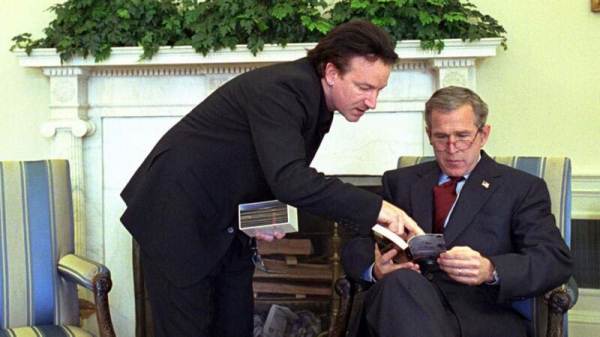
Why Poverty? Give Us the Money
Can celebrity be a force for positive change? Viewers go behind the scenes of global campaigns associated with rock stars, including Bono’s Drop the Debt and Bob Geldof’s Make Poverty History, to witness the successes, challenges, and legacies of these efforts.
-
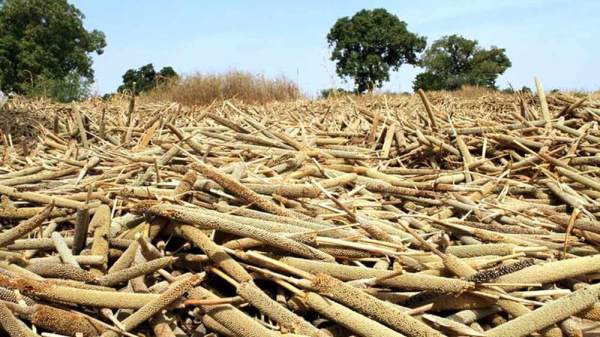
Why Poverty? Land Rush
With the rise of monoculture farming and globalized food production, Africa’s shifting landscape threatens the continent’s ability to feed its citizens. In Mali, an American plan for a vast sugarcane operation threatens the small-scale native rice farmers who have fed their communities for generations.
-

Why Poverty? Park Avenue: Money, Power, and the American Dream
On New York’s Park Avenue, number 740 in Manhattan is home to the highest concentration of billionaires in the US. Just four miles away, in the South Bronx, that same avenue runs through the country’s poorest congressional district, where upward mobility seems increasingly out of reach.
-
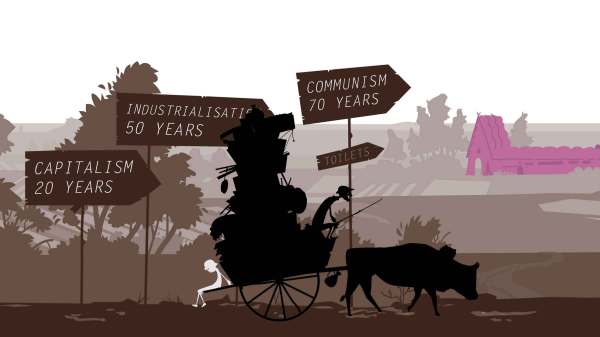
Why Poverty? Poor Us: An Animated History of Poverty
Viewers travel on a dreamlike animated journey through the history of poverty—from the conditions of early hunter-gatherers to today’s financial meltdown—to examine attitudes, drivers, and solutions.
-
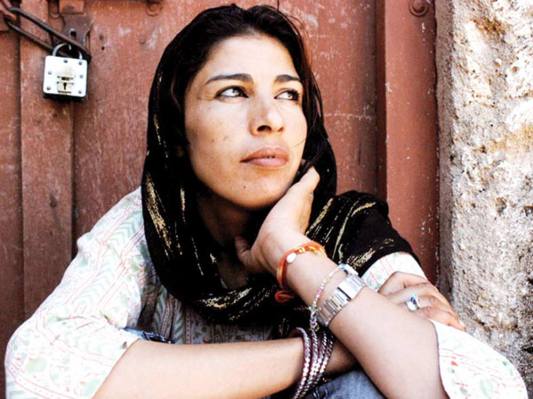
Why Poverty? Solar Mamas
The Barefoot College in India teaches middle-aged women from poor communities to become solar engineers. Rafea Anadi risks everything to take the course, which will teach her how to bring solar power home to her Bedouin community in Jordan.
-
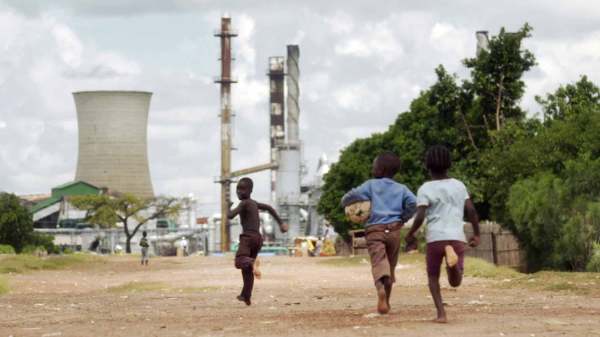
Why Poverty? Stealing Africa
Featuring interviews with heads of state, corporate insiders, and officials from major global financial institutions, this film investigates reports of widespread criminality by well-known multinational companies operating in Africa.
-
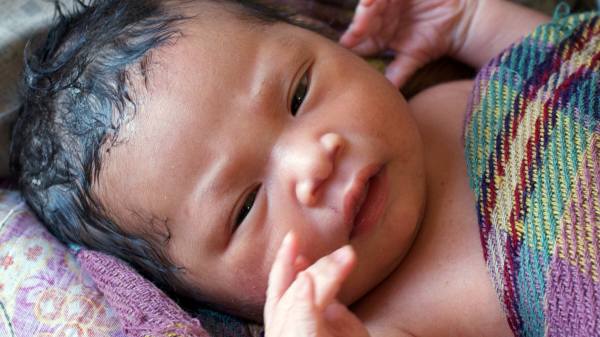
Why Poverty? Welcome to the World
We often hear that what happens within 24 hours of a child’s birth dictates that child’s chances of survival and ability to thrive in the long term. Documenting births in Sierra Leone, Cambodia, and the United States, this film puts that idea to the test.
-
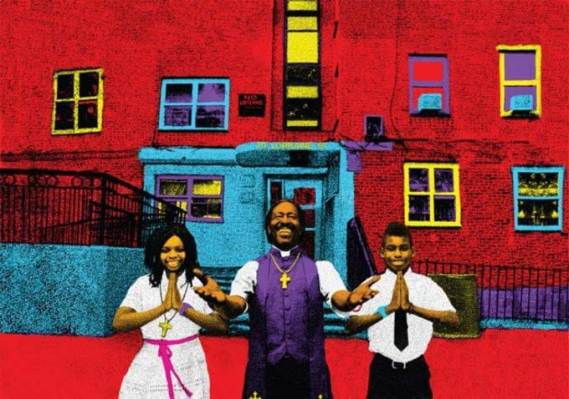
Red Hook Summer
Flik Royale’s summer vacation is upended when he’s sent from suburban Atlanta to stay with his preacher grandfather in the projects of Brooklyn.
-
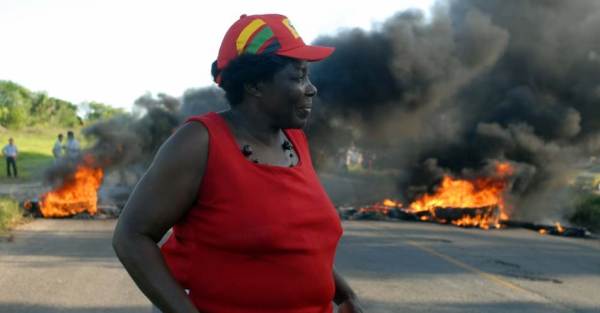
Raça
Three black Brazilians — the country’s only black senator, a pop star, and a granddaughter of slaves — create a vibrant portrait of a people fighting for racial equality in a country where half the population is of African descent.