
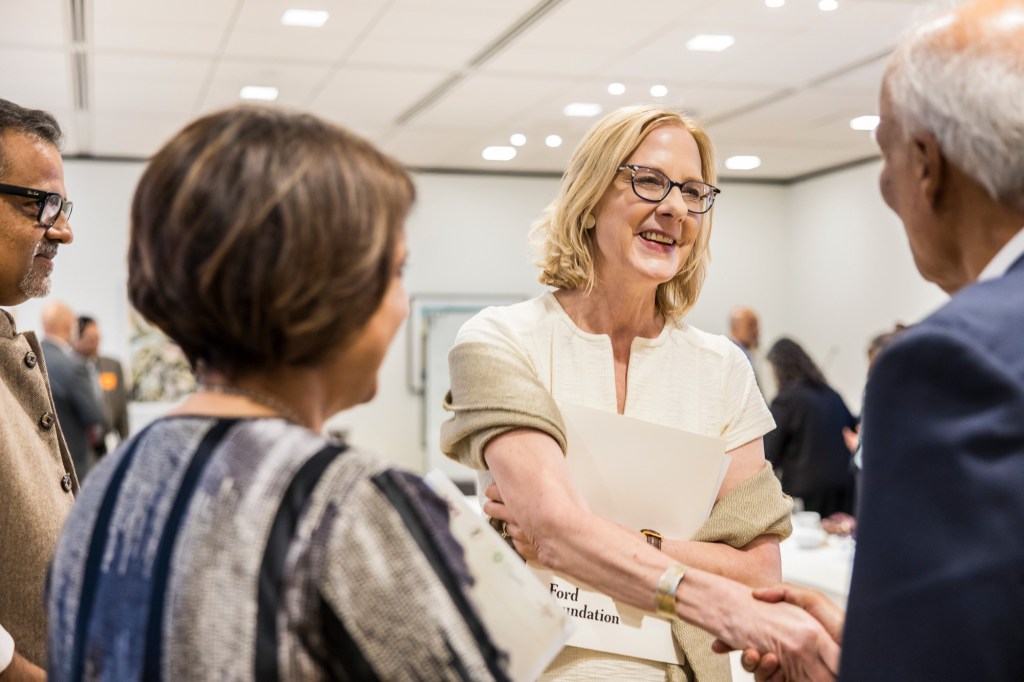
A Week of Shared Purpose
It was an honor to take part in the United Nations General Assembly (UNGA) and Climate Week this September. At these events, leaders from all across the world come together to dream up and begin to build a democracy that serves all its people. This year’s theme was “Restoring trust, managing transformation: A United Nations that delivers for all.”
Reimagining Global Governance
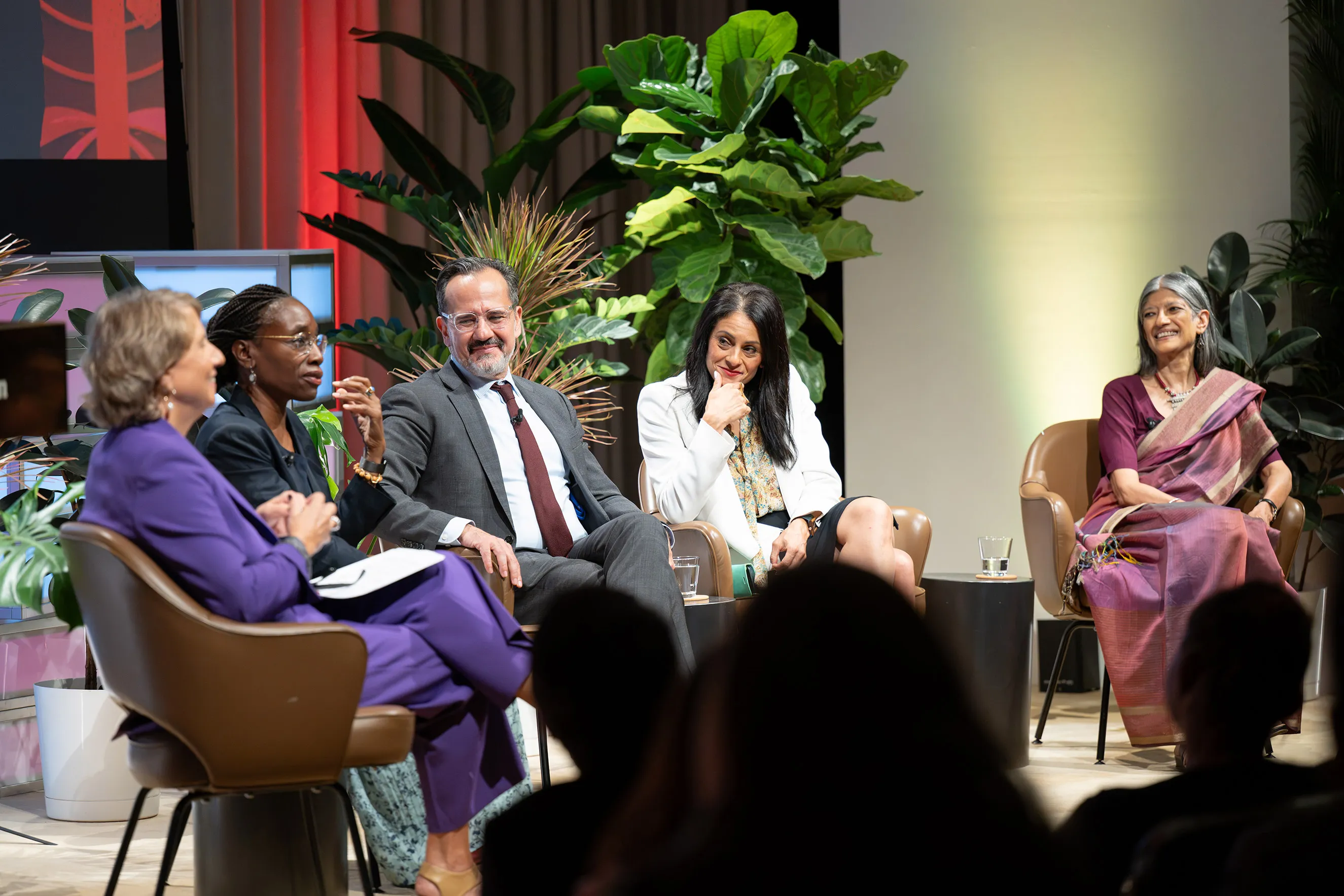
What will the world of 2030 or 2050 look like? What kind of global governance do our democratic values demand? I was thrilled to explore these questions with so many visionaries during “Remaking the UN,” a panel discussion hosted by Ford and Project Syndicate. It was a memorable opportunity to imagine institutions that are more accountable, inclusive, and responsive to the people they exist to serve.
During New York Climate Week, Ford and our partners convened discussions on improving natural resource governance, protecting environmental defenders on the front lines, and expanding community access to climate finance.
Thank you to the Natural Resource Governance Institute, the Climate and Land Use Alliance, and the LEAD initiative for hosting such timely discussions.
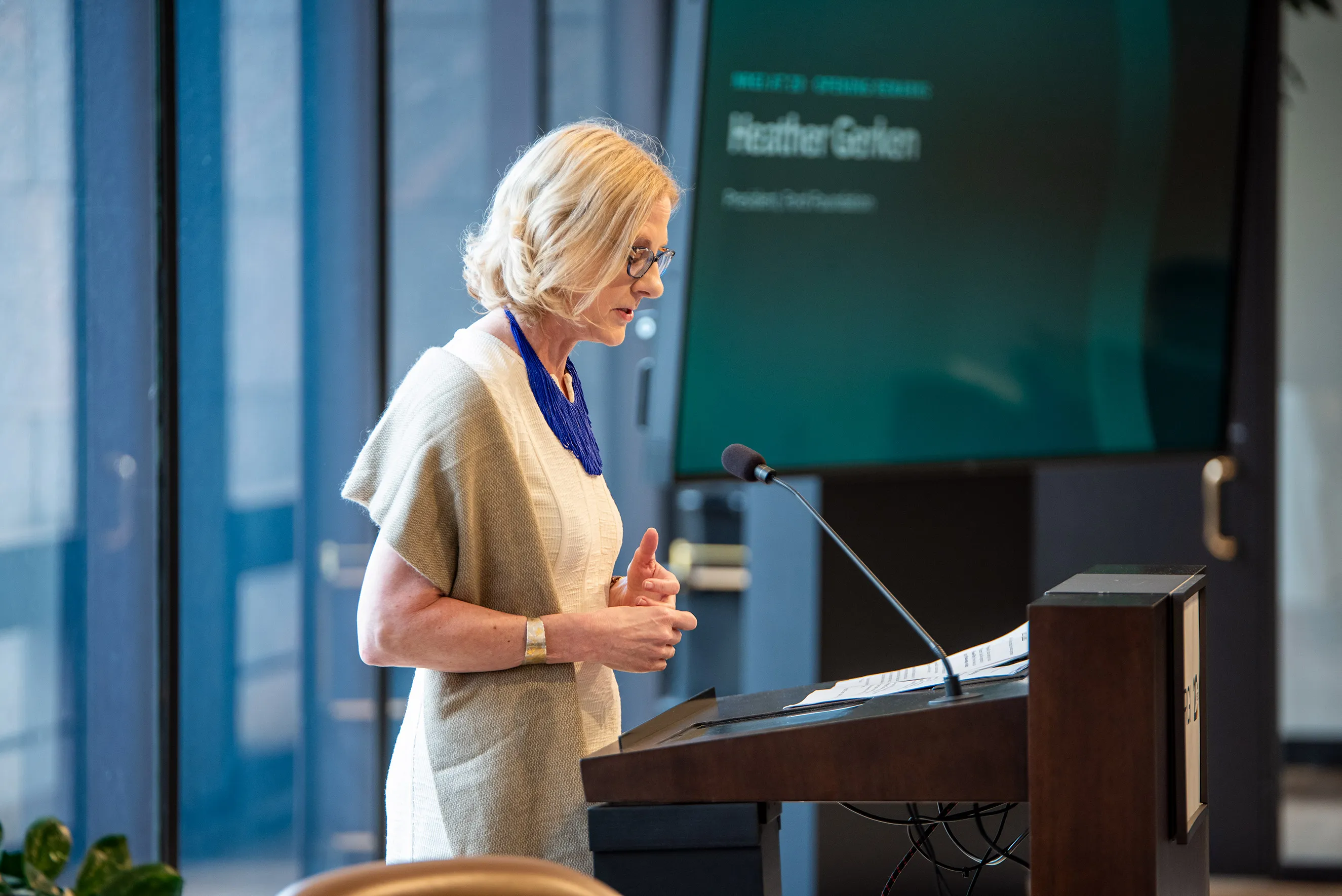
This year, the Open Government Partnership Leaders Roundtable marked its 15th anniversary. Over the course of its history, the Open Government Partnership has brought together civil society leaders, government institutions, and cross-border coalitions to protect our core democratic values and translate them into tangible practices.
Furthering Philanthropy’s Impact
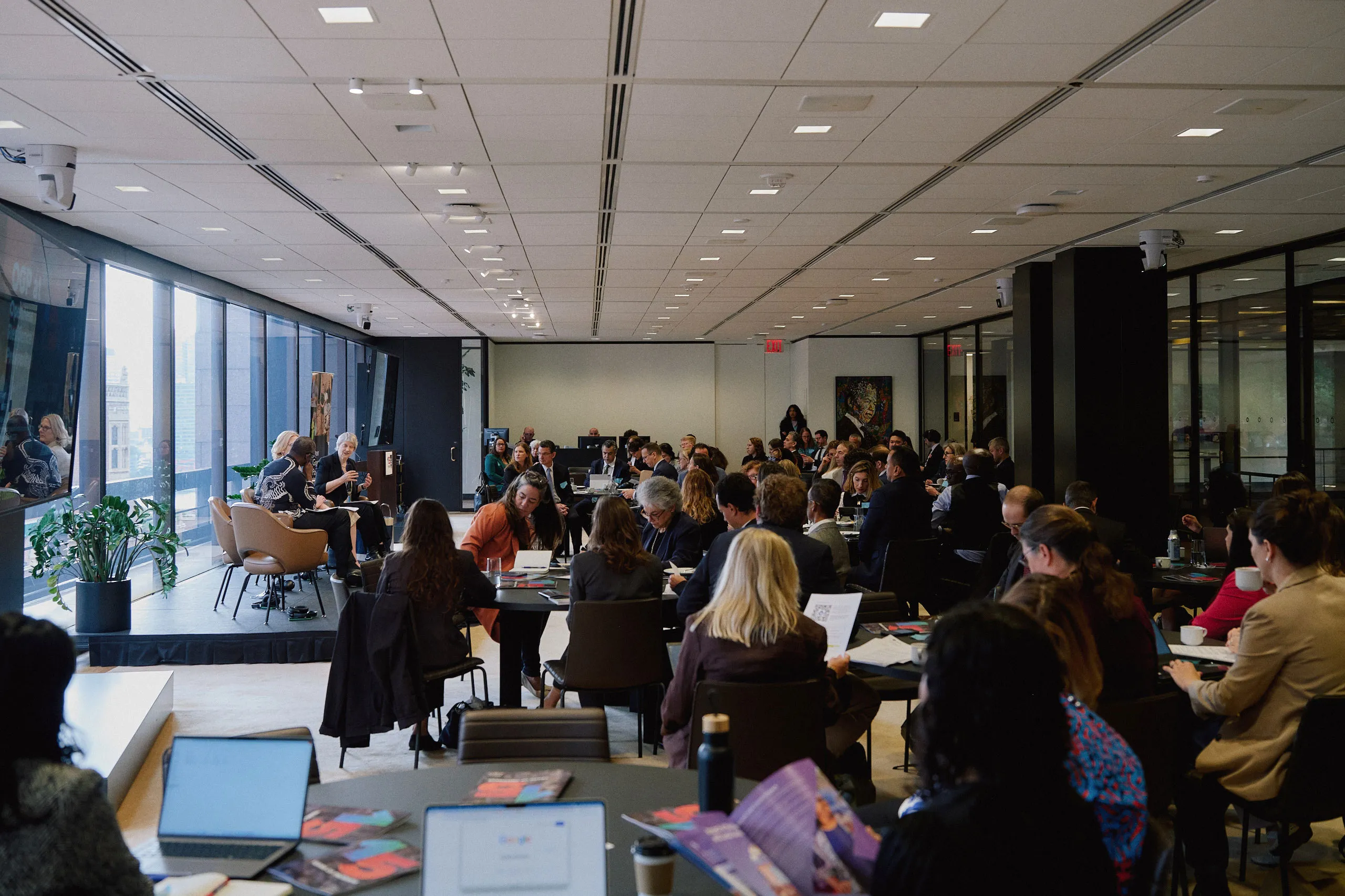
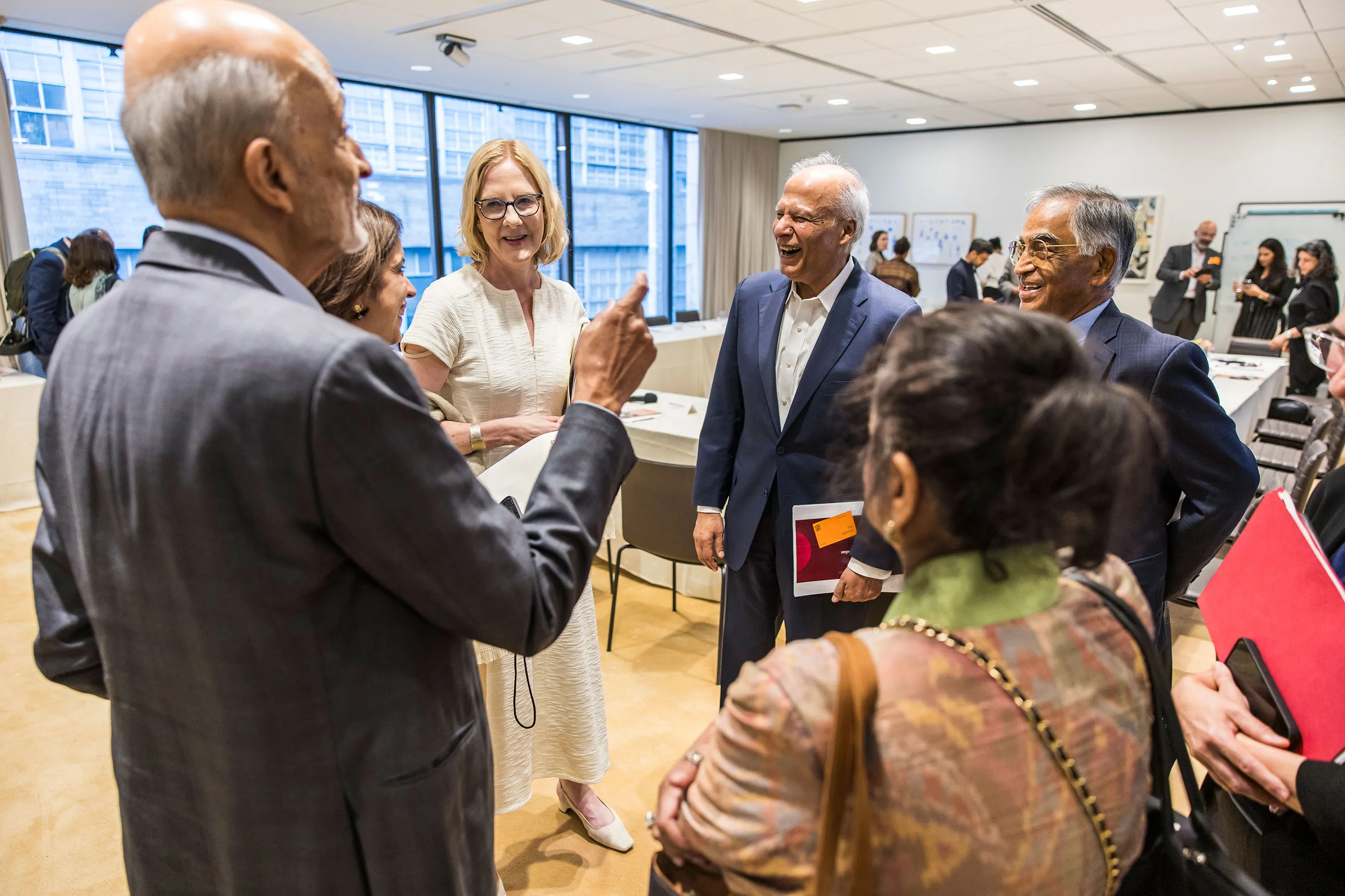
On the sidelines of UNGA, Ford hosted Indian American philanthropy leaders and organizations in New York to discuss how the community’s giving is evolving. Participants shared reflections about the thoughtful and patient nature of their philanthropy and the fact that women are increasingly setting the direction. Thank you to everyone who joined us and our co-convenors Dalberg, Dasra, Indiaspora, and India Philanthropy Alliance.
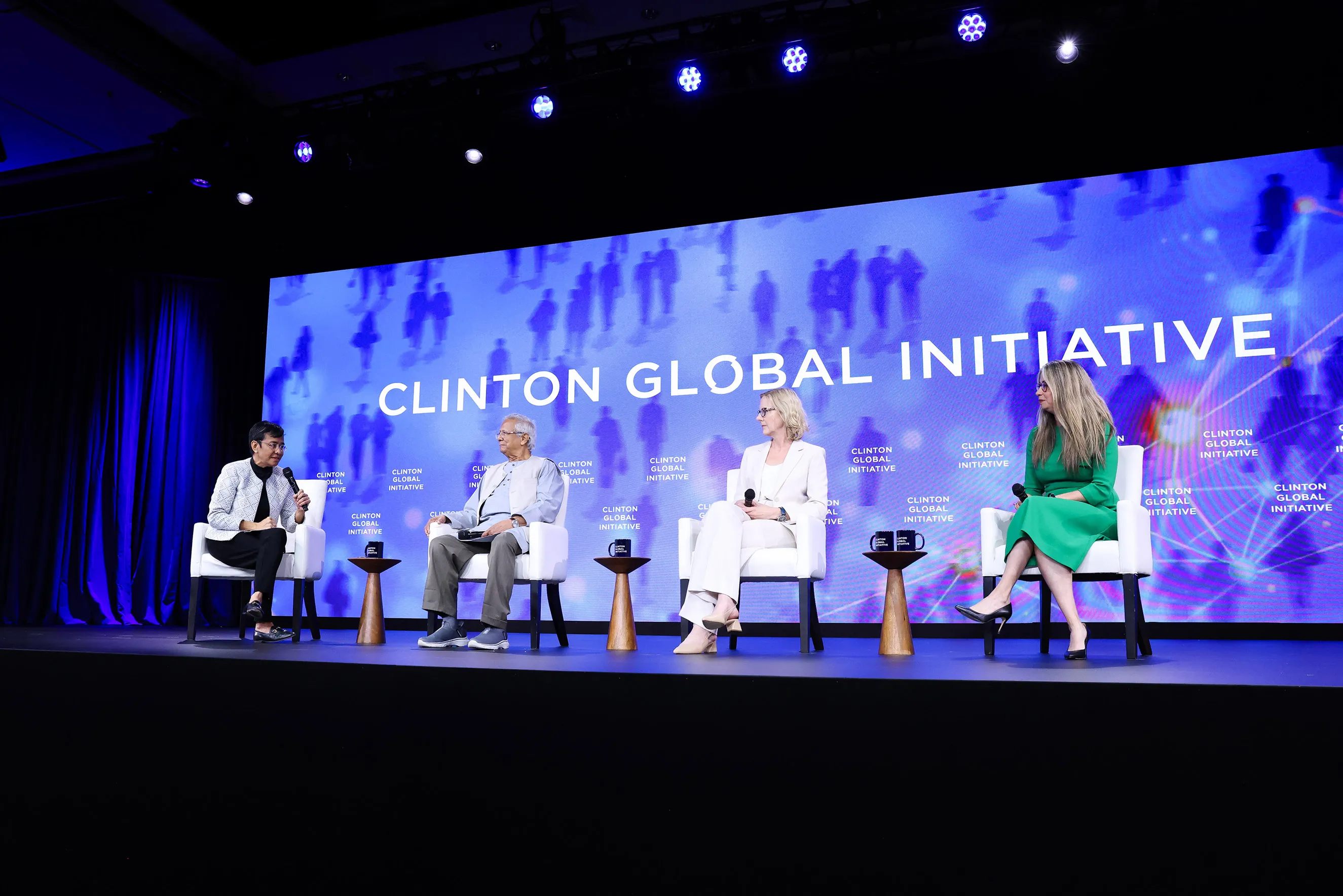
At this year’s Clinton Global Initiative Annual Meeting, I joined Bernadette Meehan, Professor Muhammad Yunus, and Maria Ressa for a conversation about protecting information integrity, building trusted nonpartisan infrastructure, and dreaming a new democracy into existence.
Dreaming a New Democracy Into Existence
Throughout this impactful week, one idea kept returning: Democracy is not a finished structure. It is something we imagine together and then build, day after day. I leave UNGA and Climate Week inspired by the ideas and leaders I encountered.