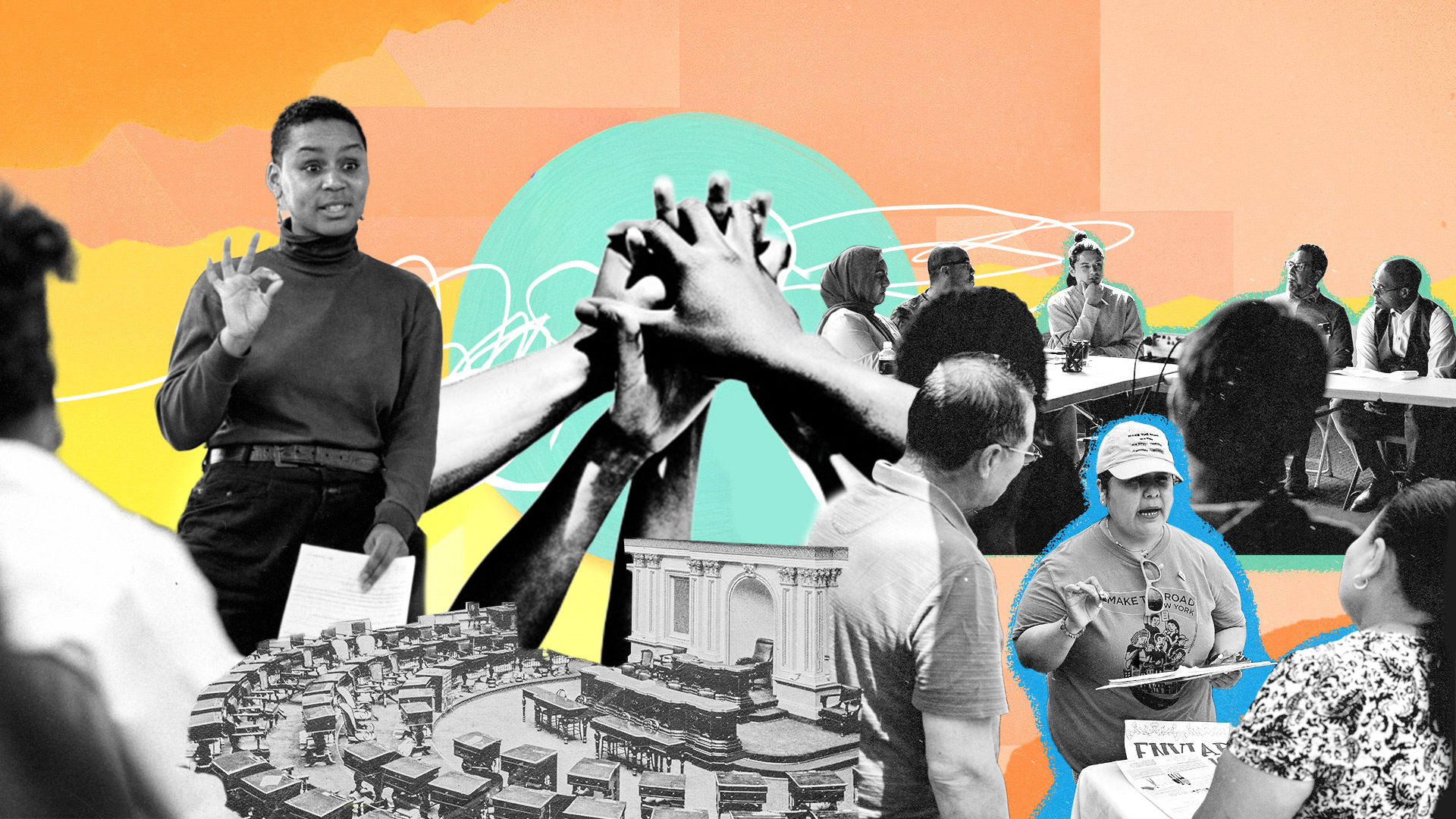
The Advancement Project is a multiracial civil rights organization built on a simple premise: Movement lawyers must work hand-in-hand with local communities to deliver justice and lasting change. Founded by attorneys, the organization pairs legal strategy with organizing and communications to build lasting power in local communities.
The nonprofit’s work spans three interconnected areas: making sure every eligible voter can cast a ballot, standing with communities harmed by police violence, and challenging the school-to-prison pipeline. Here, Carmen Daugherty, interim executive director of the Advancement Project, describes how the organization’s founding premise shapes their work—from the cases they take, to the relationships they build, to the young people they are investing in as the next generation of leaders.

See how leaders are safeguarding the rule of law
To protect Democracy and Rule of Law, Ford Foundation highlights efforts to support the local officials and advocates who ensure every American vote is counted.
Movement Lawyering: A Partner-Centered Model
Our movement lawyering model has its roots in the civil rights movement, and it starts with a simple commitment to listen before we act. Rather than dropping in with a fully fleshed-out legal strategy built on assumptions instead of partnership, we position ourselves alongside our partners as listeners and collaborators, investing in the deep-rooted work of building trust and relationships first.
Our partners are typically also our plaintiffs in litigation, which means we are automatically accountable to them, not just in spirit but by design. We never lose sight of the fact that we are doing this work on their behalf.
Litigation That Becomes a Launchpad
There is a set of strategies used to suppress the vote of people of color across the country. Consequently, many issues unfolding on the local level are indicative of trends nationwide. These local cases are where our litigation can be a launching pad that fights on behalf of communities of color, to ensure that every citizen is able to exercise the right to vote. We constantly track voting rights cases and legal precedents across the country so that we can be intentional about how our current cases might bolster current legal precedent.
We like to win our cases. Our legal strategy centers on a good set of facts and a clear understanding of the issues. Without a solid factual record, a claim can fail even if the underlying concern is real, particularly in voting rights litigation that succeeds or fails on proof of impact.
However, not every case needs to be won to be worthwhile. We advocate for our communities not just in the courtroom but also in the hearts and minds of everyday people. A case can shift narratives, build relationships, and lay groundwork for the future, even when the verdict doesn’t go as we hoped.
Community Work Alongside Litigation
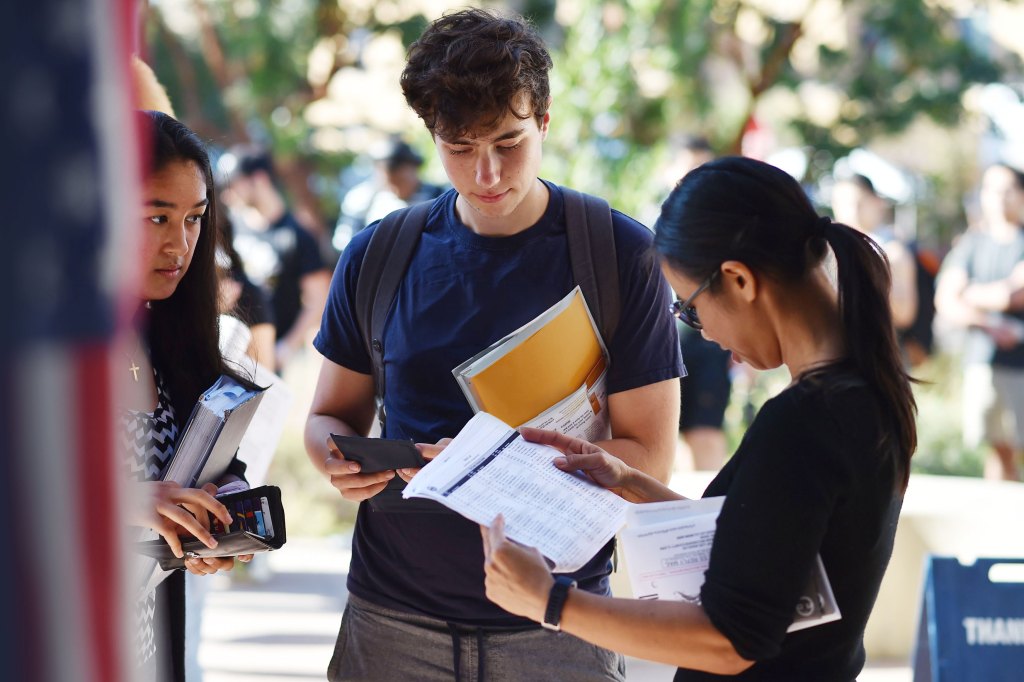
A court victory can fuel lasting power only if it begins and continues with real people. That means communities need to understand why voting matters, even before a case is filed. How will voting impact my life or the lives of my loved ones? When people find the answer, it brings them together and propels them to the polls.
After a legal battle, community members need to be on the ground, monitoring the results and meeting with election officials. They know their communities best. They carry the lived experience of what the litigation actually produced in people’s lives. These conversations feed into the review data we conduct on the effects of our cases. This informs what we do next, whether that means working with election officials or finding new legal avenues for change.
The Power of Young People
Young people are the future of this country. They will inherit the consequences of every decision we make today, which means we cannot leave them out of the conversation.
This is why many Advancement Project initiatives focus on youth. Our ActionCamps have trained over 1,500 youth and parents across the country on how to dismantle the school-to-prison pipeline. With the Alliance for Educational Justice, we supported over 30 local youth-led campaigns to end policing in schools.
Our task is to listen to them now and include them in our vision for the future. They know what they need in their schools and their communities. They have lived experience with the issues affecting them, whether that’s education justice or the criminalization and policing of their peers. They are not just the leaders of tomorrow. They already have ideas for solving the problems they face today.