
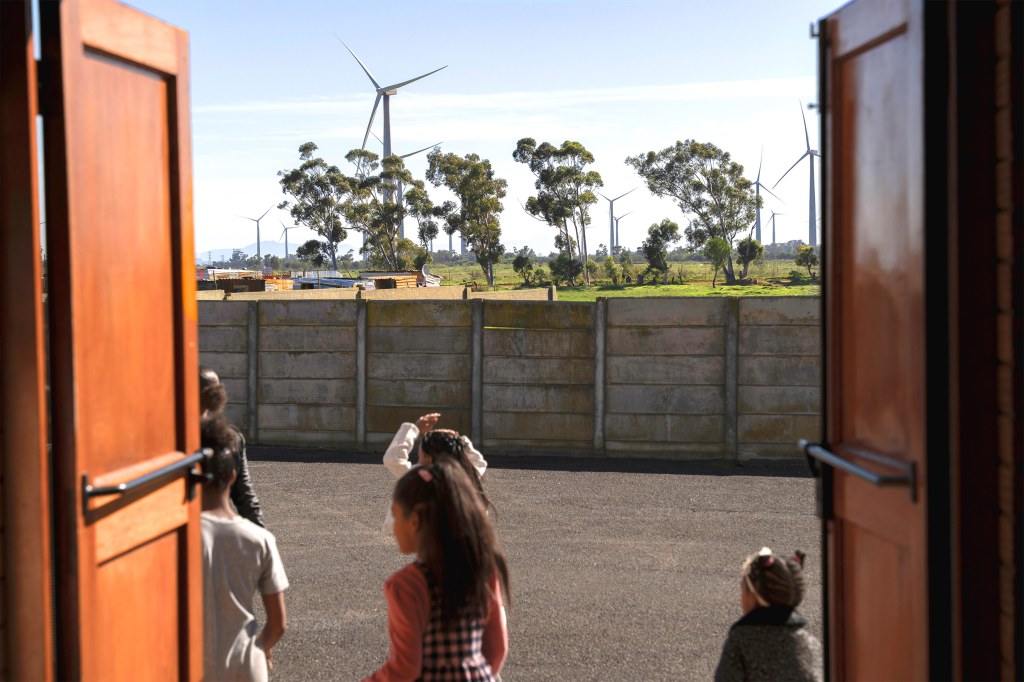
Wind turbines and solar arrays are now a familiar sight in South Africa. As in much of the world, the developers who erected these structures competed in a rigorous bidding process to win their contracts. But South Africa set a different bar. To be considered, companies had to prove their projects would generate local jobs and grant surrounding communities a direct equity stake in the renewable energy boom.
These requirements were set by the South African government’s Renewable Energy Independent Power Producer Procurement Program (REIPPPP), an innovative policy that is helping the country transition away from fossil fuels while addressing historic inequities.

See how leaders worldwide are connecting local solutions
From grassroots organizing to global policy change, People-Powered Solutions highlights efforts to protect community voices and agency across the world.
“It’s not common in the continent or anywhere in the world for a procurement program to be that detailed,” explained Holle Wlokas, managing director of the Initiative for Social Performance in Renewable Energy (INSPIRE). “On paper, the REIPPPP model requires energy companies to invest back into local communities, create meaningful jobs for Black South Africans, and share equity directly with local partners.”
This approach and overall commitment to achieving a just energy transition represents a significant shift for the country, which has a long and turbulent history with coal. For more than a century, South Africa’s reliance on coal drove its economic expansion through a system built on colonial and apartheid-era labor exploitation. While that energy model concentrated wealth at the top, local communities were left to shoulder the brunt of land loss, health costs, and environmental pollution.
For Wlokas, REIPPPP has the potential to help right these historic wrongs. But in practice, she says turning its commitments into lasting and equitable benefits has proved challenging. That’s why INSPIRE is working to strengthen the REIPPPP ecosystem to deliver on its promised economic and transformational impact.
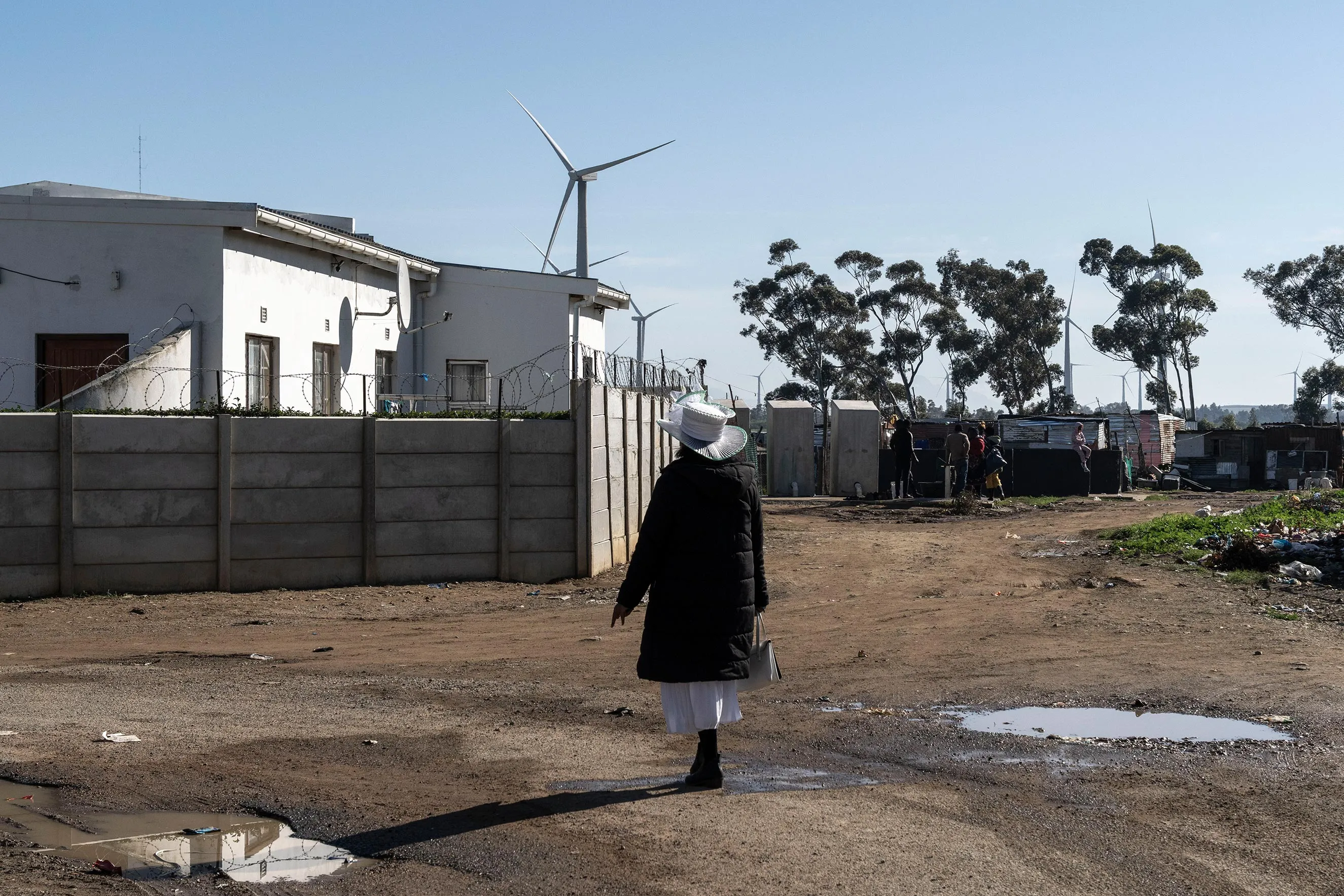
She points out that, on average, local communities own a 9% stake in the country’s renewable energy projects, usually through community trusts. The trusts are meant to represent communities and help ensure project profits go directly into funding local education, health care, infrastructure, and other priority areas for communities.
While these trusts were designed to give communities a meaningful stake and voice in renewable energy projects, many have struggled with governance and the challenge of translating formal ownership into active participation and tangible benefits.
“Sometimes developers design these structures unilaterally to secure project approvals without proper community consultation,” said Avela Pamla, project officer at INSPIRE. She explained that community representatives can also enter these structures without a clear understanding of how the trusts work or how decisions are made, leading more experienced independent trustees to wield greater influence.
INSPIRE launched its Trust Matters initiative to help level the playing field. The initiative provides trustees the knowledge, tools, and peer support to shape trust governance and unlock the influence their communities hold.
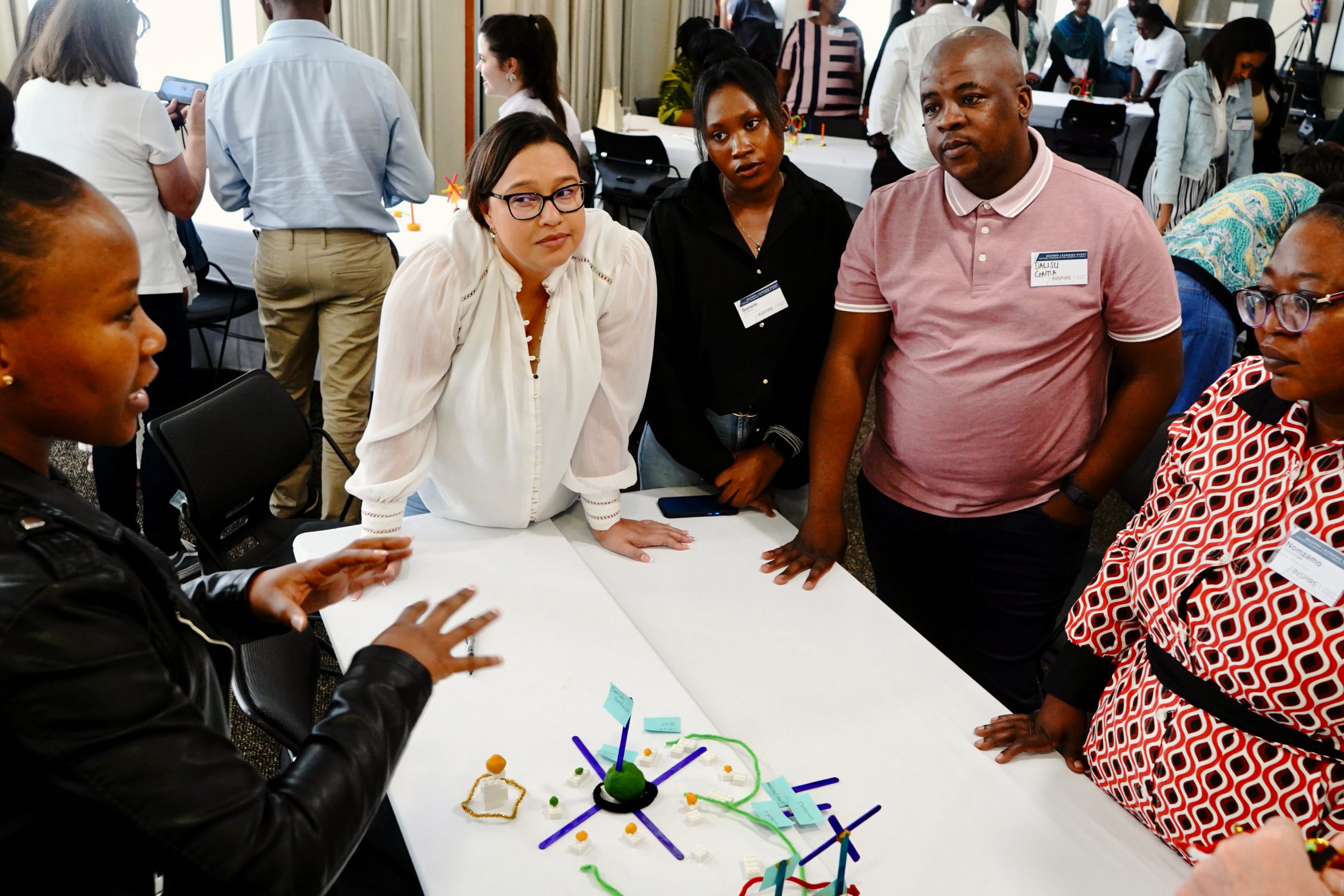
“The depth and reach of this initiative has really grown over the years,” said Pamla. After working with more than 40 trusts across the country, INSPIRE held a series of consultations and workshops with them to co-design the Trust Maturity Framework. The resource maps out the key players in the trust ecosystem and the factors that can help trusts deliver on their mandates. They also built a self-assessment tool using the framework that trusts can use to evaluate their progress, clarify roles and priorities, align around a shared vision, and strengthen engagement with the wider community.
Following South Africa’s commitment to expand its renewable energy capacity by 2030, INSPIRE sees stronger, better-connected trusts as a route to greater community agency and as an opportunity for the transition to deliver benefits that go beyond emission reductions. Wlokas believes that “the trusts have the potential to wield significant influence, but they need to mobilize collectively and in an organized way to advance a truly just energy transition.”
In addition to establishing a robust national network of trusts, INSPIRE is also taking lessons from its work in South Africa into wider energy transition conversations taking root across the Global South. Through the JustRE Alliance, which it helped found, INSPIRE engages in cross-border learning and exchanges with organizations working to strengthen community participation and large-scale renewable energy development. Through the alliance, practitioners exchange tools, evidence, and models across countries.
INSPIRE translated its Trust Maturity Framework into Spanish for partners working with communities in La Guajira, Colombia, while lessons from Indigenous communities there, including approaches to strengthening community rights and negotiating power, are informing future renewable-energy development on communal land in South Africa. According to Wlokas, the organizations of the JustRE Alliance “realized there is so much we can learn from each other, and we don’t need to reinvent the wheel everywhere.”
As the world experiences surges in support for fossil fuels and rollbacks on environmental protections, people-centered models like the REIPPPP and the work of organizations like INSPIRE demonstrate how climate action can be maximized and sustained. INSPIRE’s ambition is to strengthen a distinctly Global South voice in debates about what a just energy transition should look like, and to ensure that communities have the institutions, knowledge, and collective power to shape the energy economy being built around them. For Wlokas, the ultimate goal is to “raise the ambition for the role communities can play, moving toward a future in which communities become leaders of those investments.”

