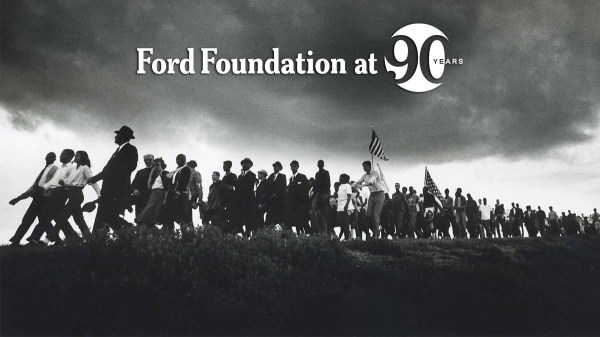

In 1936, the Ford Foundation began as a modest, local endeavor in Detroit. This year, as we mark our 90th anniversary, we look back on a journey that has seen a family trust evolve into a global catalyst for change.
In 1949, the Ford Foundation was on the brink of a radical evolution. The bequests of Henry Ford and his son, Edsel Ford, had transformed the foundation into the largest in the world, just 13 years after its inception. Harnessing the potential of that endowment meant Ford would have to transition from a Detroit-focused charity to a large international philanthropy.
To focus its giving, the foundation commissioned a blue-ribbon panel to determine how best to achieve its mission of advancing human welfare. “Basic to human welfare…is a belief in the inherent worth of the individual, in the intrinsic value of human life,” they wrote.
See how leaders worldwide are connecting local solutions
From grassroots organizing to global policy change, People-Powered Solutions highlights efforts to protect community voices and agency across the world.
Only by advancing human dignity, the panel advised, could Ford fulfill a global vision of social justice.
From that moment onward, the Ford Foundation’s international work has been in pursuit of that vision. We have found that durable progress requires a tripod of support: institutions, individuals, and ideas. Through my years of leading our international programs, I have seen these three not merely as categories of grantmaking, but as the machinery of change. Ours is more than a legacy of giving; it is a legacy of building.
Building the Institutions of Statehood and Sustainability
It began in the 1950s, when many countries around the world had recently won their independence and required a new generation of leadership to guide their democracies. We understood that for a nation to be truly free, it required the internal capacity to govern, to innovate, and to feed its own people. Rather than export solutions from our U.S. headquarters, we invested in local brilliance. In 1952, we established our first non-U.S. office in India, before rapidly expanding to Indonesia, Nigeria, Egypt, Brazil, Kenya, and Mexico.


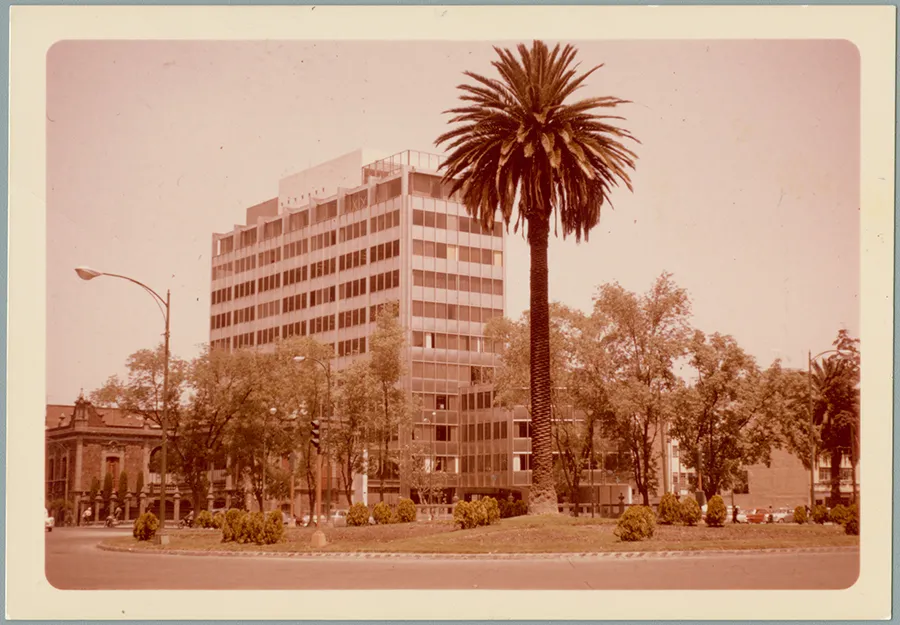
These regional hubs prioritized the training of a cadre of professionals, among them civil servants, by creating new institutions of higher learning, including the Indian Institutes of Management in Ahmedabad, Calcutta, and Bangalore, and the University of Nairobi, as well as the education of civil servants and technical experts in East Africa, Indonesia, Mexico, and the Middle East.
Building state capacity meant more than effective public administration, however, especially when half the world’s population faced chronic hunger. True dignity required a nation to be self-sufficient when it came to feeding its population, so Ford funded agricultural development programs and research institutions across the world. This work, in partnership with the Rockefeller Foundation and the United States government, spurred the Green Revolution, helping strengthen global food security and support self-sufficiency in food production. By building institutional capacity at national and international scales, we helped create lasting progress, outlasting any single grant or governance cycle.
Supporting the Individuals on the Frontlines of Justice
By the 1970s, we realized that supporting institutions was necessary, but not sufficient to support the development of partner countries. Institutions can ossify into stifling bureaucracies and be co-opted by outside interests. To keep justice moving, we knew we needed to invest in the advocates and the architects—individuals who can shape institutions for the better.
This philosophy underpinned what became one of our most significant worldwide investments: a series of international fellowship programs that ran until the mid-1990s. These programs were designed to identify and cultivate emerging talent on a global scale, supporting future leaders like Kofi Annan and other luminaries who would go on to reshape the international order.
About a decade after that initial fellowship era concluded, the foundation doubled down on this legacy by launching the International Fellowships Program (IFP). The IFP supported advanced studies for social change leaders from the world’s most vulnerable populations. These leaders went on to hold public office, direct international agencies, build civil society organizations, and mobilize grassroots campaigns to defend the rights of all people.
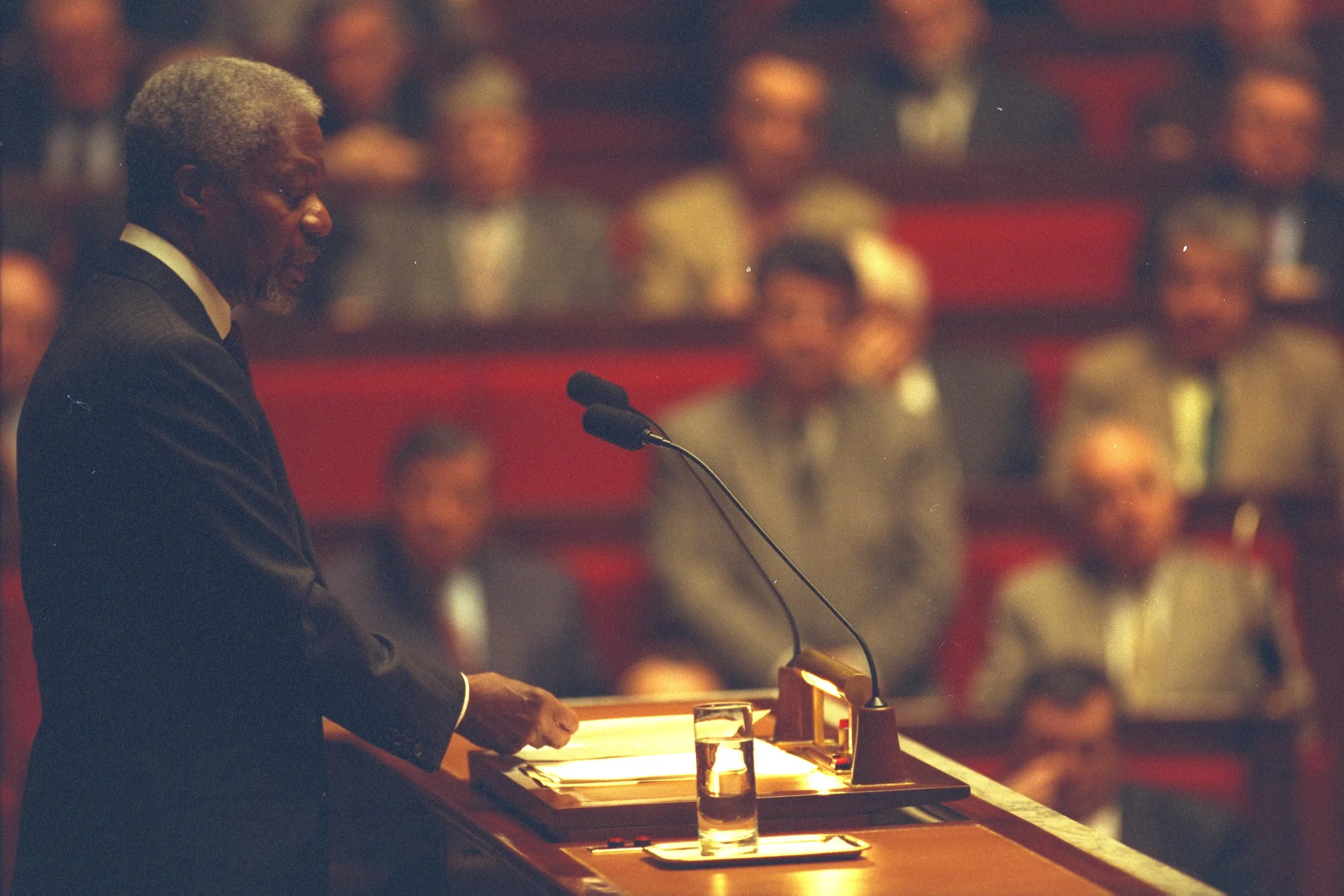
These flagship initiatives were paired with targeted support for individuals on the frontlines of specific crises. In Bangladesh, this meant supporting Muhammed Yunus and the establishment of the Grameen Bank, whose pioneering, Nobel Prize-winning work in offering small, collateral-free loans to low-income households began a global movement in microfinance. And across Latin America, we funded the documentation of human rights abuses and fostered intellectual inquiry during periods of dictatorship.
In South Africa, the foundation offered fellowships to brave scholars documenting the injustices of apartheid. We knew that if given a platform, dissenting voices could crack the facade of a repressive regime. This was paired with the establishment of public interest law centers throughout Southern Africa to help citizens overcome political persecution, secure socioeconomic rights, and tackle major postcolonial challenges.
All of these areas of work were rooted in our fundamental belief that those closest to the challenge are closest to the solution.
This work signaled a new era in Ford’s international work in the 1980s and 1990s: the strengthening of civil society. This included nurturing the emergent field of international human rights, including grants to groups like Human Rights First, Global Rights, and Human Rights Watch. It included investing in local civil society: In Indonesia, we partnered with groups spearheading the country’s transition to democracy, including those championing rural development, minority rights, and the preservation of diverse cultural traditions. By investing in these groups, we were investing in the defenders of democracy, empowering individuals to hold their own institutions accountable.
Advancing the Ideas that Shape the Global Order
If institutions are the scaffolding of social justice and individuals are the builders, then ideas are the mortar. While providing services and meeting immediate needs is essential, achieving durable change requires rewriting the underlying rules of global systems. While Ford continued to support projects, we also invested in the thought leadership that made more ambitious change possible, recognizing that narrative power precedes structural change.
This approach was put to the test in 1985 at the UN NGO Forum in Nairobi. Ford’s support helped bring nearly 15,000 women together, with participants from Africa outnumbering those from other continents. Thousands of women walked to Nairobi from villages and towns throughout East Africa to participate. The convening marked the beginning of a truly global women’s rights movement, and became a defining moment for feminist causes across the world.
Building on this momentum, and recognizing that a global movement required a global platform, Ford provided the single largest grant for the 1995 UN Fourth World Conference on Women in Beijing. These resources helped the forum with the physical and digital infrastructure necessary to function, and secured the participation of hundreds of advocates from the Global South. The conference served as a watershed moment, resulting in a landmark global consensus, codified in the Beijing Declaration, that “women’s rights are human rights, and human rights are women’s rights.” The agreement’s adoption was the culmination of decades of advocacy. It successfully shifted the international legal and moral framework, establishing a universal standard that recognizes the fundamental dignity of women as a cornerstone of justice.
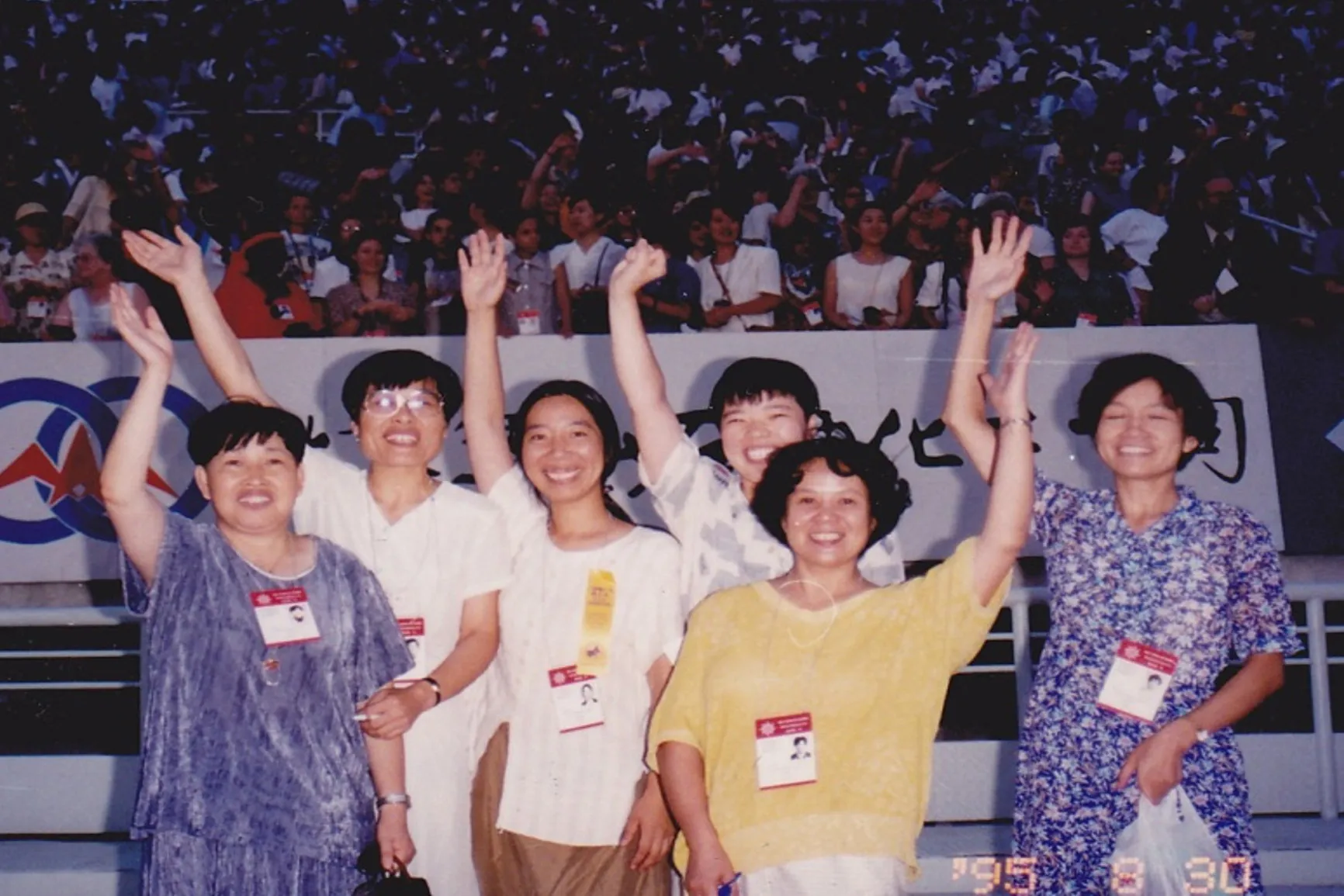
Nairobi and Beijing signaled a coming shift in Ford’s international work, in two important ways.
First, they showcased the power of focusing on the voices of those who had traditionally been underrepresented, if not outright silenced. A belief in the necessity of inclusivity ricocheted throughout our international grantmaking. In Egypt, we focused on helping low-income communities and women and youth gain greater access to basic services and social protection—efforts that benefited the whole of Egyptian society by centering those who were historically excluded. And in East Africa, we focused on helping underrepresented communities gain access to information, skills, and new economic opportunities: Our International Fellows program allowed over 380 Kenyans, Tanzanians, and Ugandans to pursue graduate studies, seeding a legacy of transformation that continues to resonate across the East African landscape.
Second, global convenings like the UN NGO Forum and the Beijing Conference helped transform local expertise into global standards, solidifying our belief that local voices belong on the international stage. Ford first expanded internationally with the understanding that the individuals closest to their own challenges would be best equipped to solve them. We have since seen that those very individuals have much to teach the world as well, with the potential to usher in global change.
Scaling Local Expertise for Global Impact
This nearly century-long lineage of building institutions, supporting individuals, and advancing ideas has converged on the most existential challenge of our time: the climate crisis.
Today, evidence consistently shows that Indigenous Peoples, Afro-descendants, and local communities are among the world’s most effective stewards of the natural world. Where these communities have strong rights to manage their lands, scientists have found lower rates of deforestation and higher biodiversity. Yet, for years, global decision-makers largely overlooked their contributions to addressing the climate crisis.
Starting in the 1960s, Ford began supporting communities across countries in Latin America, Asia, and Africa that were working to strengthen their land rights and protect their territories against illegal mining, logging, and natural resource extraction. Communities advocated powerfully within their countries and despite being spread out across the globe, many shared the same challenges. In the early 2010s, several of their organizations began forging ties across countries and continents. They recognized that organizing collective demands would allow them to engage in global dialogues and secure climate funding more effectively. With Ford support, they came together to form the Global Alliance of Territorial Communities (GATC), a platform that today represents Indigenous and local communities from 24 countries in Asia, Africa, and Latin America. Ford also supported research institutions that produced innovative studies on the role communities play in forest guardianship, as well as organizations like If Not Us Then Who? that support Indigenous and Afro-descendant storytellers.
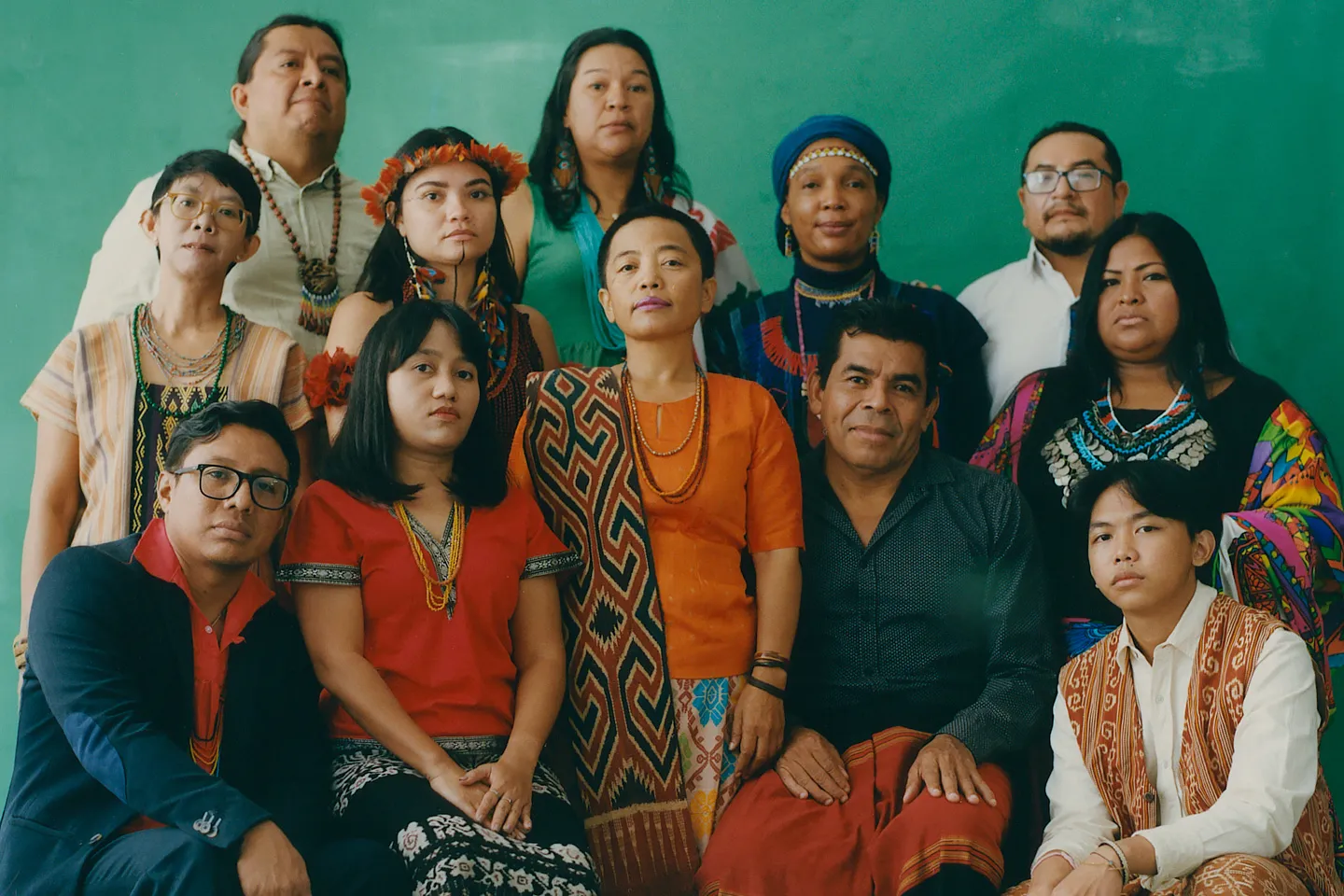
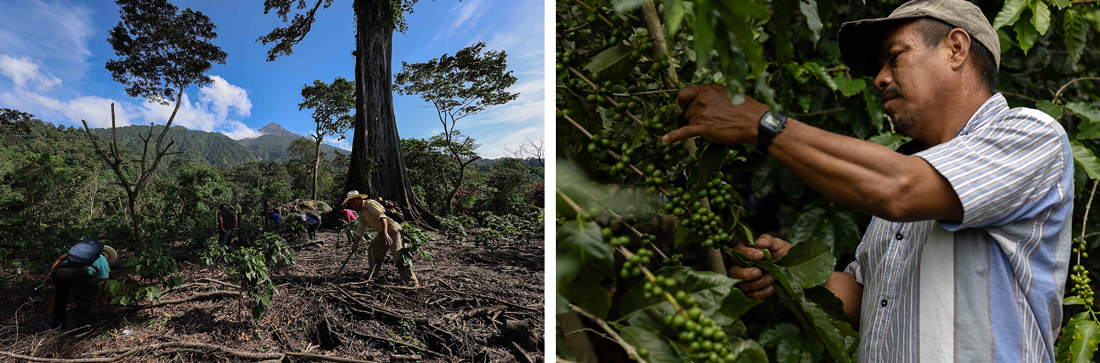
What emerged was a powerful coalition of community-based organizations, researchers, communicators, and non-governmental organizations that attracted the attention of funders and decision-makers at the national and global levels. With a unified message around the need to secure land rights and forest protections, they inspired the creation of the Forest Tenure Funders’ Group: a group of 25 bilateral and philanthropic donors, including the Ford Foundation, that committed $1.7 billion to defend community land rights and enhance forest protections at COP26, the UN Climate Change Conference in Glasgow in 2021. Indigenous and local community leaders delivered high-profile interventions at the conference, a significant shift toward meaningful participation in international dialogues.
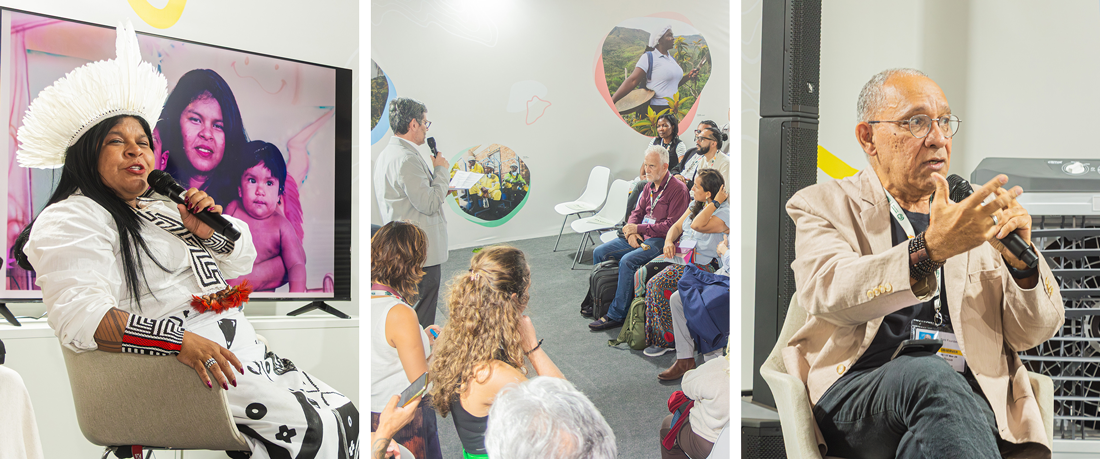
By 2025, COP30, held in the Brazilian Amazon, welcomed a record 5,000 representatives from Indigenous, Afro-descendant, and local communities. This milestone coincided with a renewal of the Tenure Pledge, with 39 donors committing another $1.8 billion to support the vital work of these stewards through 2030.
The Next Century of Building
As Ford celebrates its 90th anniversary this year, our long legacy of international work proves that durable progress begins on the ground and scales globally. Yet a new era heralds new challenges, from the role of AI and its impact on labor and land to the fraying of the international order that has been the foundation for so much peace and progress.
We will address these challenges the way we always have: by helping to build the institutions that serve as a bedrock for human welfare and progress. By supporting the individuals whose courage drives history forward. By advancing the local ideas that can shape global fora and decision-making. And by rooting all of our work, ever more, in a fundamental belief in people-powered solutions.