
Brazil
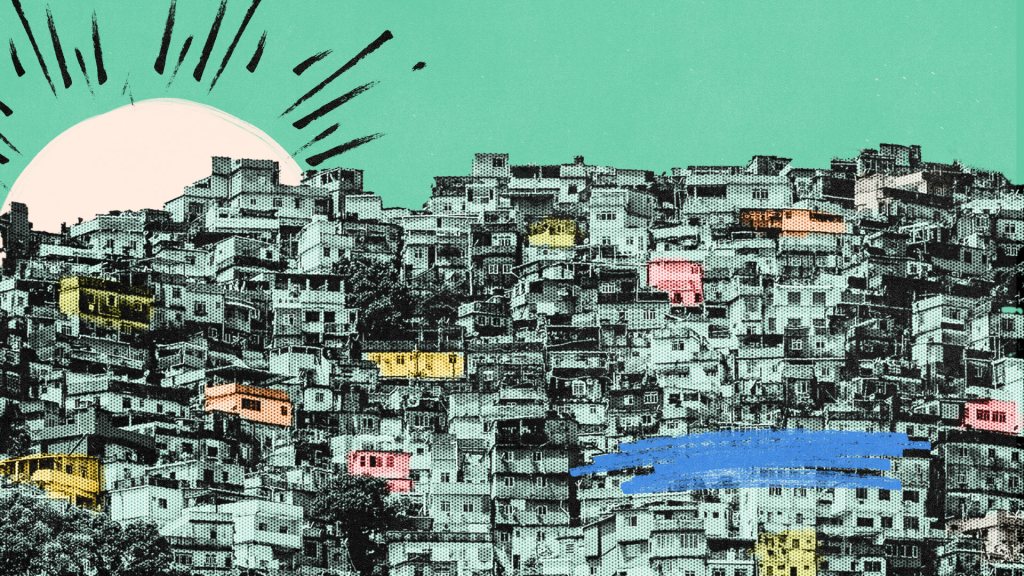
Deep-rooted discrimination lies at the heart of inequalities in Brazil, limiting millions of peoples’ full inclusion in society and key institutions, including government. This is especially true for Afro-Brazilians and indigenous peoples, who make up a majority of Brazil’s population, yet face overwhelming disadvantages in every aspect of their lives.
Brazil’s traditional peoples live with extreme social exclusion and under the threat of violence, struggling to protect their territorial rights while land ownership remains largely in the hands of the rich and powerful. To realize a more equitable country, Brazil must acknowledge that profound, longstanding discrimination has allowed inequality to thrive—and then move boldly to confront it.
Featured News and Stories
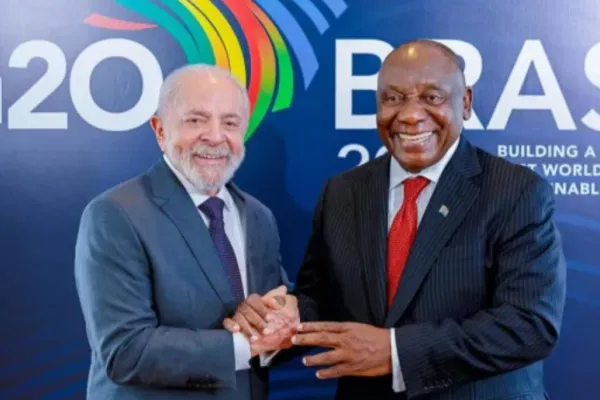
Opinion: The G20 Must Follow Civil Society’s and Social Movements’ Lead
The 2024 G20 meetings hosted by Brazil established a trend of centering civil society voices at this global fora. At the 2025 G20, South Africa must continue this momentum.
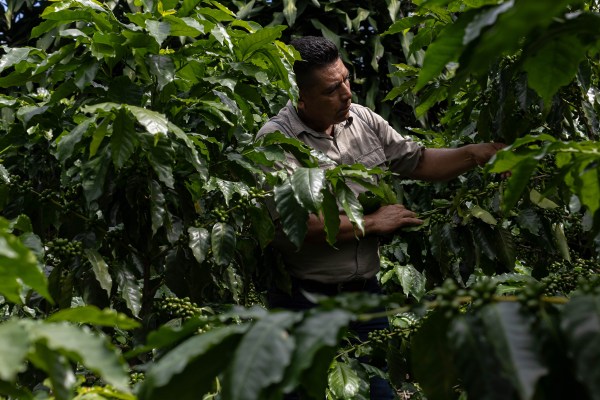
Fulfilling Our Commitment: Third Annual Update on Our Pledge for Tenure Rights and Forest Guardianship of Indigenous Peoples and Local Communities
Today, the Ford Foundation shares our third annual update on our COP 26 pledge to support the tenure rights and forest guardianship of Indigenous Peoples and local communities (IPs and LCs).
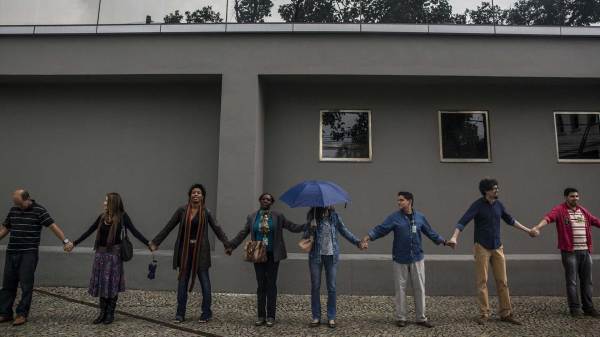
Philanthropy Takes Action to Promote Labor Rights in Brazil
A joint $8.5M USD fund supports labor movements and civil society organizations in Brazil and advances the rights of urban and rural workers.
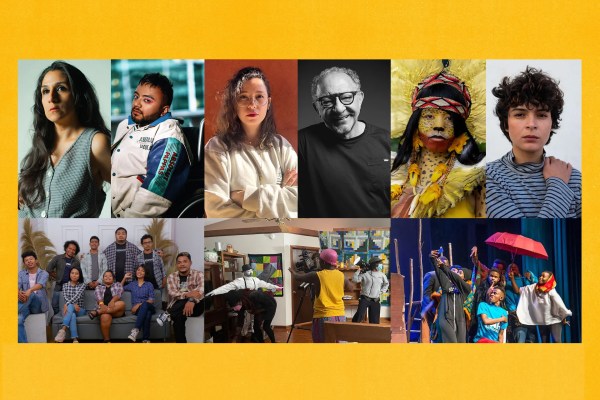
The Cultural Leaders Protecting Civic Space Worldwide
Meet the nine artists and organizations of Ford’s Creativity and Civic Space initiative who are working to protect and expand civic space around the world.