
Our origins
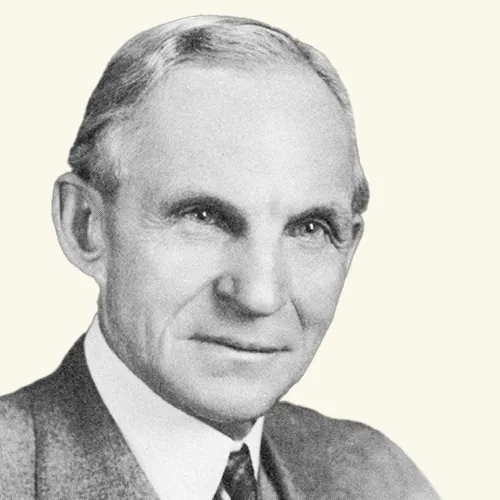
Henry Ford
Founder of the Ford Motor Company
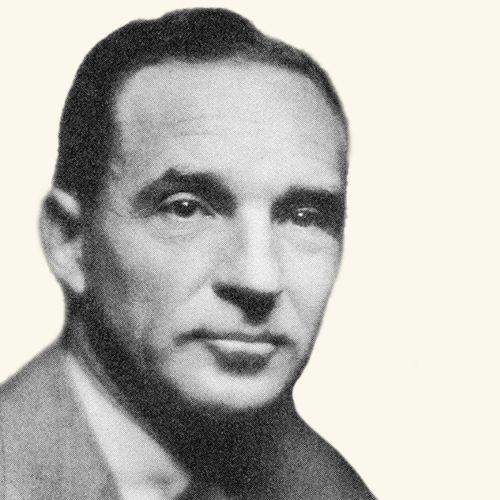
Edsel Ford
Henry’s son, who became president of the Ford Motor Company and later established the Ford Foundation
In 1936, Edsel Ford—son of Henry, the founder of the Ford Motor Company—established the Ford Foundation with an initial gift of $25,000. During its early years, the foundation operated in Michigan under the leadership of Ford family members. Since the founding charter stated that resources should be used for “scientific, educational and charitable purposes, all for the public welfare,” the foundation made grants to many kinds of organizations.
After Edsel and Henry died in the mid-1940s, their bequests turned the foundation into the largest philanthropy in the world. Henry Ford II, Edsel’s eldest son, assumed leadership of the foundation, and he and the board of trustees commissioned a blue-ribbon panel, led by H. Rowan Gaither, to explore how the foundation could best put its greatly increased resources to use.
The seven-member Gaither Study Committee recommended that the Ford Foundation become an international philanthropy dedicated to the advancement of human welfare through reducing poverty and promoting democratic values, peace, and educational opportunity. In 1949, the trustees unanimously approved the panel’s ambitious recommendations. Over the next decades, Henry Ford II remained a key figure in the foundation, serving as president and as chair and member of the board of trustees and overseeing its transformation from a local Detroit foundation to a national and international organization. He retired as a trustee in 1976.
In 1953, the trustees decided that to fulfill its expanded mission, the foundation should base its operations in New York. The foundation leased space in the city until 1967, when construction of a headquarters building was completed. That iconic building, designed by Kevin Roche John Dinkeloo and Associates, was later designated a landmark.
The foundation is an independent organization, led by a distinguished board of trustees whose 17 members hail from four continents and bring leadership and expertise in a wide range of disciplines. Today we are stewards of a $18 billion endowment, making $500 million in grants around the world every year. Led by Heather Gerken, our 11th president, we remain committed to our enduring mission—and to our legacy of bold, creative support for social change.
Presidents
Edsel Ford, 1936 – 1943
President of the Ford Motor Company and son of company founder Henry Ford, Edsel Ford created the Ford Foundation in 1936 at the age of 43 to “receive and administer funds for scientific, educational and charitable purposes, all for the public welfare.” An auto visionary in his own right, he also had deep interest in the arts and humanities. He died seven years after creating the foundation, at age 49.
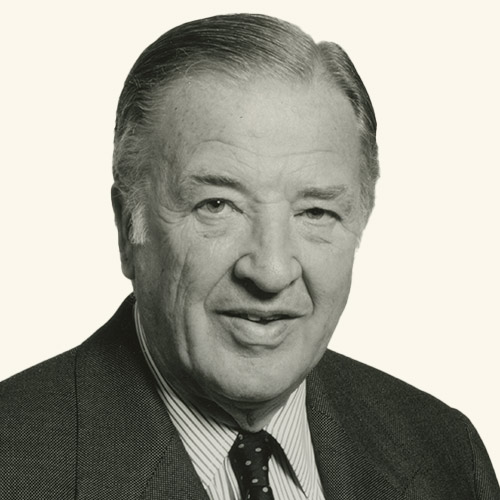
Henry Ford II, 1943 – 1950
The eldest son of Edsel Ford, Henry Ford II succeeded his father as president of both the Ford Motor Company and the Ford Foundation. With the bequests of his father, who died in 1943, and grandfather, who passed away in 1947, Henry II led the transformation of the foundation into the world’s largest philanthropy. He appointed a blue-ribbon panel to recommend enlarged programs for the foundation, commensurate with its resources. The resulting “Gaither Report” set out the fundamental ambitions and mission that still guide the foundation today. In 1950 Henry II became chair of the foundation board and served as a trustee until 1976.
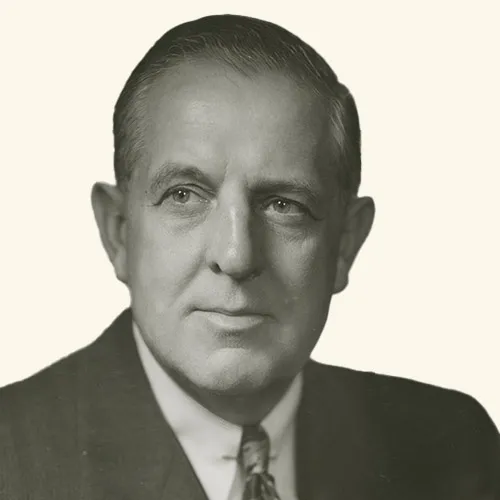
Paul G. Hoffman, 1950 – 1953
Prior to becoming president of the foundation, Hoffman was an executive of the Studebaker auto company and played a role in implementing the Marshall Plan in the late 1940s. During his presidency, Ford began its commitment to public media, launched its first fellowship programs, and opened its first international office in Delhi, India. Hoffman later headed the United Nations Development Programme.
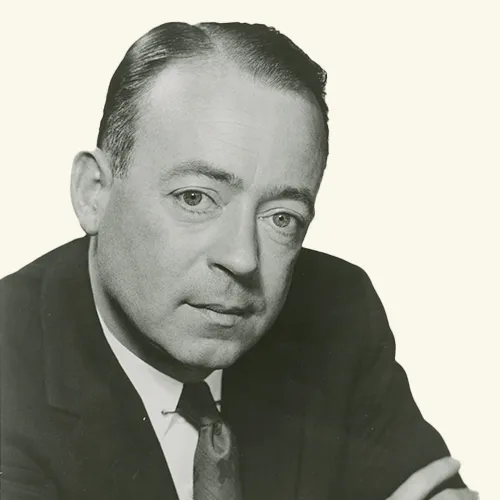
H. Rowan Gaither Jr., 1953 – 1956
Gaither was a respected California attorney who led the study committee that transformed the foundation under Henry Ford II. As president, Gaither expanded the foundation’s international programs to Indonesia, South Africa, and Israel and began work in higher education in the United States. He became chair of the board in 1956.
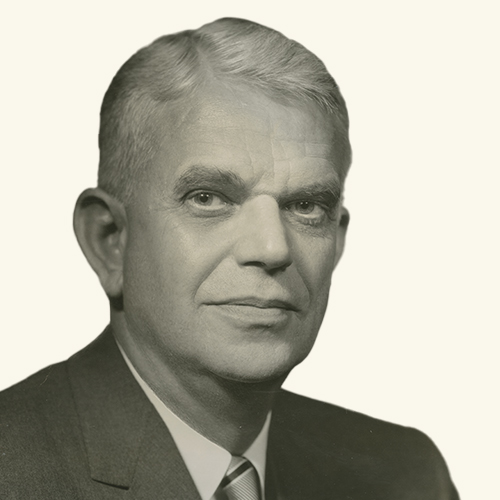
Henry T. Heald, 1956 – 1965
Heald resigned as president of New York University to join the foundation. He greatly expanded investment in higher education, including in teacher training, distance learning, and improved facilities. He also led investment in Europe, Africa, and Latin America. During his presidency the foundation made major contributions in agriculture (the Green Revolution), legal aid for the poor, and fellowships for the arts and humanities.
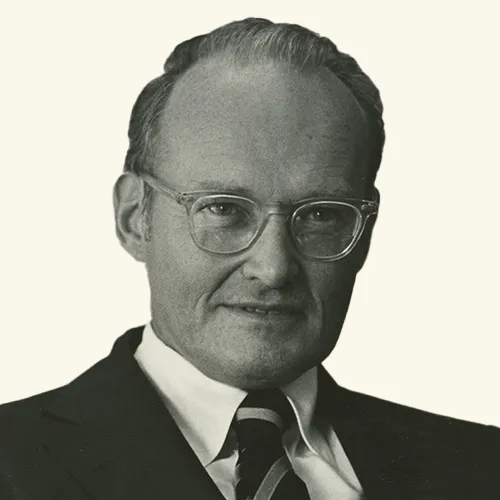
McGeorge Bundy, 1966 – 1979
A former national security adviser, Bundy led the foundation during a period of enormous social change. Major initiatives under his leadership included supporting civil rights organizations, urban redevelopment efforts, the creation of PBS, minority fellowships, US energy policy, women’s organizations, and the launch of microfinance.
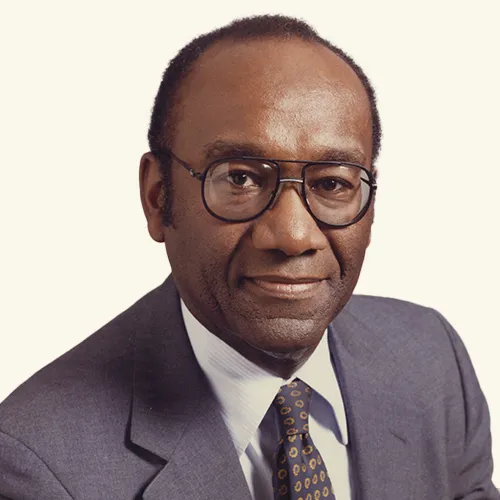
Franklin Thomas, 1979 – 1996
Thomas joined the foundation from the Bedford-Stuyvesant Restoration Corporation, where he was CEO. At Ford, he was deeply involved in anti-apartheid initiatives and led the renewal of the foundation’s work on urban poverty. He was responsible for major investment in human rights organizations, innovations in government, and the establishment of foundation programs in Russia, China, and Vietnam.
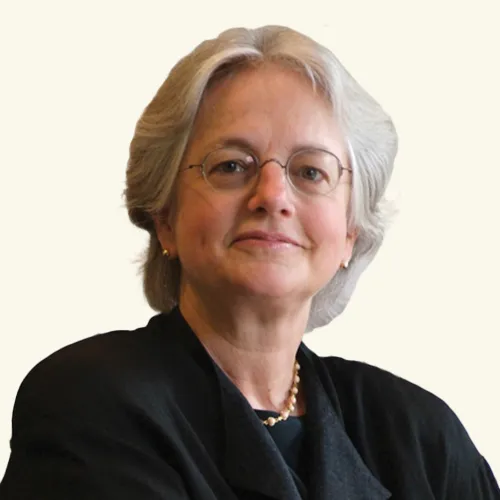
Susan V. Berresford, 1996 – 2007
Over a 38-year career at the foundation Berresford served in many roles, holding the title of executive vice president and chief operating officer before the trustees elected her president. She led the foundation to expand its work on HIV/AIDS, launched a groundbreaking international fellowships program, invested in higher education in Africa, founded a global center on postconflict reconciliation, created major arts programs, supported research and rights in the field of human sexuality, broke ground on affordable mortgages for low-income families, and emphasized excellence in the craft and governance of philanthropy.
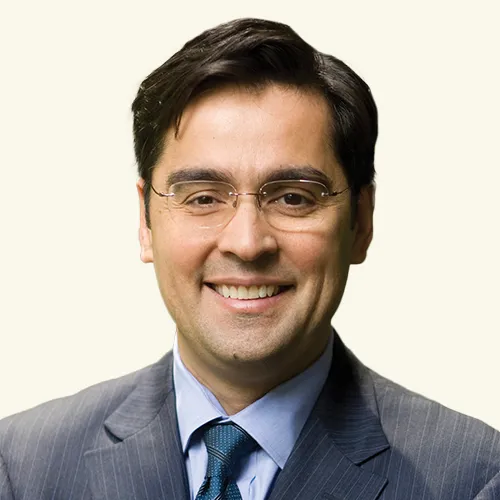
Luis A. Ubiñas, 2008 – 2013
Joining the foundation from McKinsey & Company, Ubiñas led the foundation through the global economic crisis and the overhaul of its investment strategy to protect the institution’s long-term financial health. He also shaped a strategic and focused set of programs and played a key role in launching new work on climate change, child marriage, and a reimagining of the school day. During his tenure, the foundation also supported major new initiatives in global human rights, the arts, market-based approaches to overcoming poverty, and the deepening of democracy around the world.
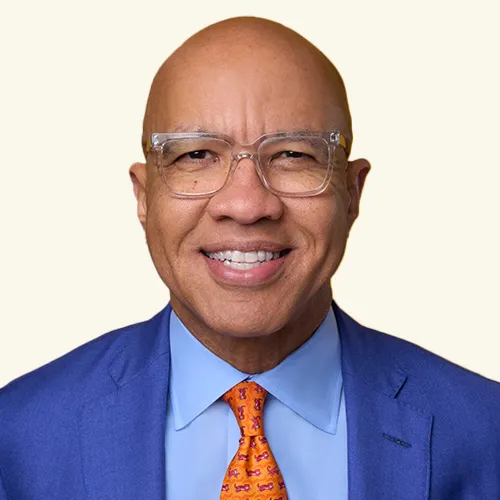
Darren Walker, 2013 – 2025
Before being named president, Walker served as Ford’s vice president for Education, Creativity, and Free Expression and vice president at the Rockefeller Foundation. In his tenure, he reoriented Ford’s global work to focus on combating inequality in all its forms. He led the foundation’s historic $1 billion social bond—the first issued by a U.S. nonprofit—to stabilize organizations during the COVID-19 pandemic and launched the Building Institutions and Networks program to strengthen and better sustain nonprofit organizations. He spearheaded the Mission Investments initiative, co-created the Art for Justice Fund, and established Ford’s Disability Rights and Tech and Society programs. See stories written by Walker and news about him.
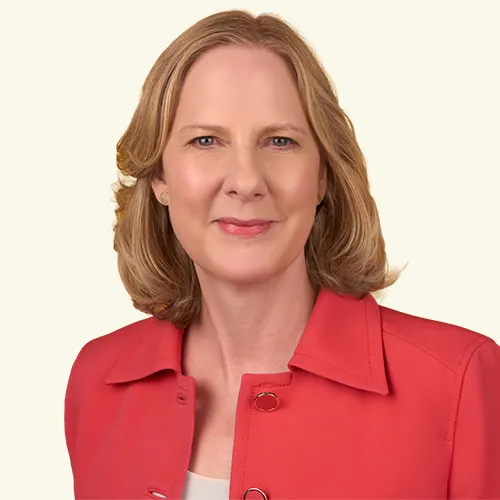
Heather Gerken, 2025 –
Heather Gerken is the 11th president of the Ford Foundation. A nationally recognized expert on democracy, federalism, and elections, Gerken has spent her career working on bipartisan efforts to protect the rule of law. Her work has focused on reforming the election system and fostering bipartisan collaboration to protect democratic institutions. She has litigated voting rights cases, testified before Congress, and served in leadership roles on the American Bar Association’s Task Force for American Democracy and the Bipartisan Policy Center’s Commission on Political Reform. Her proposal for a “Democracy Index” inspired the Pew Charitable Trusts’ creation of the nation’s first Election Performance Index. In 2026, TIME magazine recognized Gerken in both its TIME100 list of the most influential people in the world and its TIME100 Philanthropy list of figures shaping the future of giving. Before joining the Ford Foundation, Gerken served as dean of Yale Law School—the first woman to hold the position in the school’s history—where she expanded access for veterans, low-income students, and first-generation students, and championed initiatives to strengthen academic freedom and free expression. See her full biography and read more from President Gerken.