
History
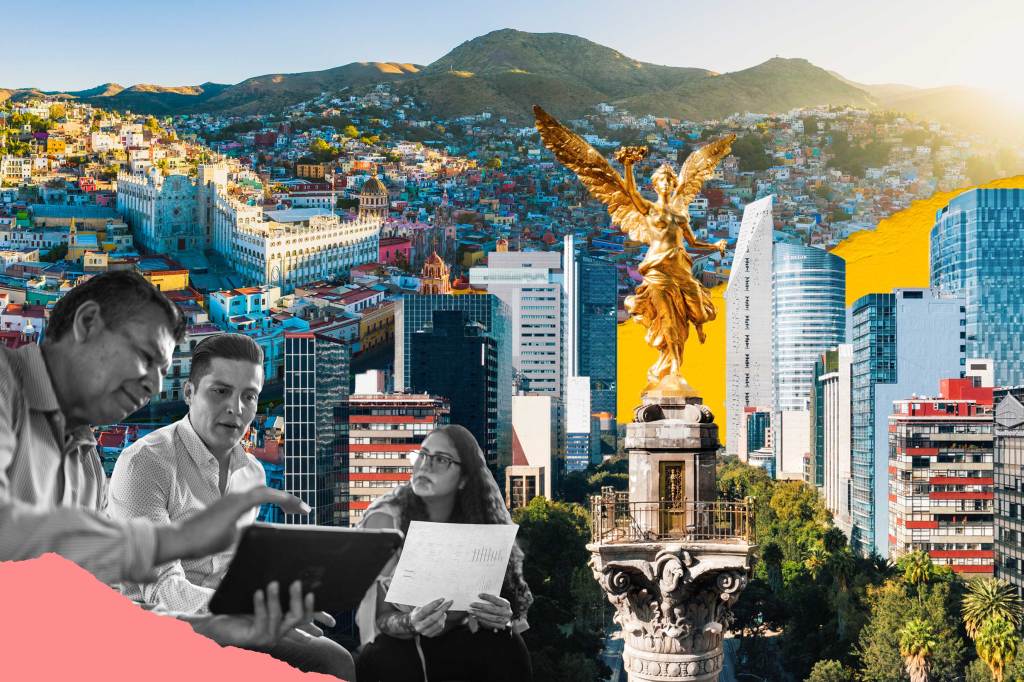
Beginning in 1962, when our office in Mexico City was established, the foundation worked to expand access to higher education for new generations of leaders, including people from indigenous communities. We helped establish lasting institutions, which have contributed to the advancement of a variety of social justice agendas.
Over the years, economic opportunity was a major priority. We provided early and ongoing support for microfinance, community-based rural development, and financial services for low-income people. The foundation’s work helped strengthen civil society in the region, bolstering local organizations and giving people a say in decisions that shape their lives, making governments more accountable to the people they serve.
In recent decades, our grantmaking has focused on migration and social exclusion. We have supported leaders and organizations that use a variety of approaches to address these issues, from research and policy analysis to advocacy and litigation, from testing new programs to building the capacity of existing ones. They have worked across borders throughout the region to nurture strong regional alliances and foster collaborations between governments, academic institutions, and civil society organizations—leading to unprecedented partnerships between migrant rights advocates in Mexico and the United States and to improved livelihoods in rural and indigenous areas in the region.